Statics of an Egg

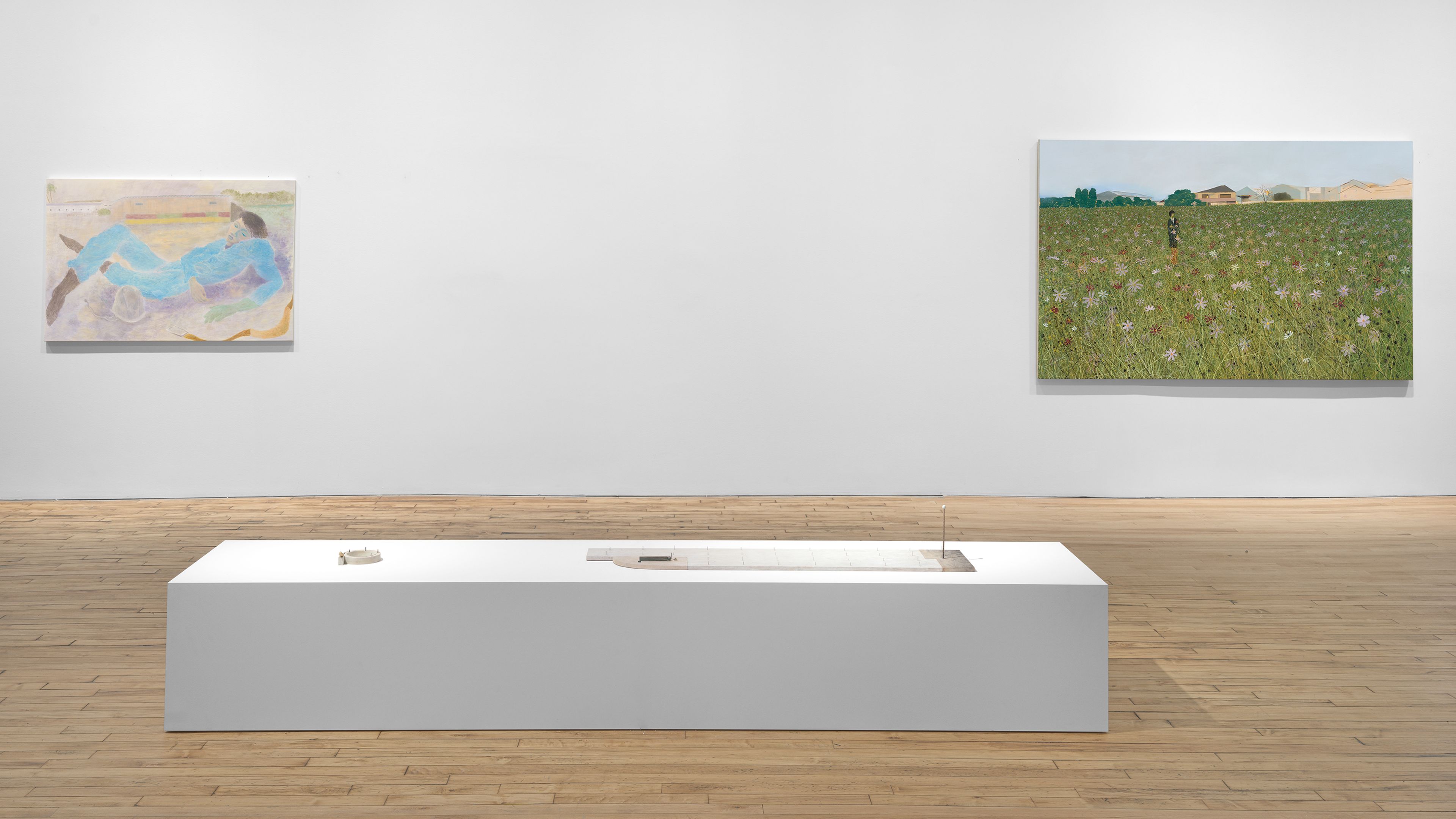
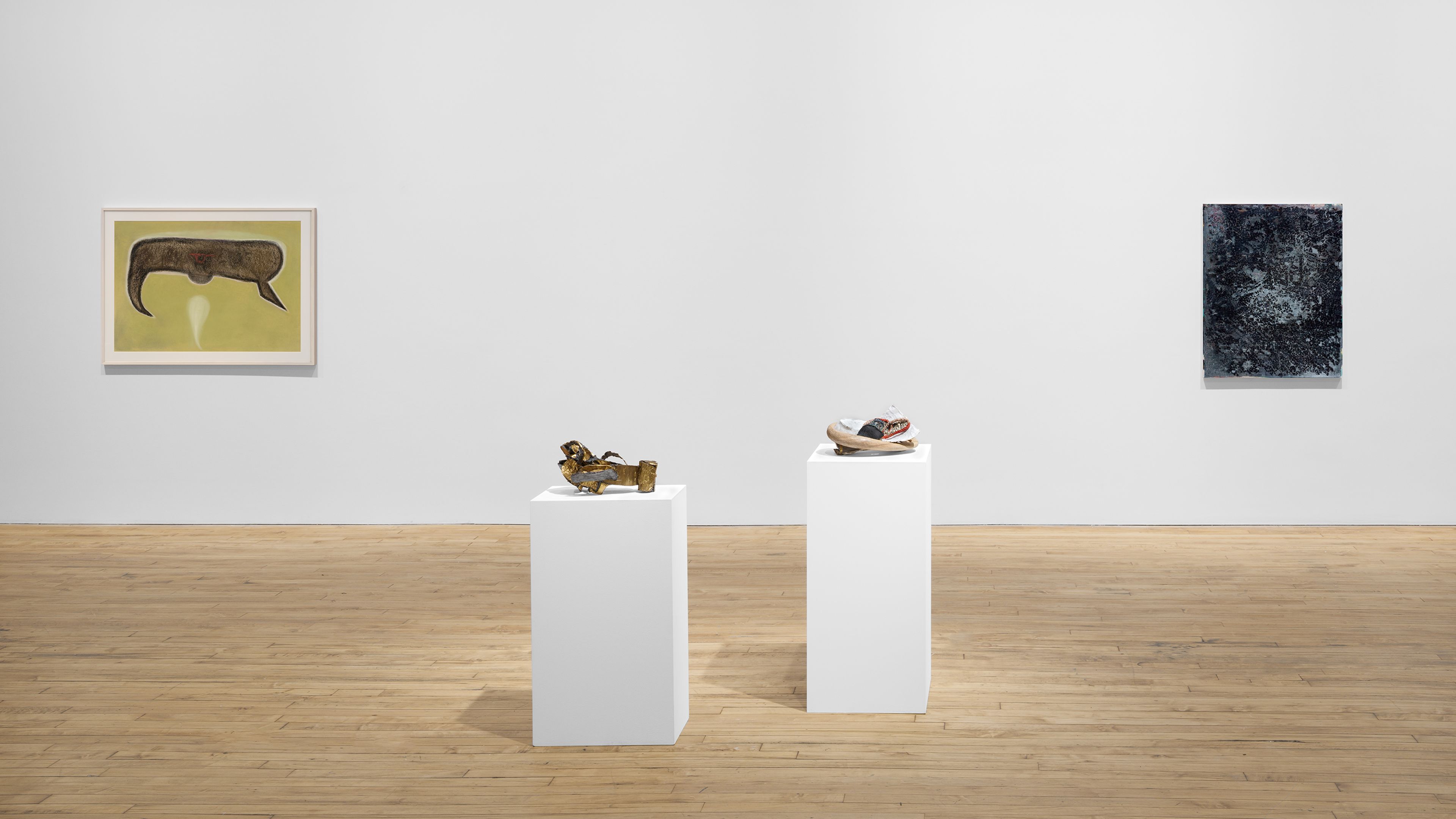
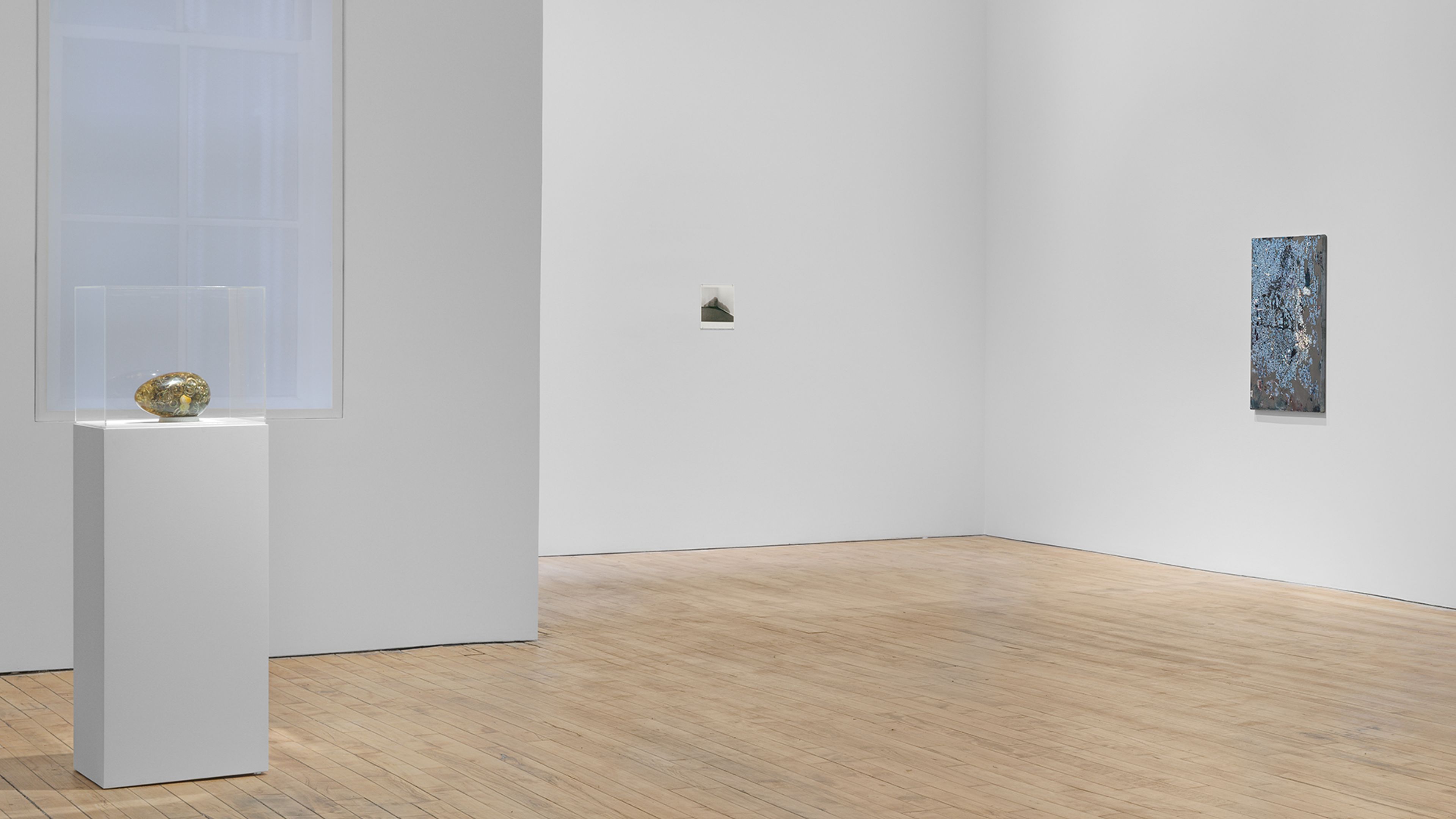
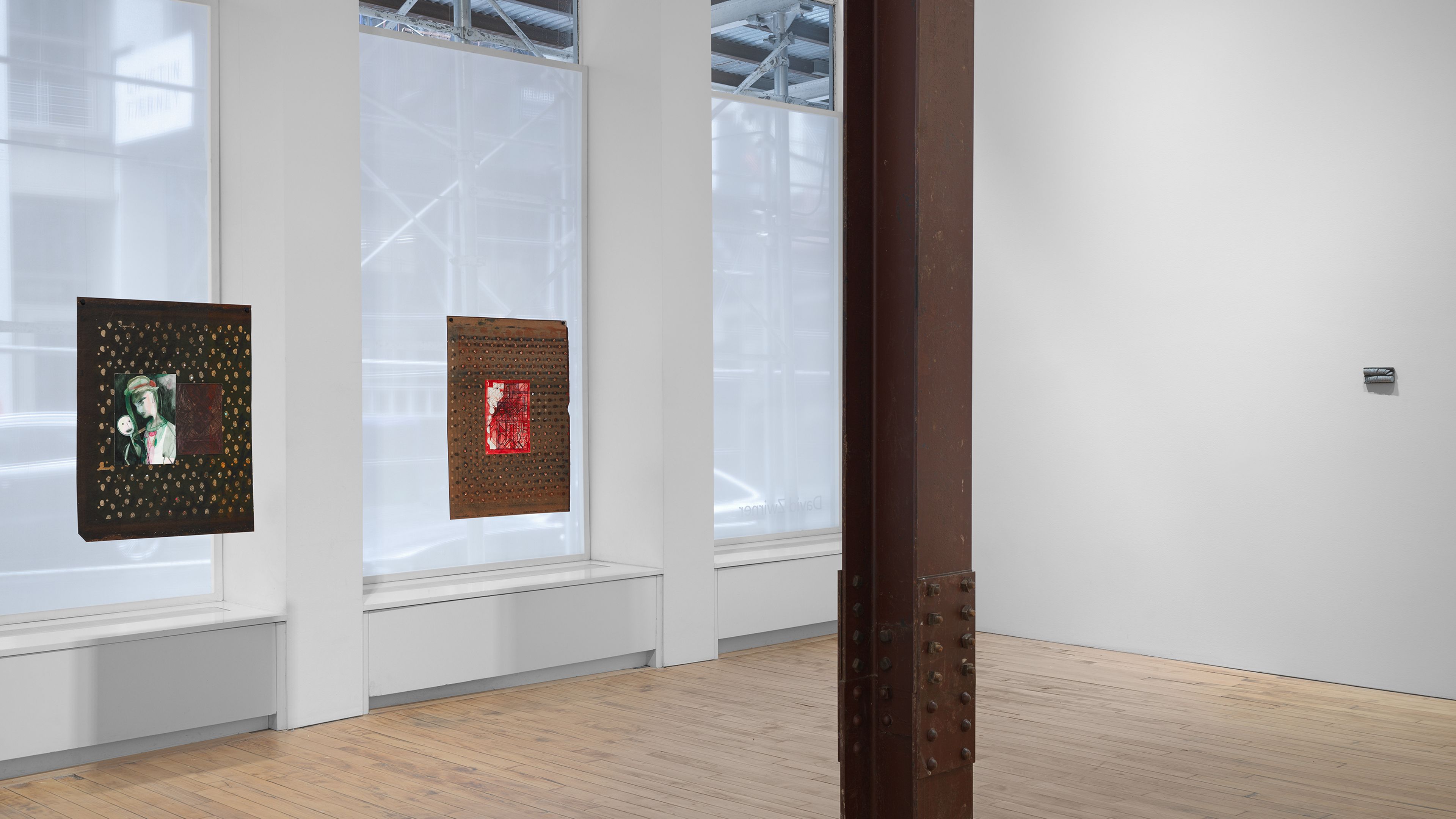
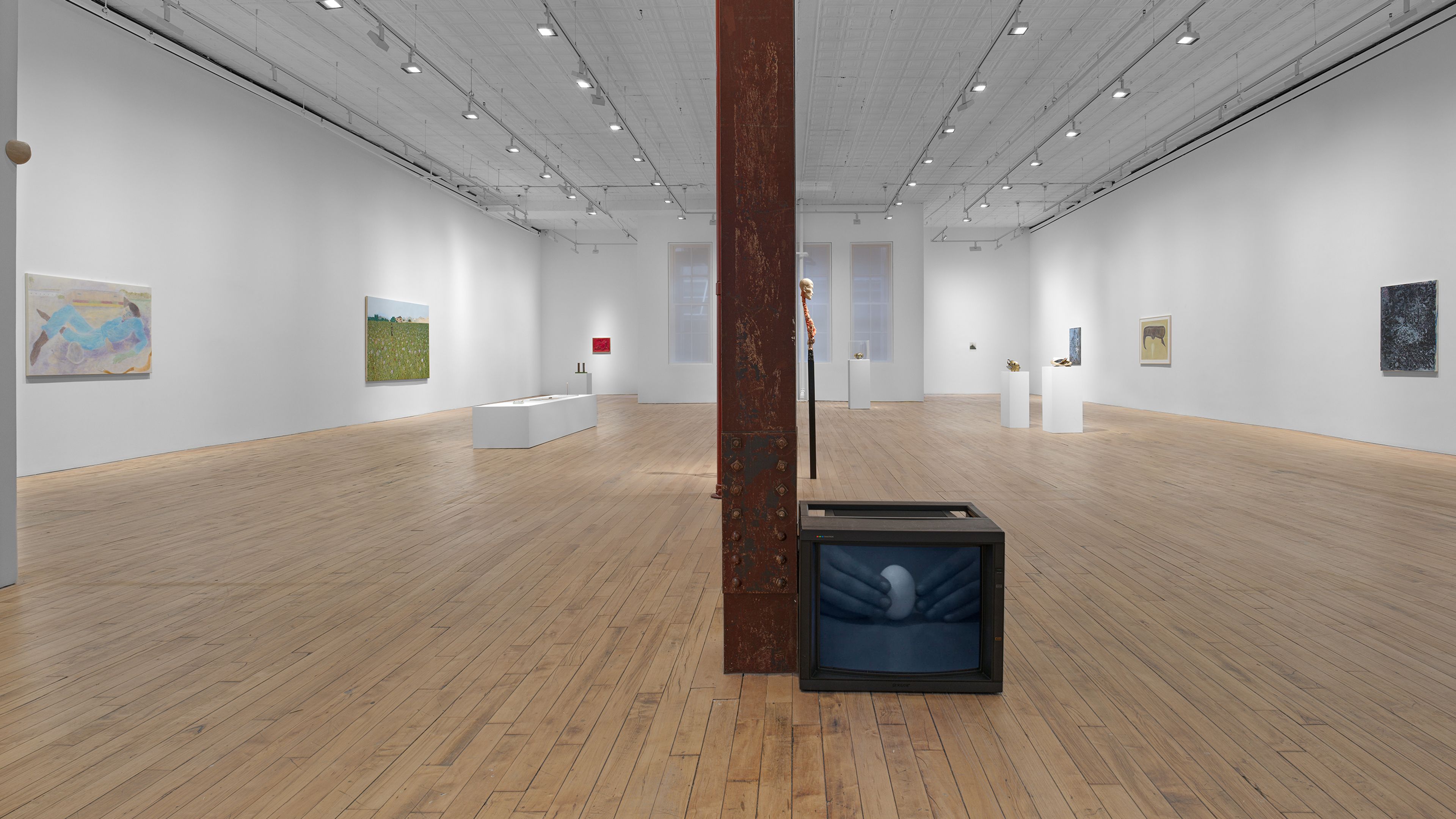
Installation view, Statics of an Egg, David Zwirner, New York, 2026
Now Open

May 8—June 27, 2026

Opening Reception

Friday, May 8, 6–8 PM

Location

New York: Walker Street

52 Walker Street

New York, New York 10013

Tue, Wed, Thu, Fri, Sat: 10 AM-6 PM

Artists

  • Ryoko Aoki

  • Masaya Chiba

  • Miho Dohi

  • Koji Enokura

  • Daisuke Fukunaga

  • Kenji Ide

  • Soshiro Matsubara

  • Yutaka Matsuzawa

  • Natsuyuki Nakanishi

  • Fujiko Nakaya

  • Yu Nishimura
  • Hikari Ono

  • Reina Sugihara

  • Masanori Tomita

  • Isamu Wakabayashi

David Zwirner is pleased to present Statics of an Egg, an exhibition bringing together a selection of multimedia work by a group of Japanese-born artists, along with contributions from an earlier generation of pioneering artists whose practices have influenced and inspired these contemporary figures. Curated by Martin Germann, the exhibition features new and recent work by Ryoko Aoki, Masaya Chiba, Miho Dohi, Daisuke Fukunaga, Kenji Ide, Soshiro Matsubara, Yu Nishimura, Hikari Ono, Reina Sugihara, and Masanori Tomita. Interspersed throughout the presentation are works spanning the 1950s to the 1990s by Koji Enokura, Yutaka Matsuzawa, Natsuyuki Nakanishi, Fujiko Nakaya, and Isamu Wakabayashi. Statics of an Egg features a network of artistic peers—gathered by Nishimura and Ide in collaboration with Germann—who all share a deep-seated commitment to the exploration of material and formal realms where ideas condensate, structures unfold, and perception expands into liminal and uncharted territory.

The concept of gravity surfaces as a central theme in the exhibition: as a universal physical force shaping the behavior of matter in space; as a particular psychological weight marking the pull of memory, opacity, and shadow; and as a cultural touchstone connecting artistic practices across time, from the rapid economic changes of postwar Japan to the nation’s sociopolitical realities today. Here, influence operates less as a linear narrative than as a form of attraction—a gravitational pull that engenders a shared attentiveness to how things fall, accumulate, resist, and decay, thus allowing for an open-ended exploration of balance, atmosphere, and materiality. 

Explore

Explore All Works

The show takes its title and conceptual point of departure from the film Statics of an Egg (1973) by video and conceptual art pioneer Fujiko Nakaya. The work relates to an essay written by the artist’s father, the physicist Ukichiro Nakaya, refuting the traditional East Asian folk belief that eggs can only be made to stand upright on the first day of spring. In the film, the artist’s hands are shown repeatedly attempting to balance an egg on a flat surface, with slight adjustments to angle, pressure, and point of contact each time—making gravity visible as a condition negotiated by the body through repetition, subtle humor, and sustained contemplation.

Installation view, Statics of an Egg, David Zwirner, New York, 2026
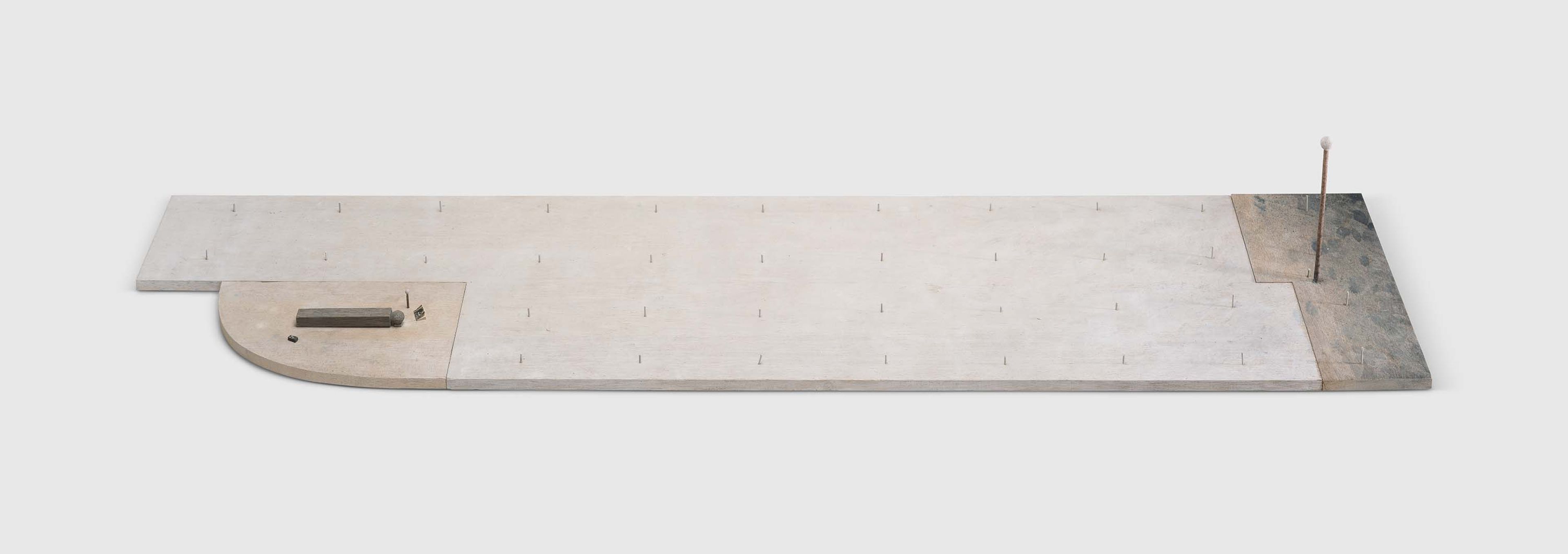
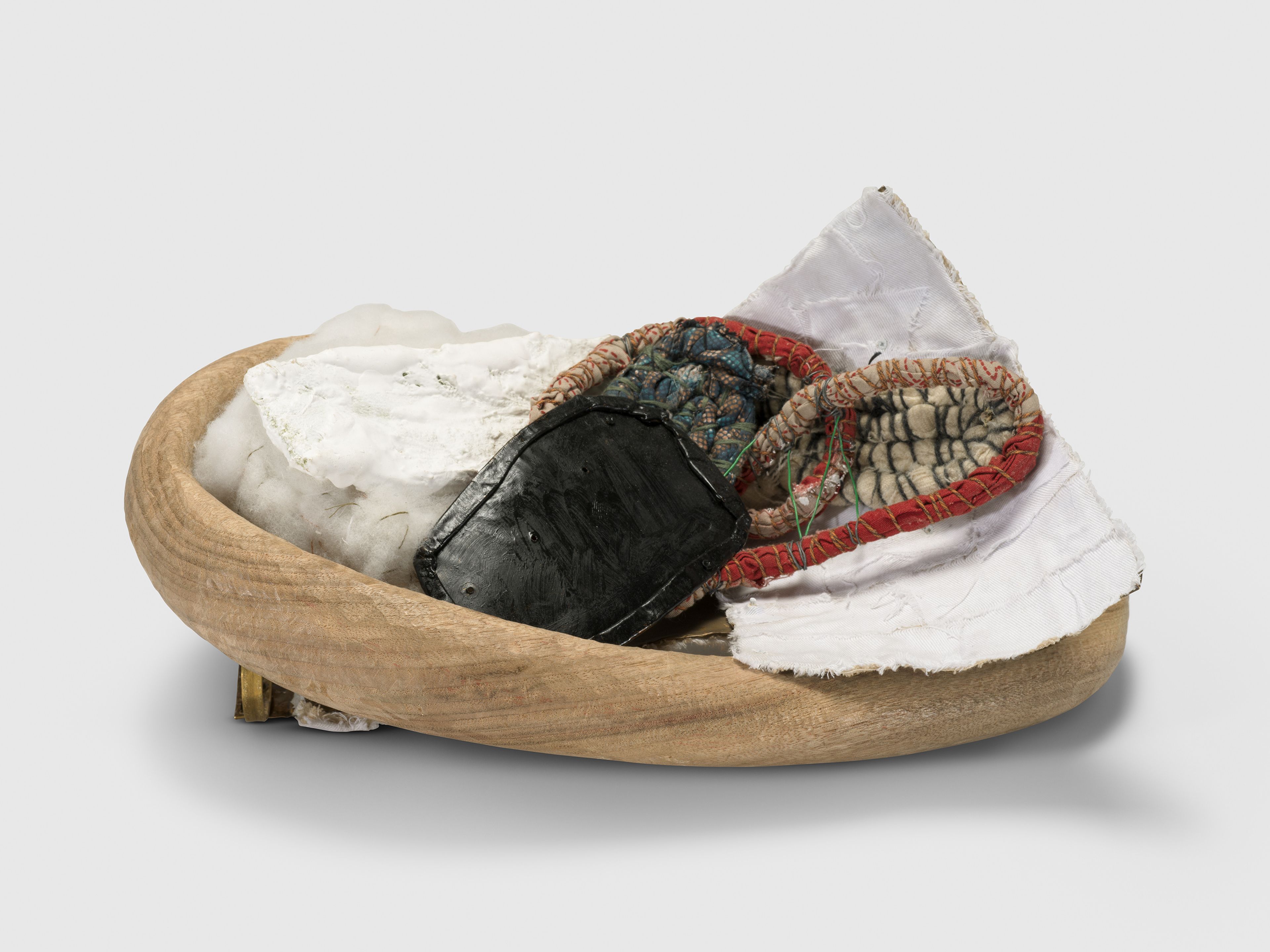
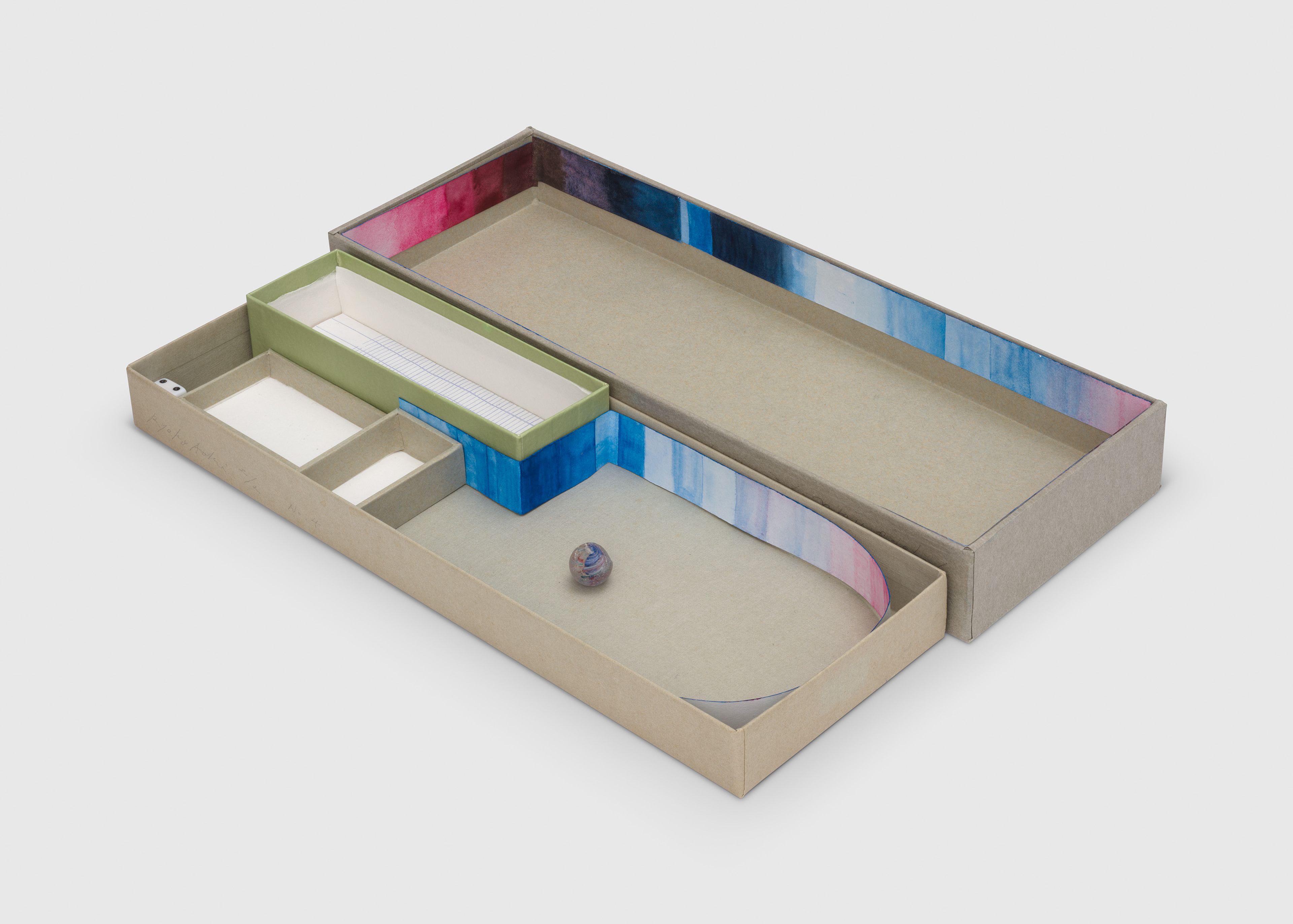
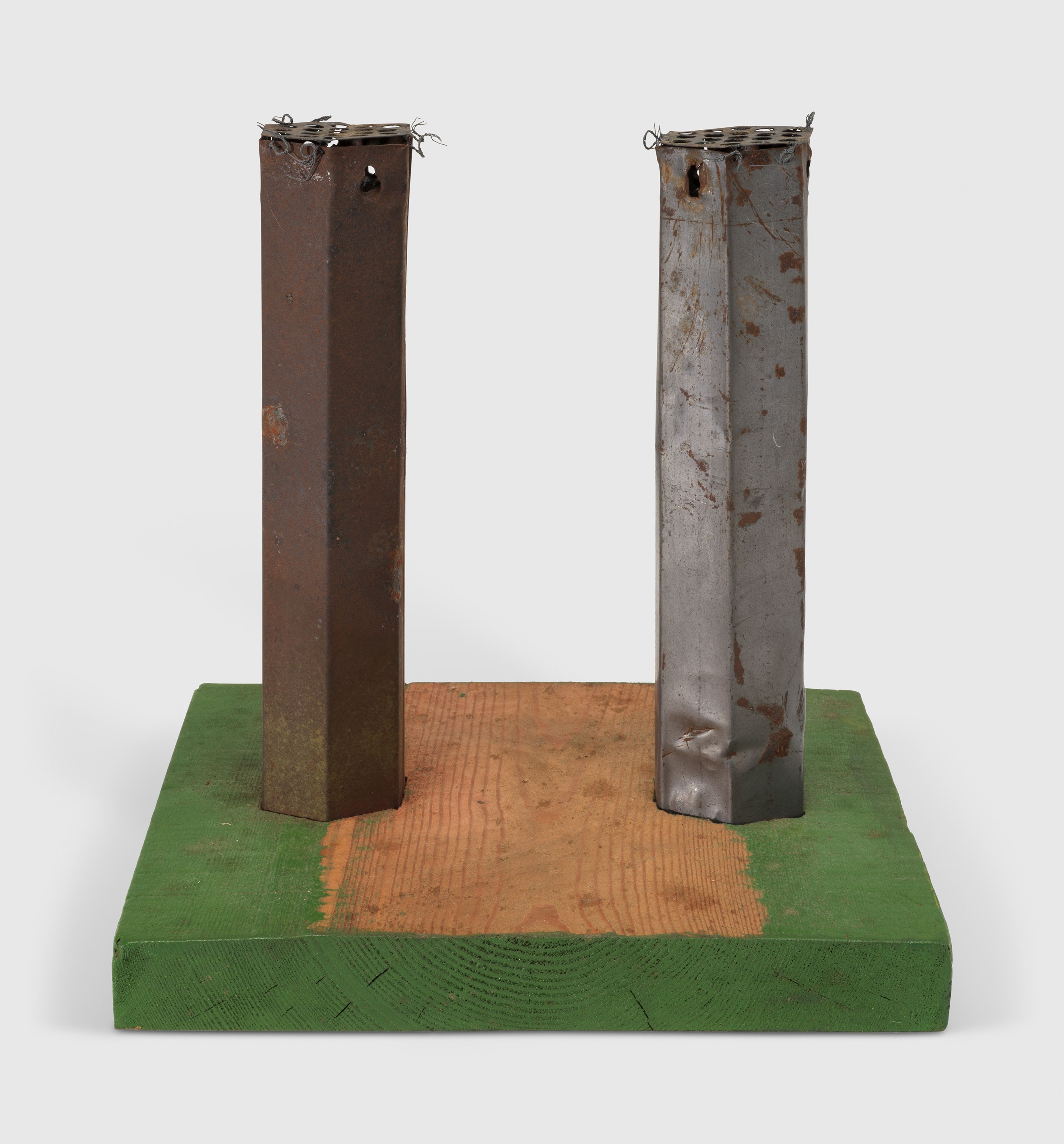
The gravity of personal memory hovers through Kenji Ide’s carefully constructed architectural arrangements. The fleeting nature of memory provides a structural logic to these poetic compositions, which Ide deliberately calls objects rather than sculptures; his work does not directly represent the past so much as make the viewer aware of its weight and duration, and of what it means for physical matter and psychological experience to persist—and become altered—through the passage of time.

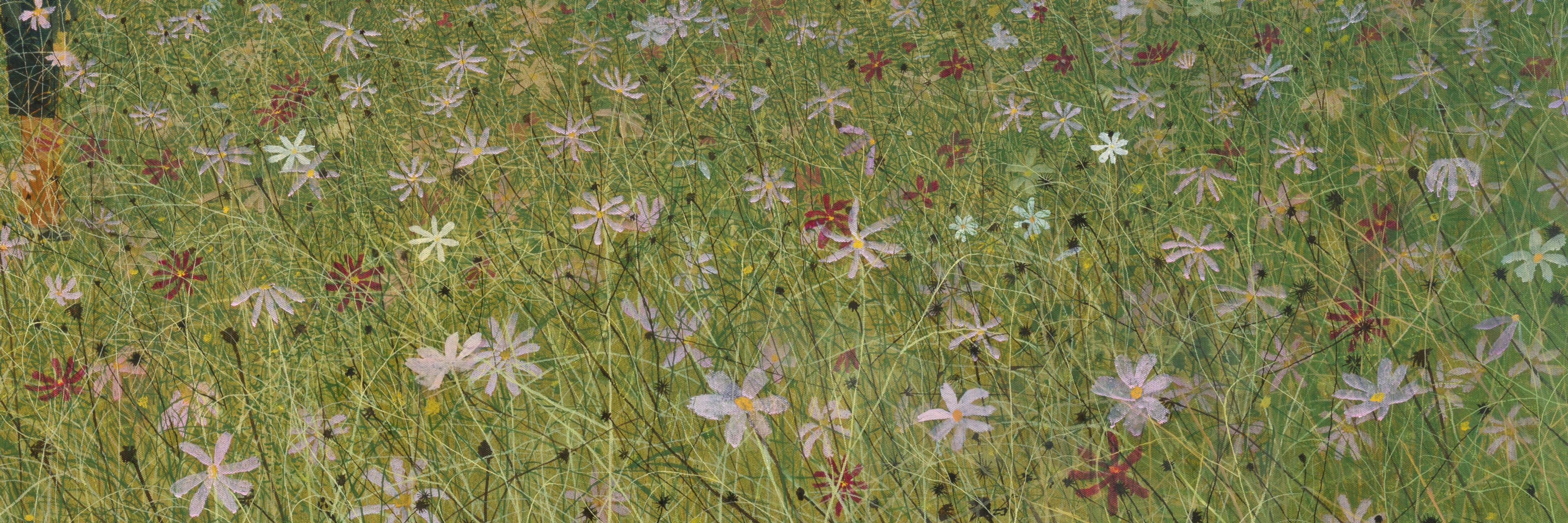
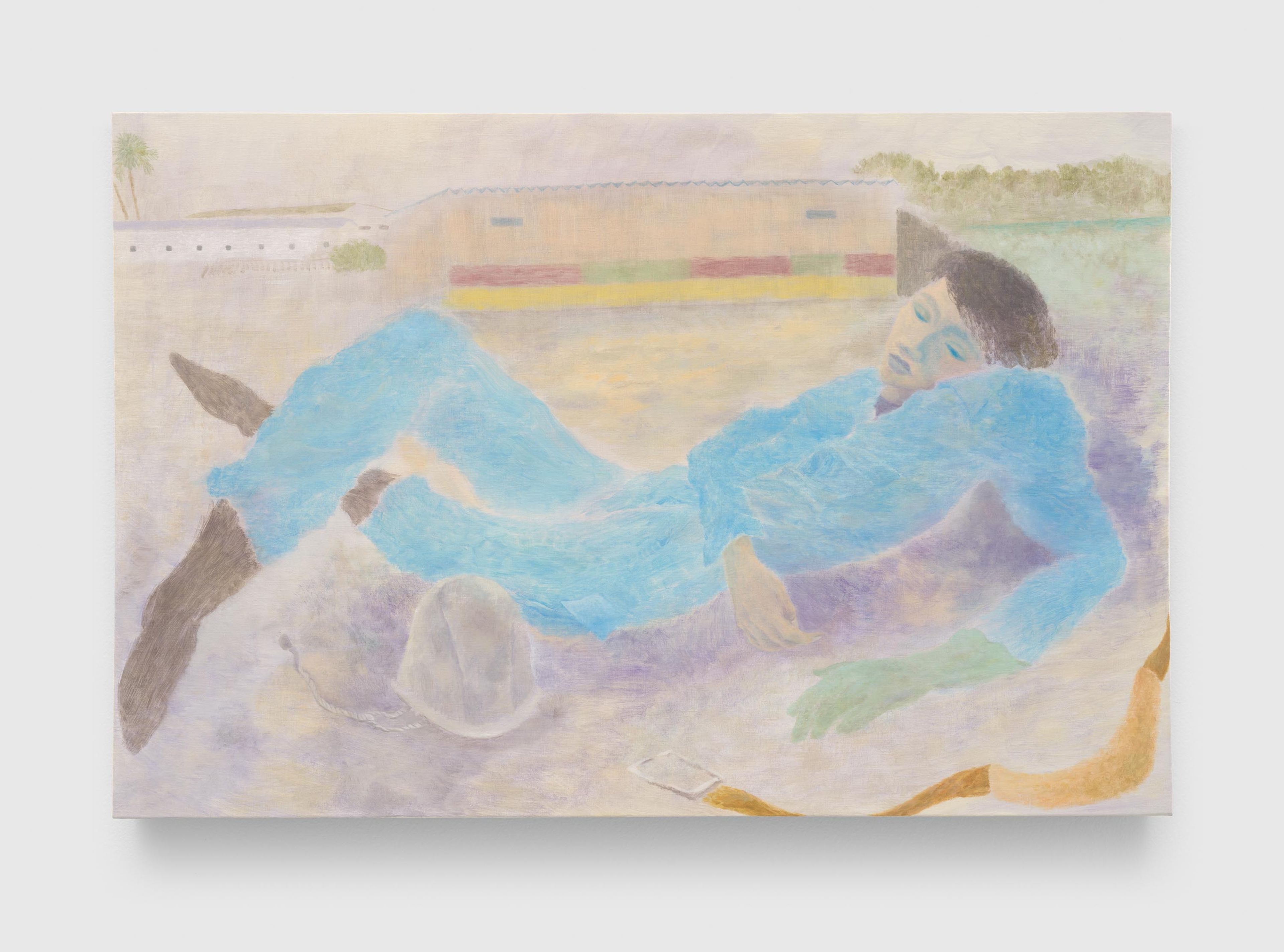
Daisuke Fukunaga’s paintings imbue scenes from modern life that are often overlooked, such as objects in back alleys and uniformed workers in repose, with a quiet reverence and introspection. Working from sketches and his memory, Fukunaga reconstructs these scenes with softened edges and diffused colors; his compositions blend disparate details and moments, materializing the hazy quality of human recollection.


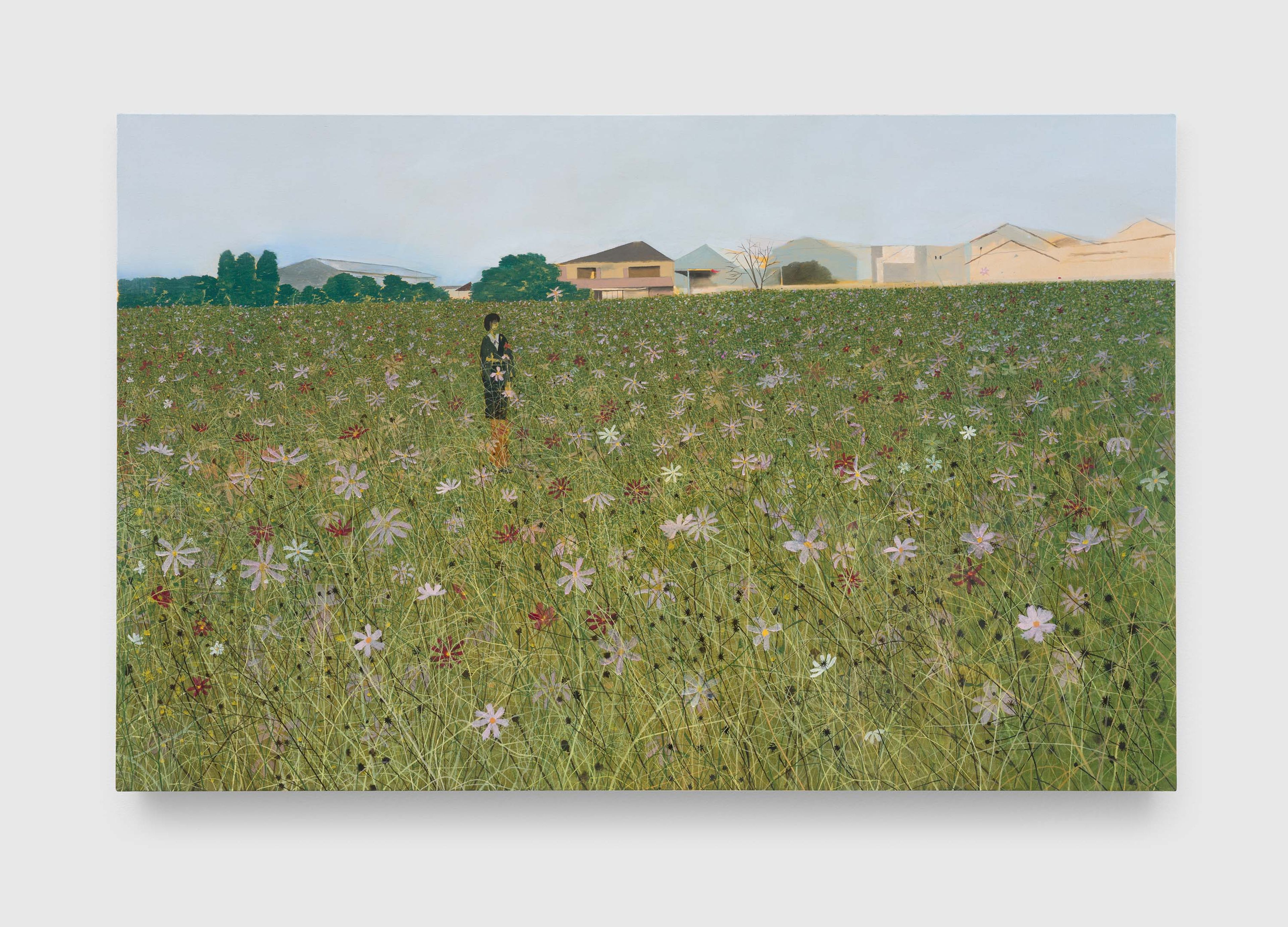
Yu Nishimura’s atmospheric portraits, landscapes, and genre scenes extend this sensibility into another register. Combining traditional oil and tempera techniques with impulses borrowed from postwar photography, his work collapses Western genres and frameworks of painting into a cinematographic field of touch. Marked by a spare yet multilayered compositional approach, Nishimura’s practice espouses what his colleague Soshiro Matsubara calls a “quantum-technological” sensibility: that of an artist who came of age in the digital era.

Japanese artist Isamu Wakabayashi (1936-2003) used austere, open-ended forms to explore the durational and ephemeral relationship between humans, objects, and the natural world. Central to Wakabayashi’s oeuvre is “oscillating scale,” or the idea that the systems of measurement by which an individual relates to the world around them is constantly in flux—a notion the artist famously likened to the image of flying leaves lifted by the wind.
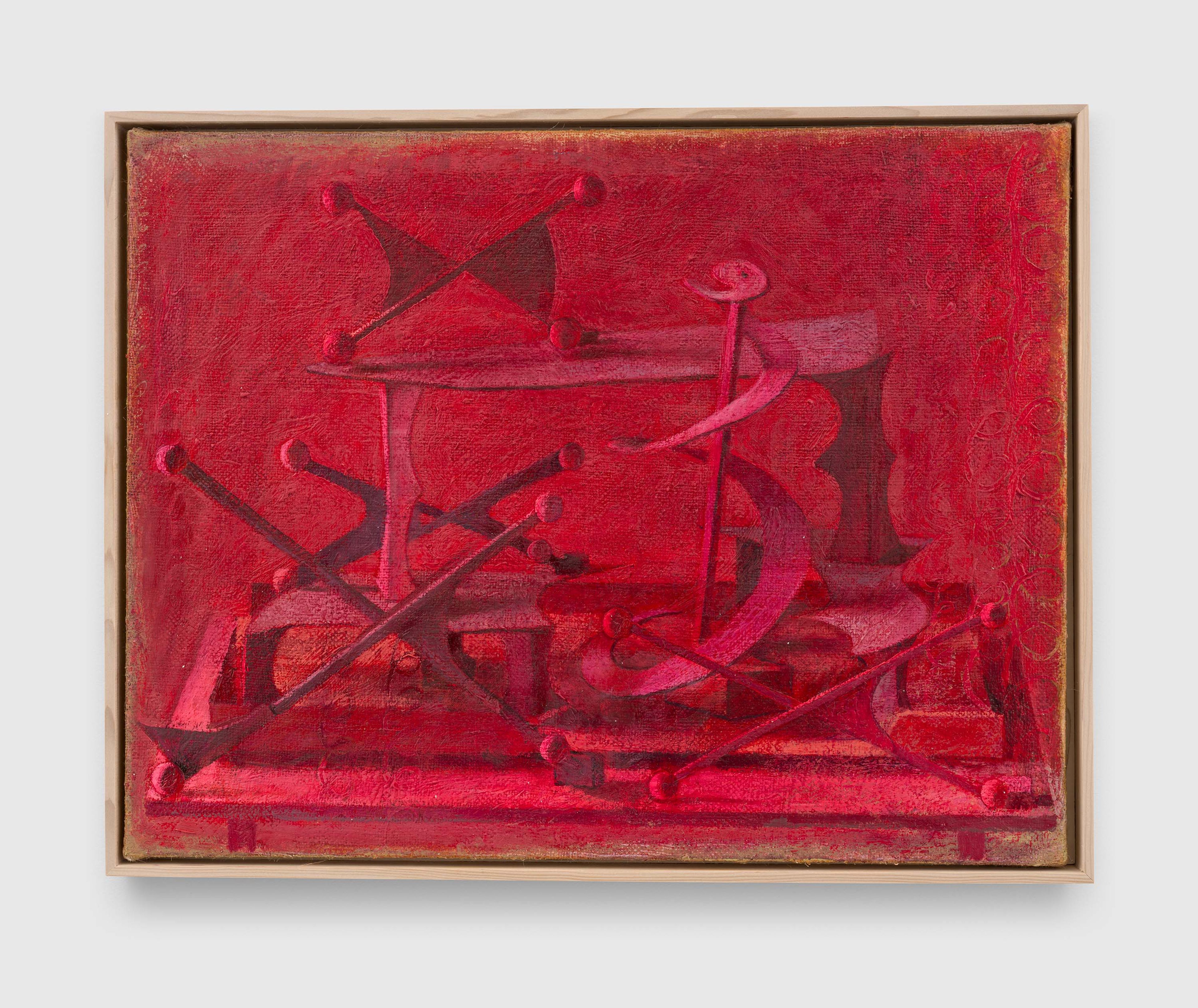
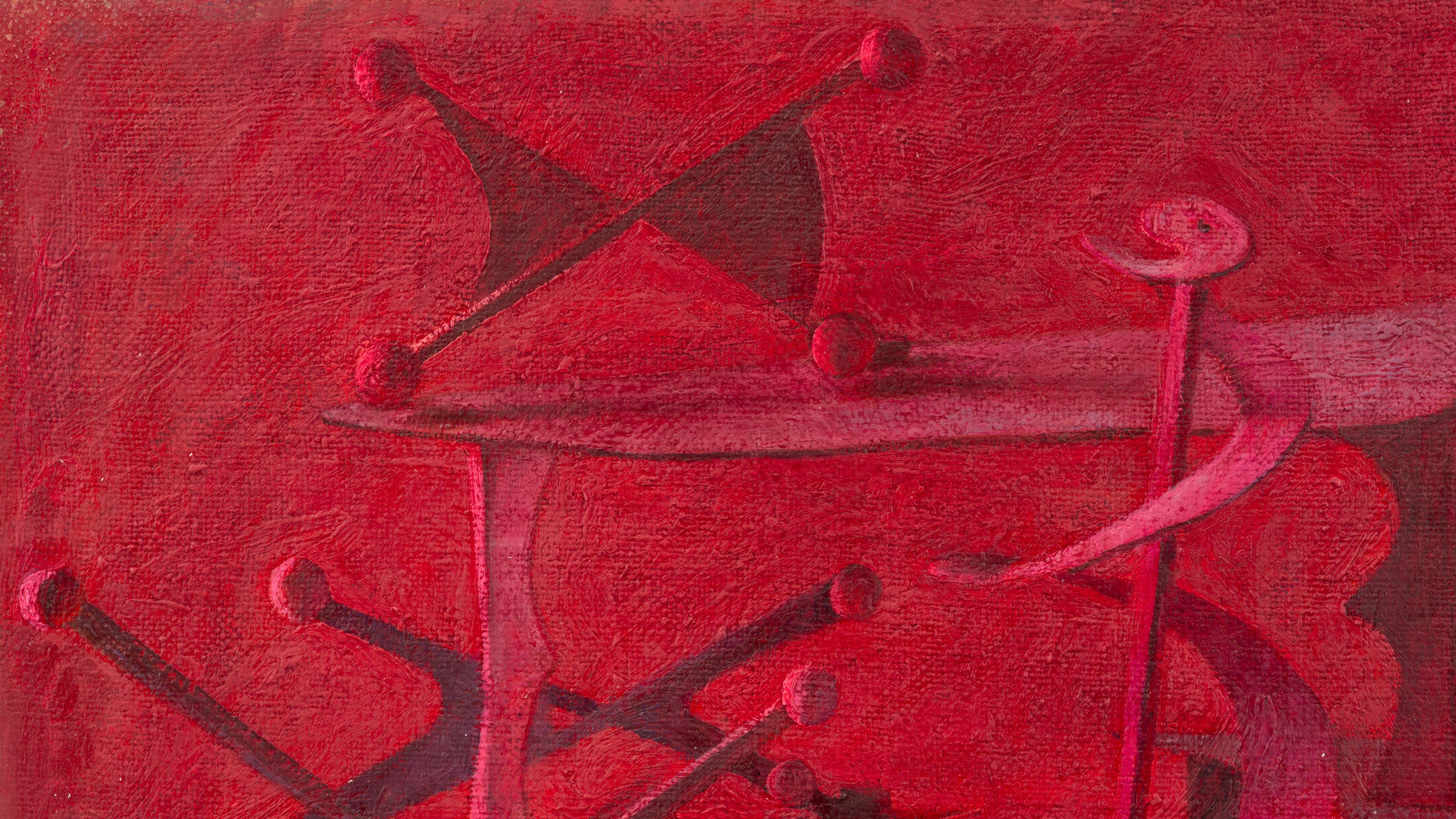
  Masaya Chiba’s practice centers on the still-life: he begins each work by constructing assemblages of collected readymade and handmade objects that he then transposes onto canvas, rendering these intricate tabletop tableaux in oil paint with technical prowess. The resulting works appear as collections of abstract structures arranged on a flat surface and deliberately removed from all context.


Masaya Chiba, Painting & Vegetable #29 (In the Blood #2), 2026 (detail)

Installation view, Statics of an Egg, David Zwirner, New York, 2026
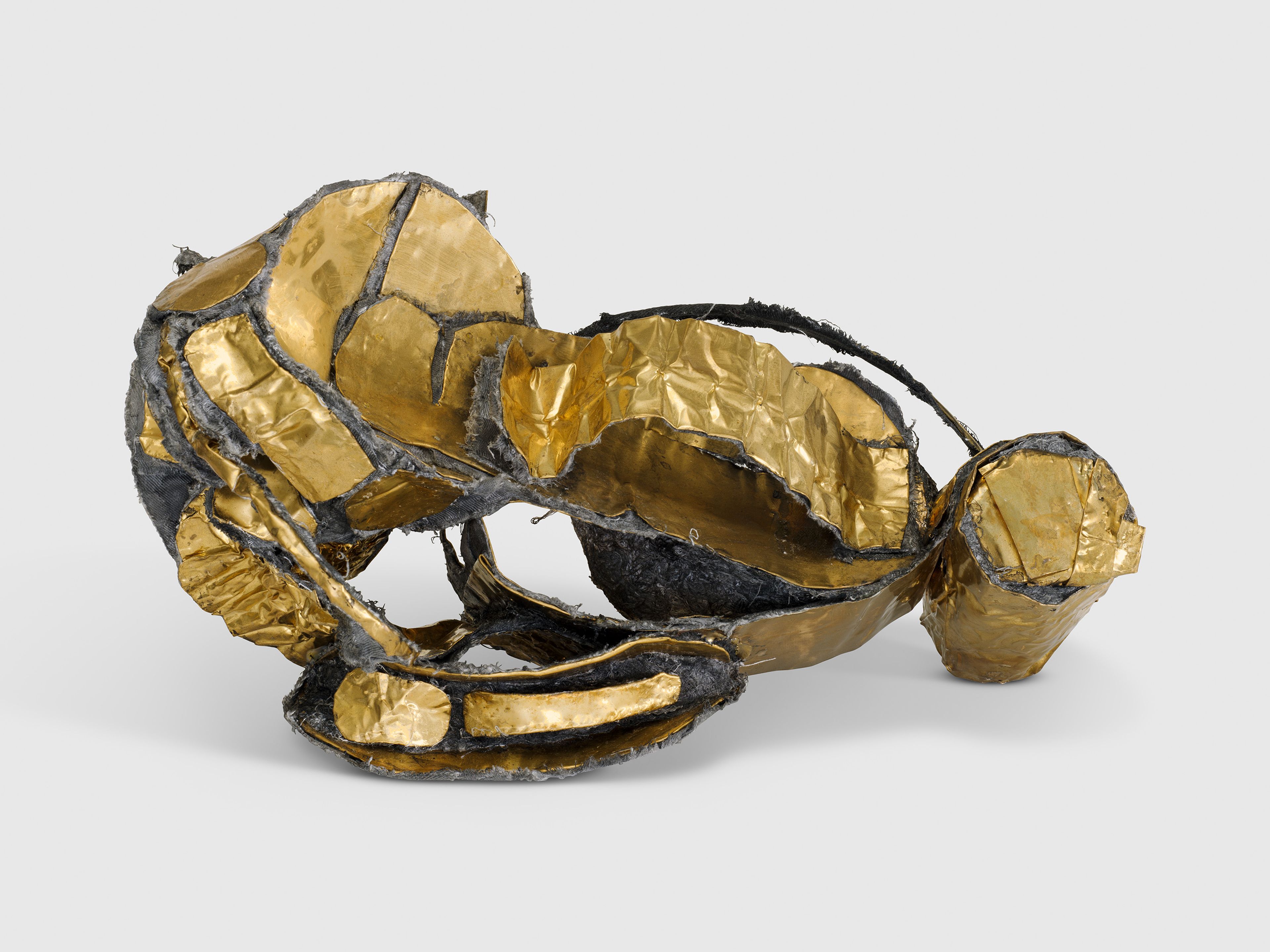
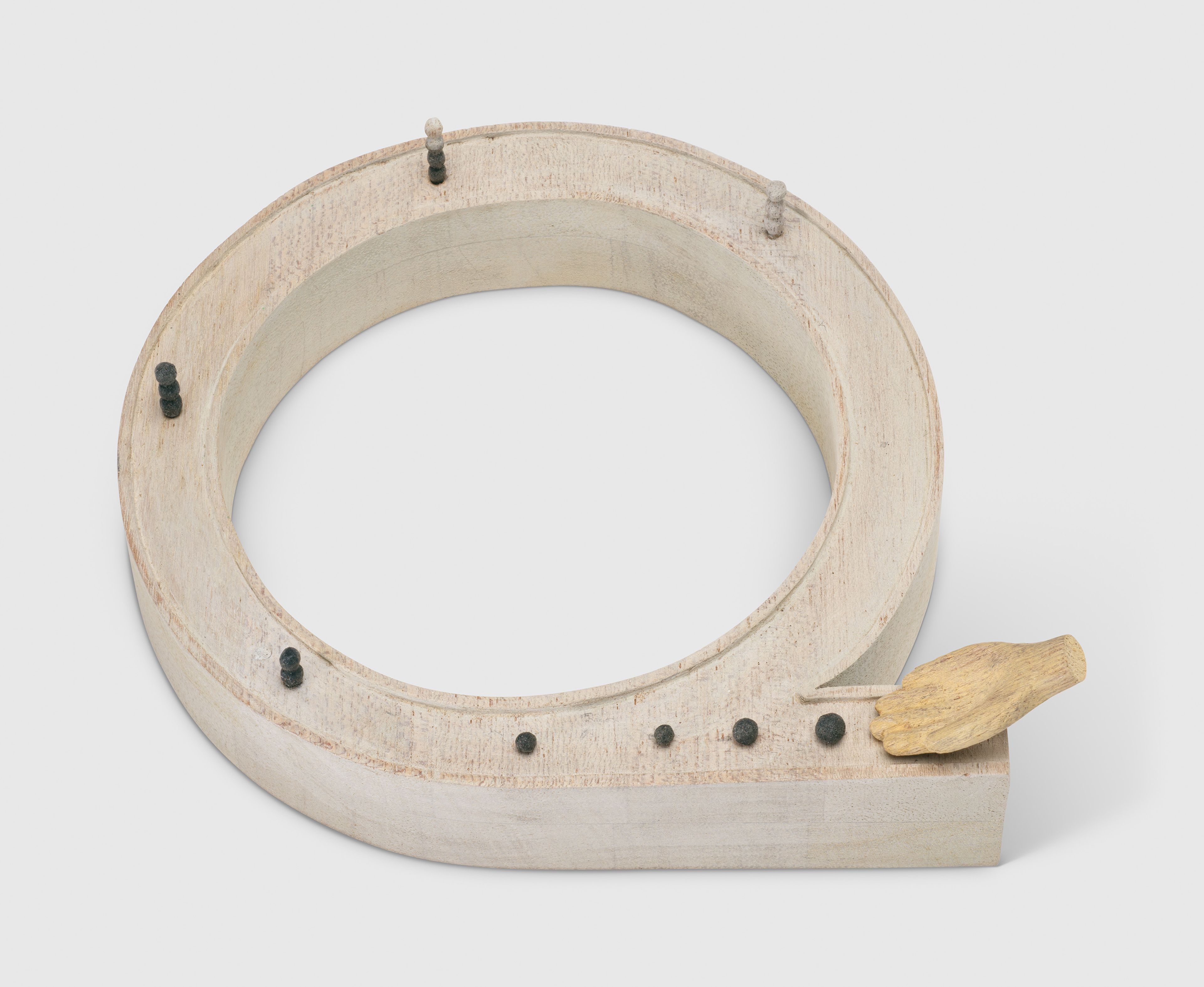
Miho Dohi is best known for her buttai sculptures, which she began creating in 2008. Amalgamated from collections of common objects, these sculptures are transfigured into kinetic forms through intuitive acts of stitching, bending, carving, and painting. As the artist herself puts it, “All of my works are ‘objects’ and ‘bodies’. … A ‘thing’ that also has an element of ‘body’ which involves movement.”

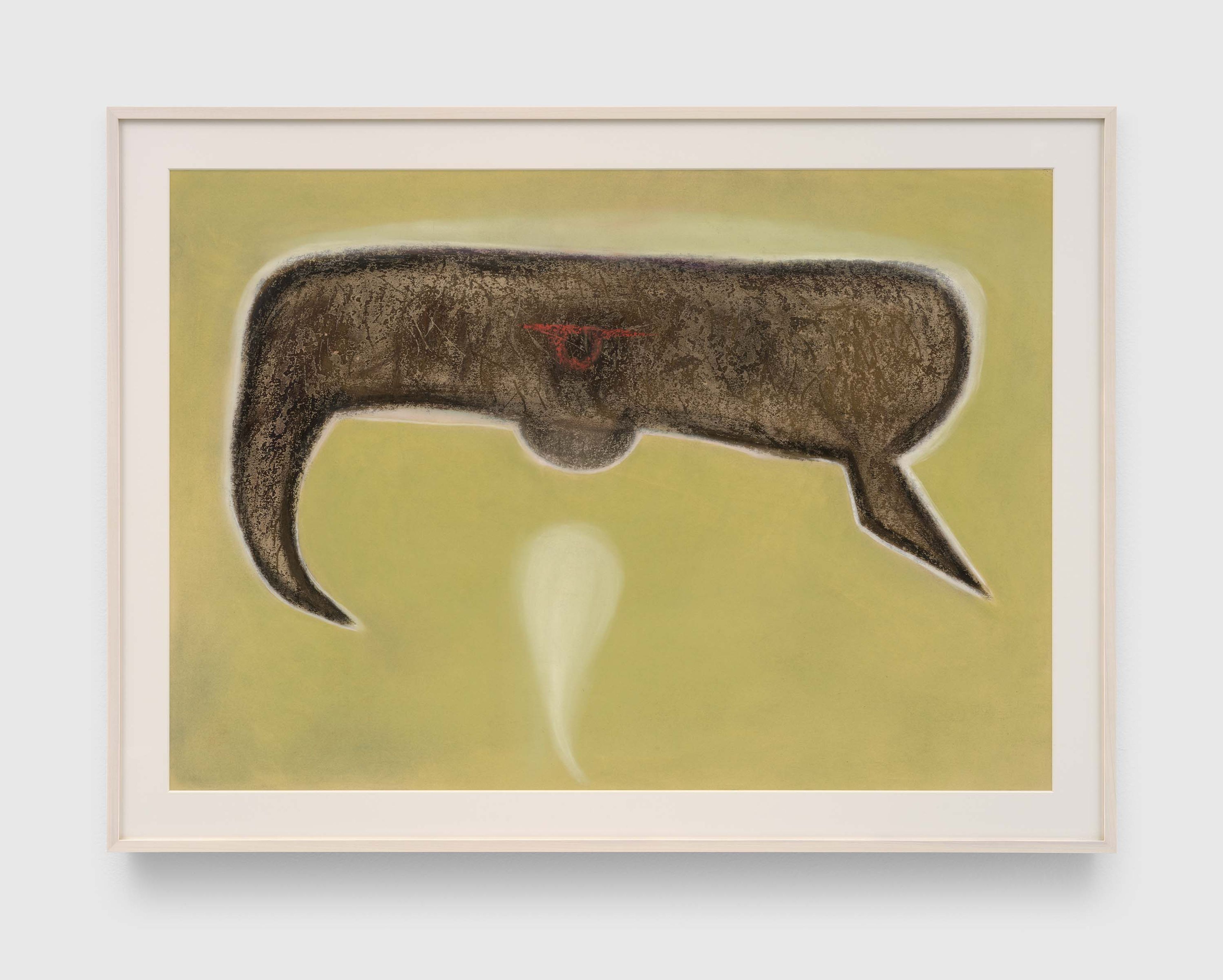
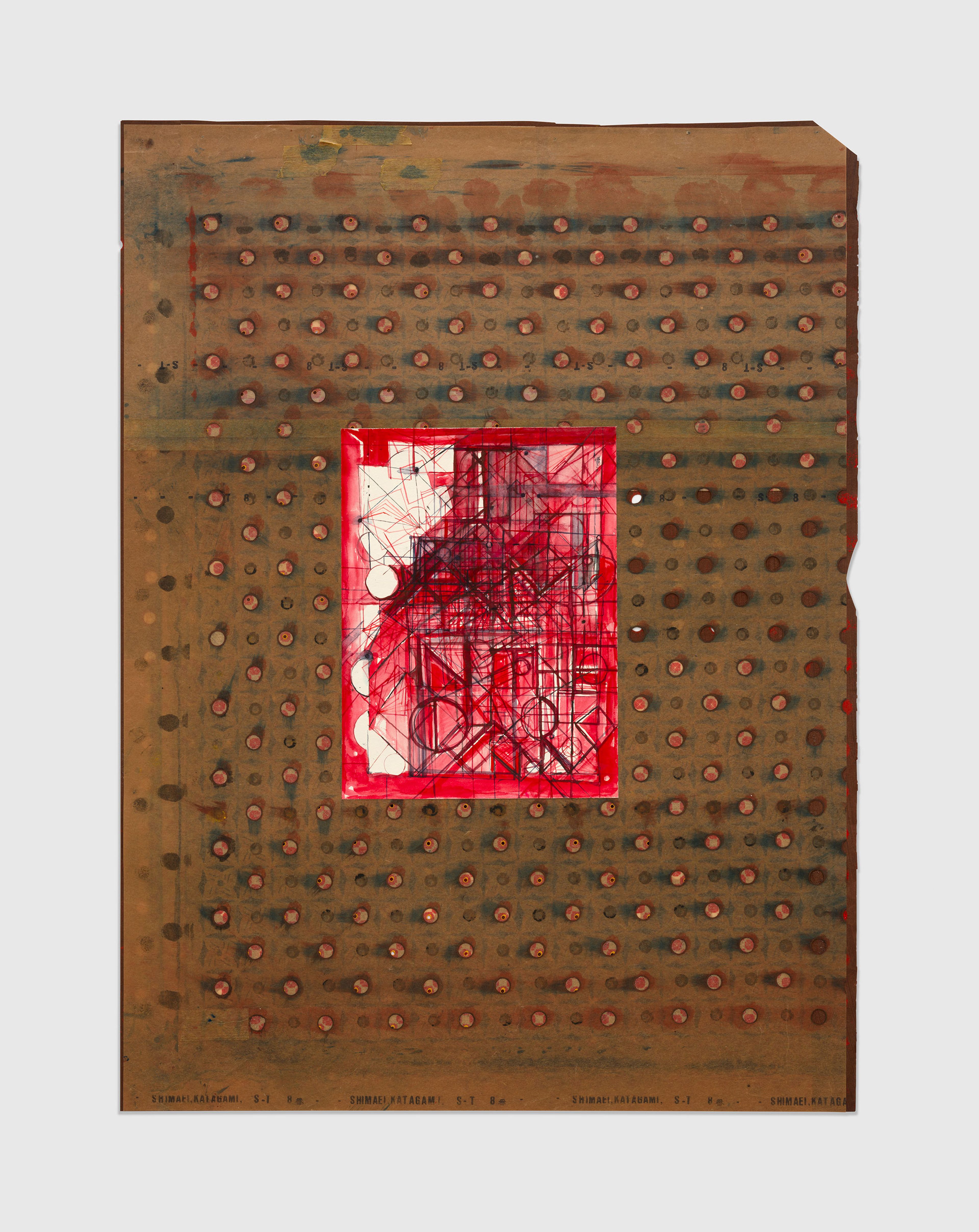
A pioneer of conceptual art in Japan, Yutaka Matsuzawa (1922–2006) is known for his installations and works on paper that meld diverse knowledge systems—such as Pure Land Buddhism, quantum physics, and parapsychology—and center on notions of invisibility and immateriality. Featuring unorthodox materials such as wax, ash, and charcoal, the work exemplifies the artist’s nascent experimentations with form, material, and hue.

Installation view, Statics of an Egg, David Zwirner, New York, 2026
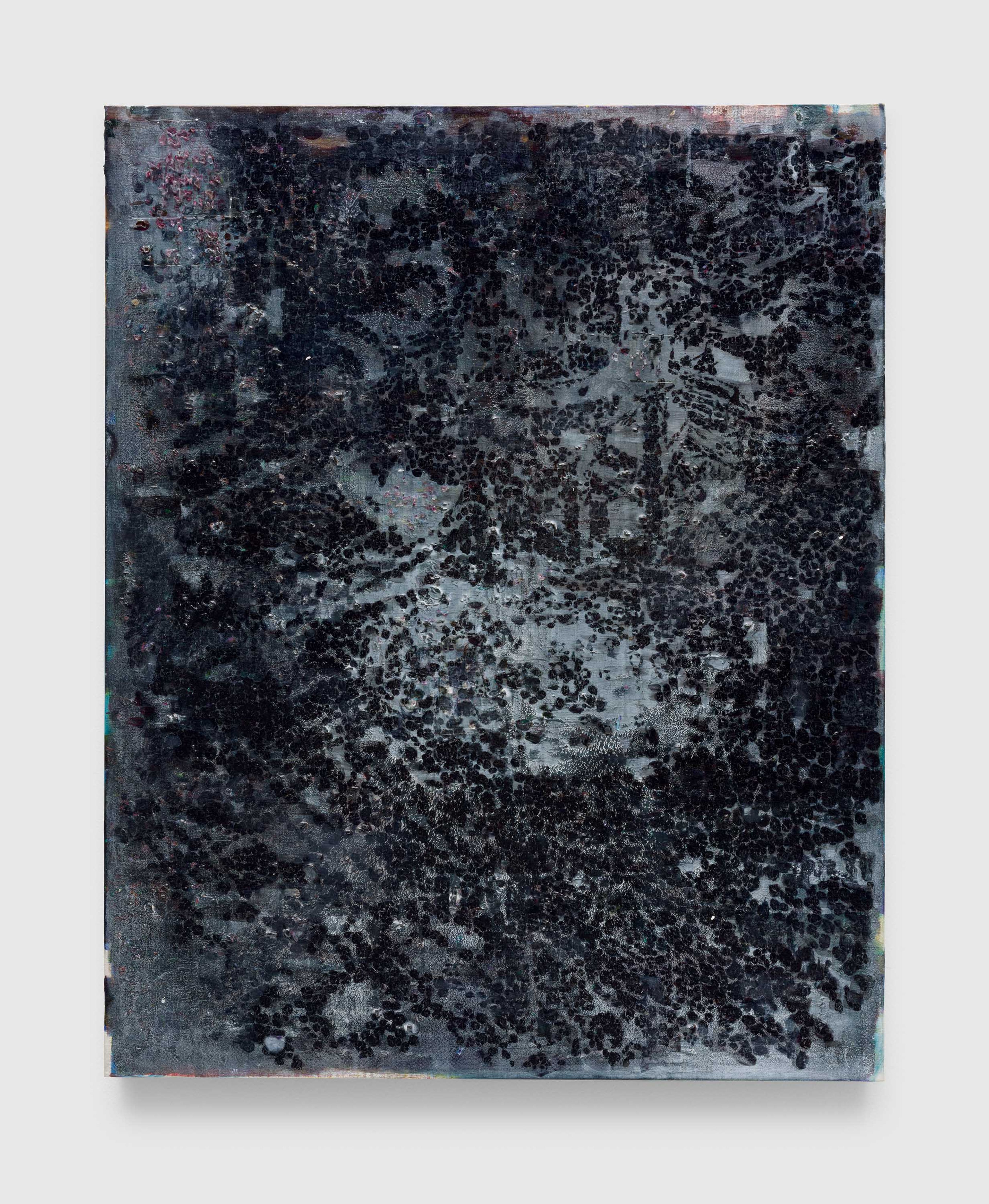
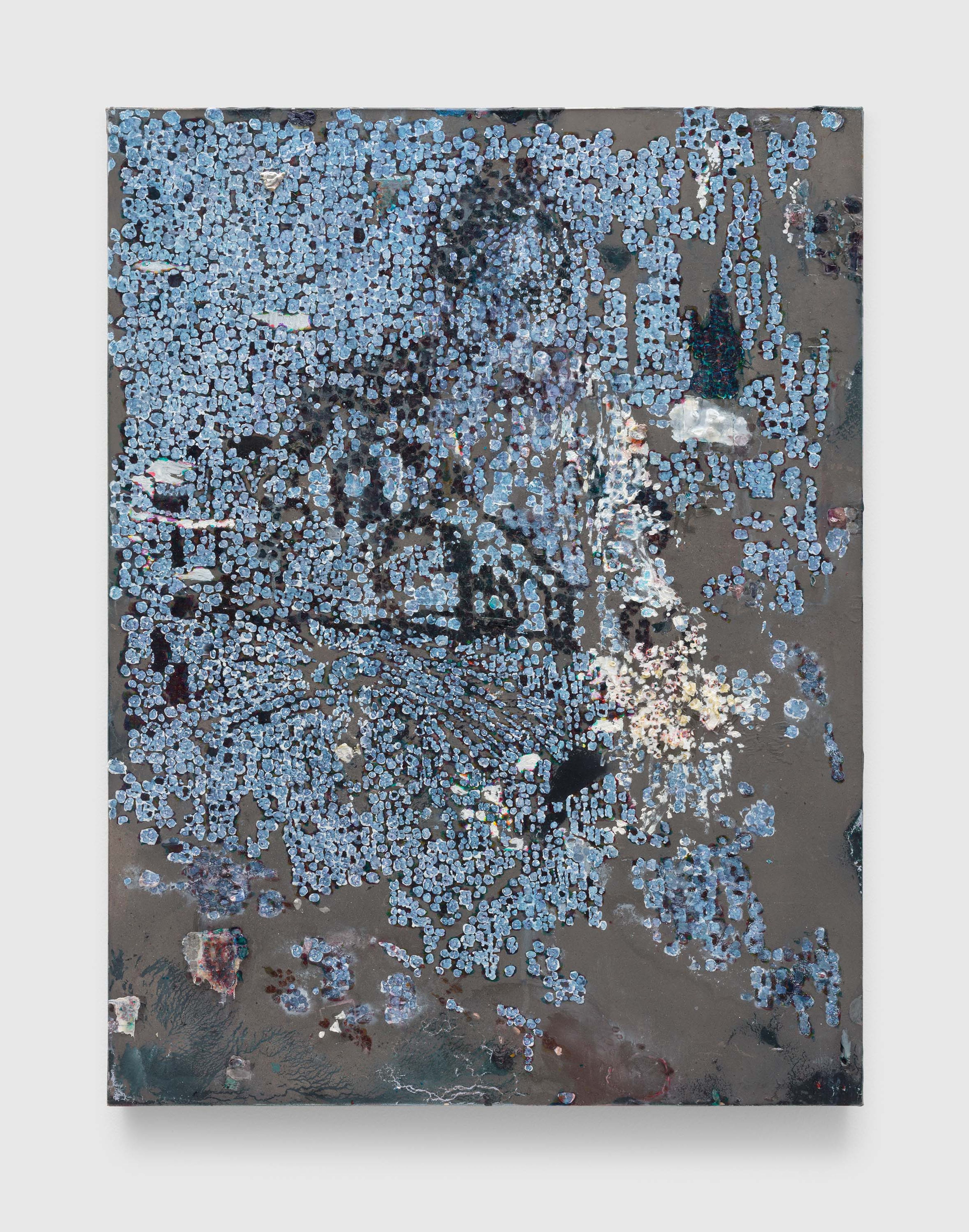
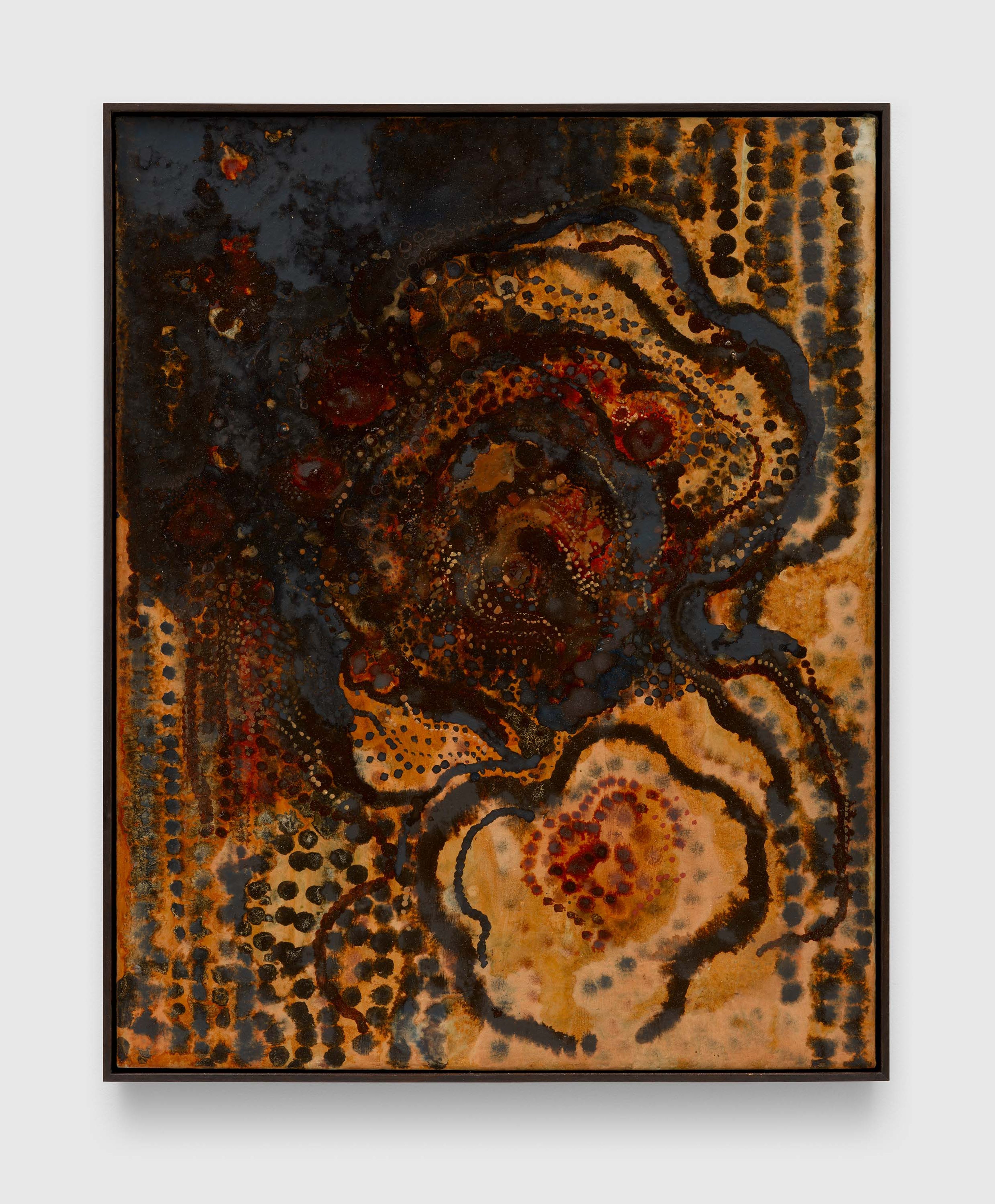
Masanori Tomita’s paintings in resin, oil, and ink are built up over a period of months or even years until their intricate surfaces resemble geological or archaeological records. Occupying a space between painting and object, his work draws on the hyperactive visual language of manga as well as the decorative traditions of ancient Japanese art, bringing popular and archaic sources together into iconographic tableaux that record the organic stratification of time.

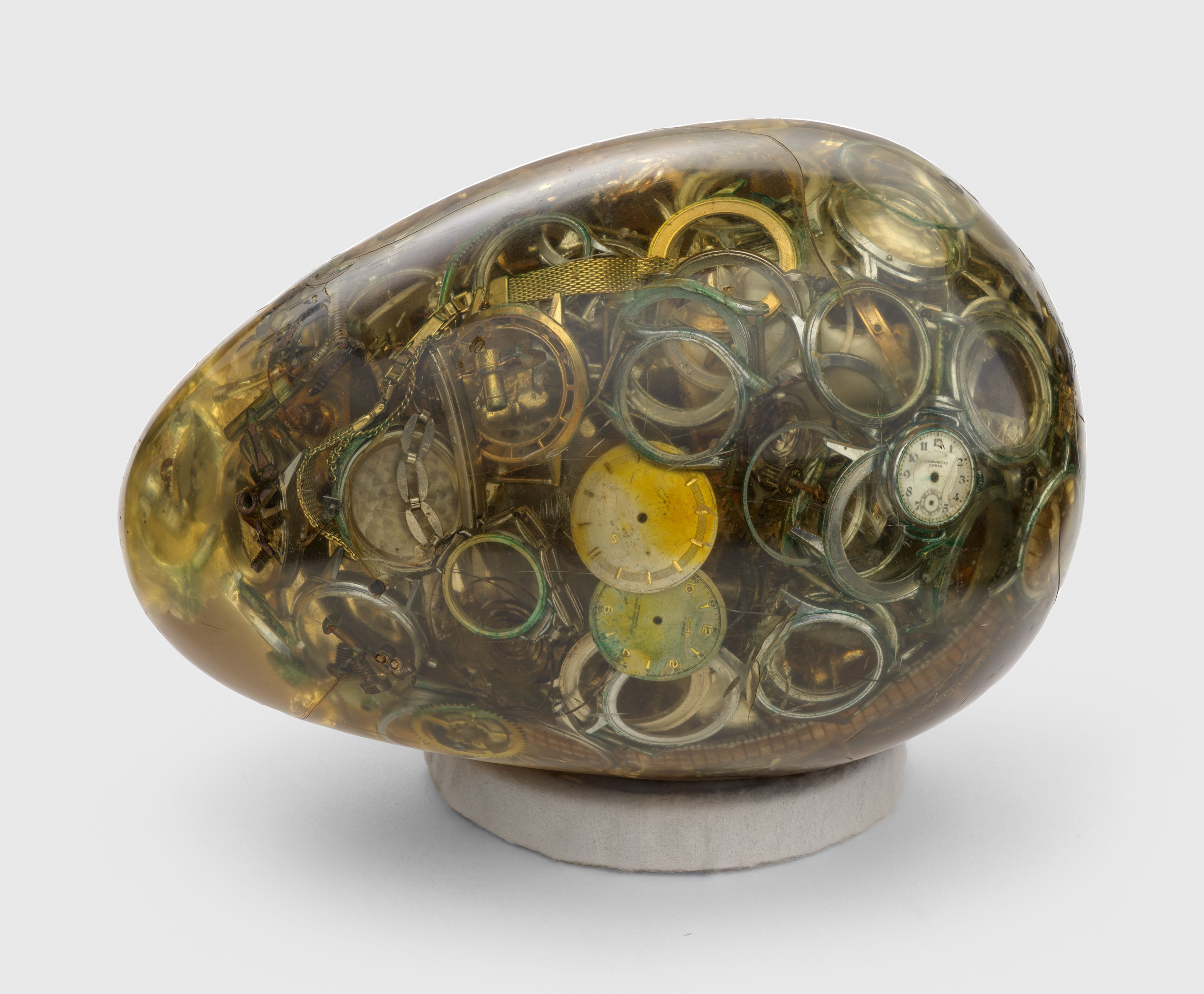
The central subject of Nakaya’s film is echoed in Natsuyuki Nakanishi’s resin sculpture Compact Object (c. 1962–1968), in which numerous discarded wristwatch parts are packed inside a single ostrich-egg-shaped form. The resultant work visualizes the physical pressures placed upon the human body in the postwar era, as well as the detritus left behind from the trauma of years past.

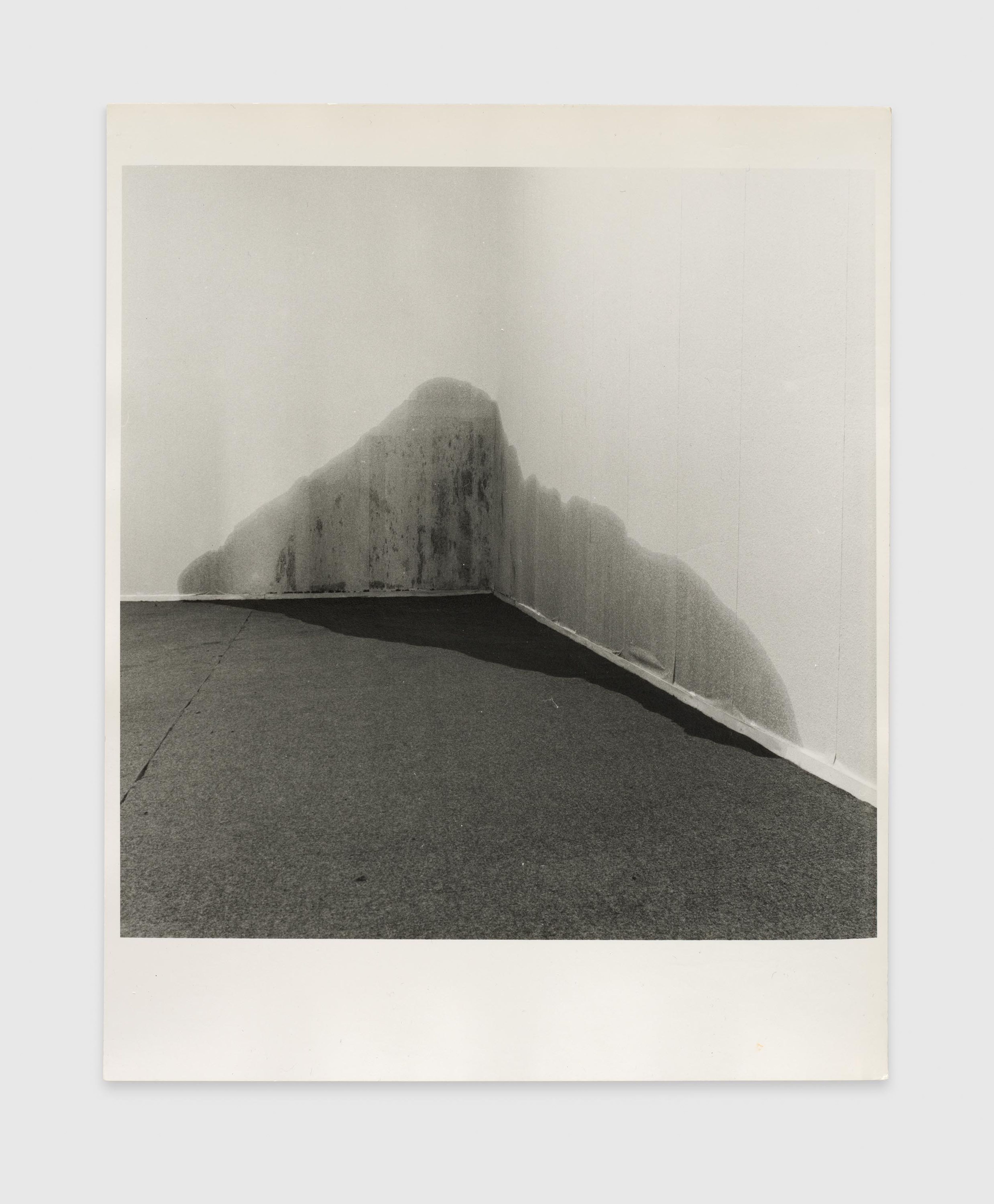
Koji Enokura (1942–1995) was a leading member of the mono-ha (“School of Things”) movement, a group of Japanese and Korean artists who explored the concept of “not making” as a response to the rapid industrialization of the 1960s. Enokura’s practice centered on capturing natural occurrences; his work documents such processes as the seeping and staining of oil and grease on fabric, paper, leather, or sometimes even the walls and floors of the gallery space itself.

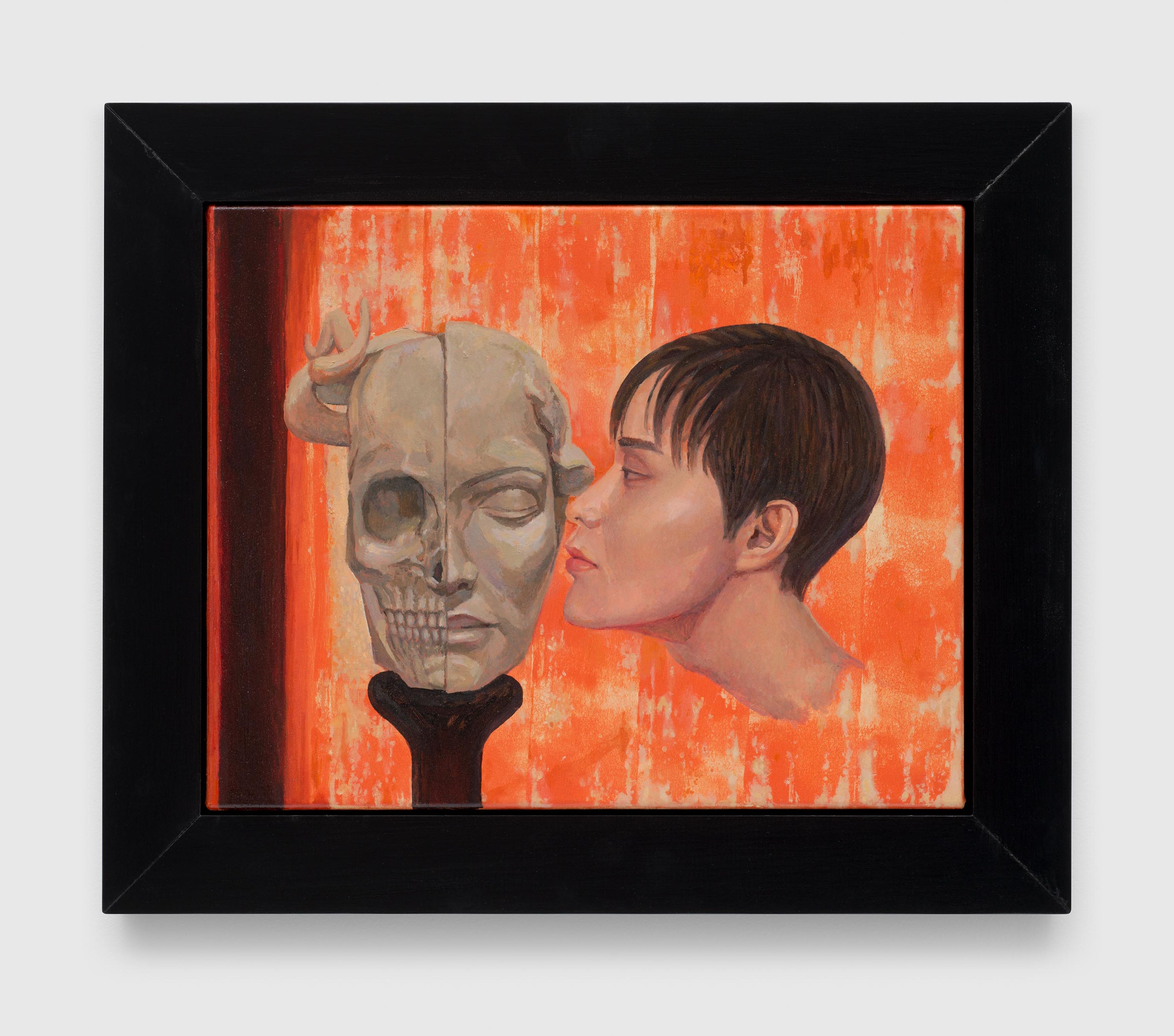
Soshiro Matsubara’s multimedia installations radiate a darkly seductive relationship with cultural heritage. Shaped by his position as a Japanese artist working in Vienna, Matsubara’s imagery fuses symbolist and surrealist motifs with a psychosexual wildness, navigating distance and desire between two cultural imaginaries.

Reina Sugihara proposes alternative cross-border connections between twentieth-century European lineages such as Art Informel and the process-oriented, bodily nature of the Gutai movement. Considering the human body as a kind of scientific found object, Sugihara constructs her visceral compositions over time in an intense procedure of material accumulation.

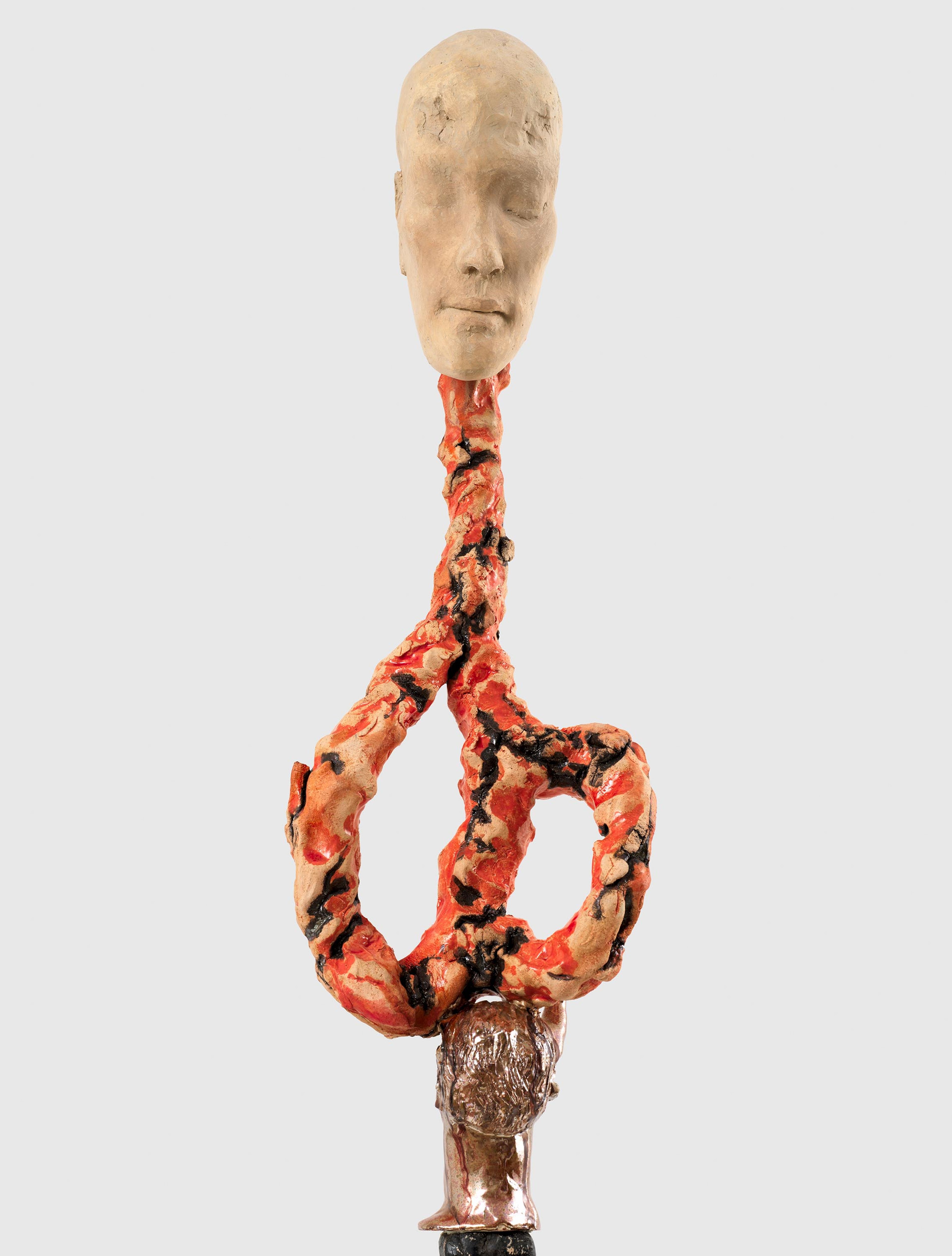
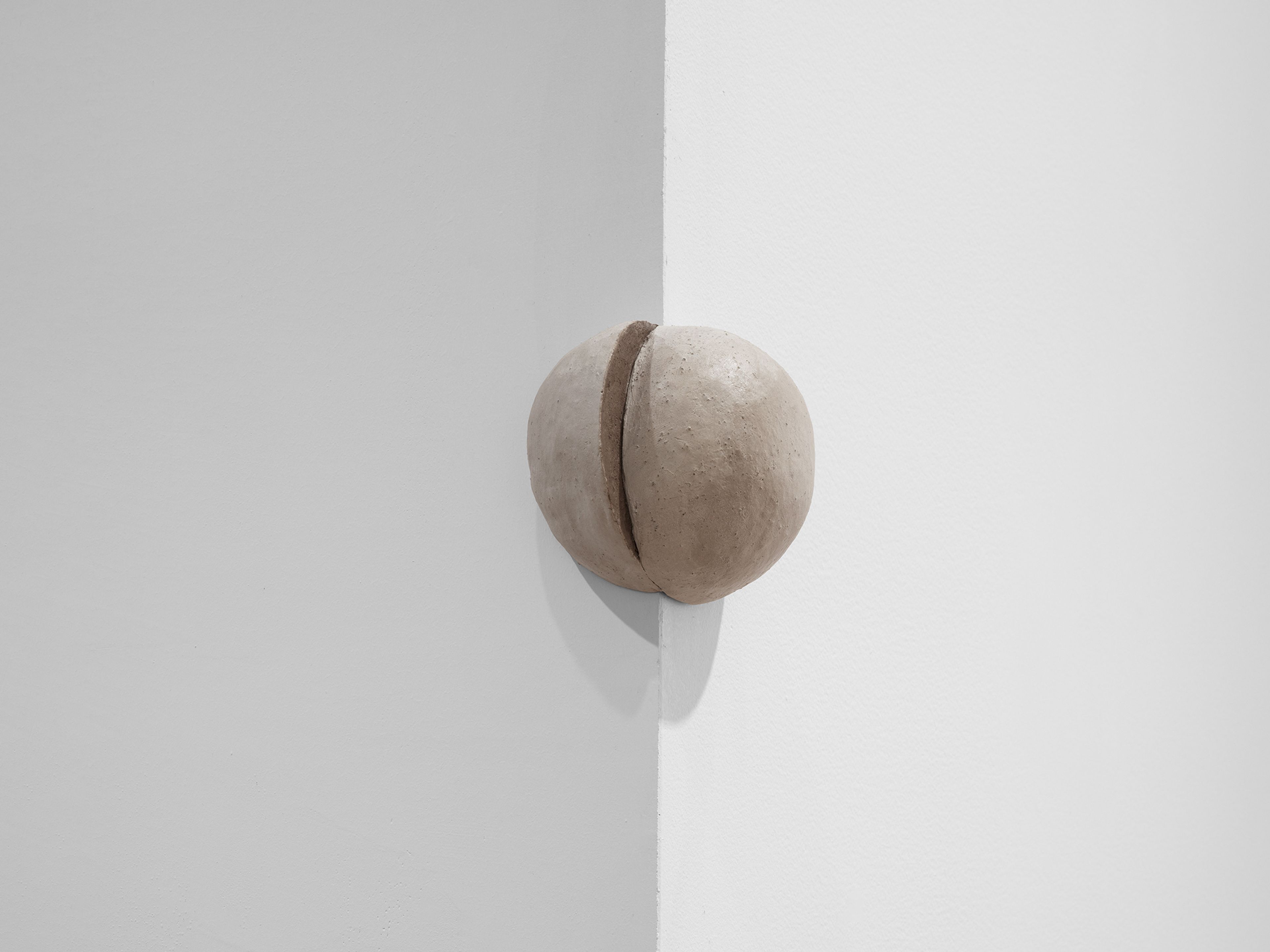
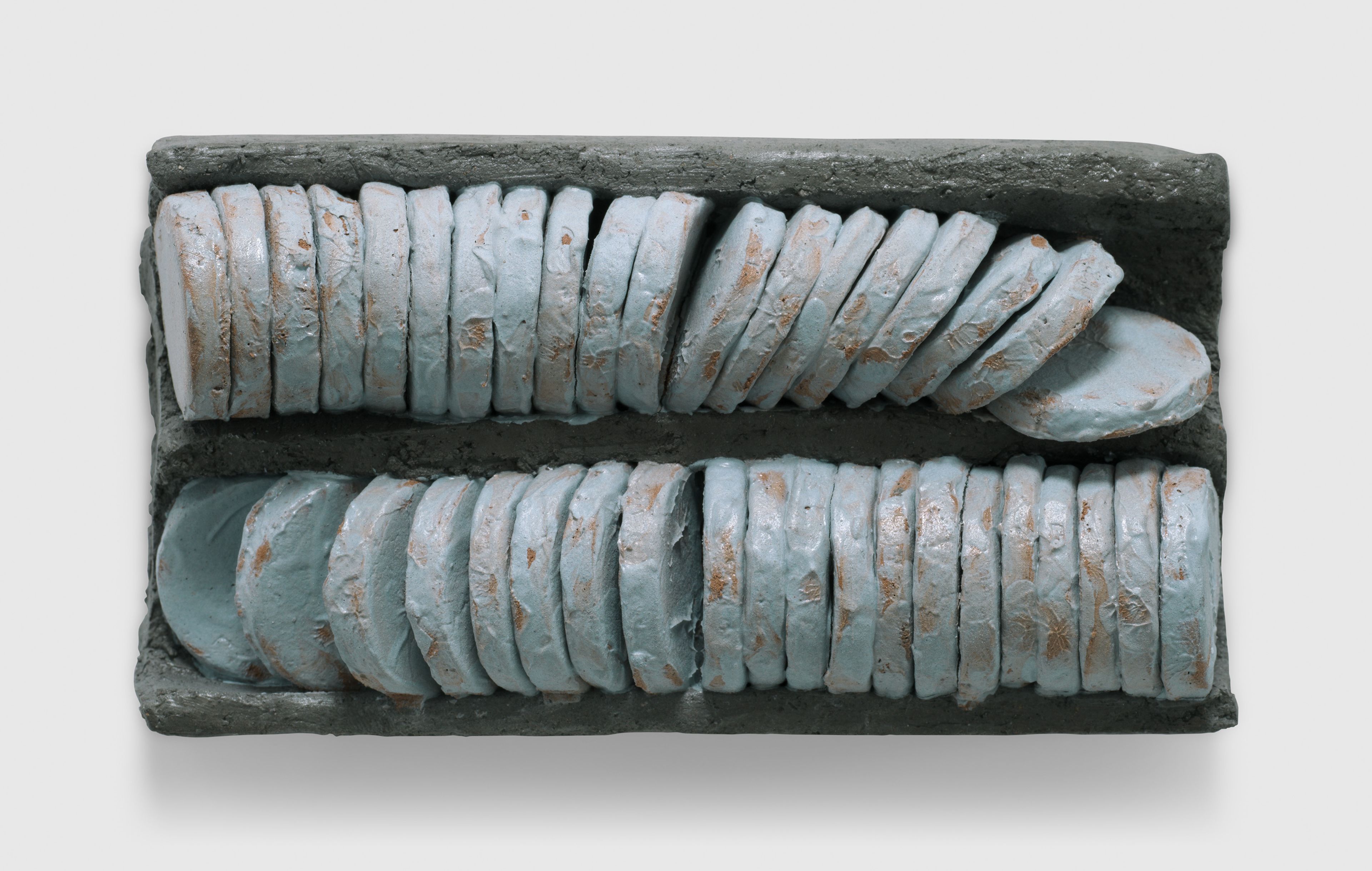
Since 2016, Hiraki Ono has embarked on an expansive body of clay sculptures titled Object for Painting; in these hand-sized works, Ono shapes slabs of clay through physical actions like rolling, kneading, or scratching, resulting in intensely tactile pieces that foreground texture as both process and subject.

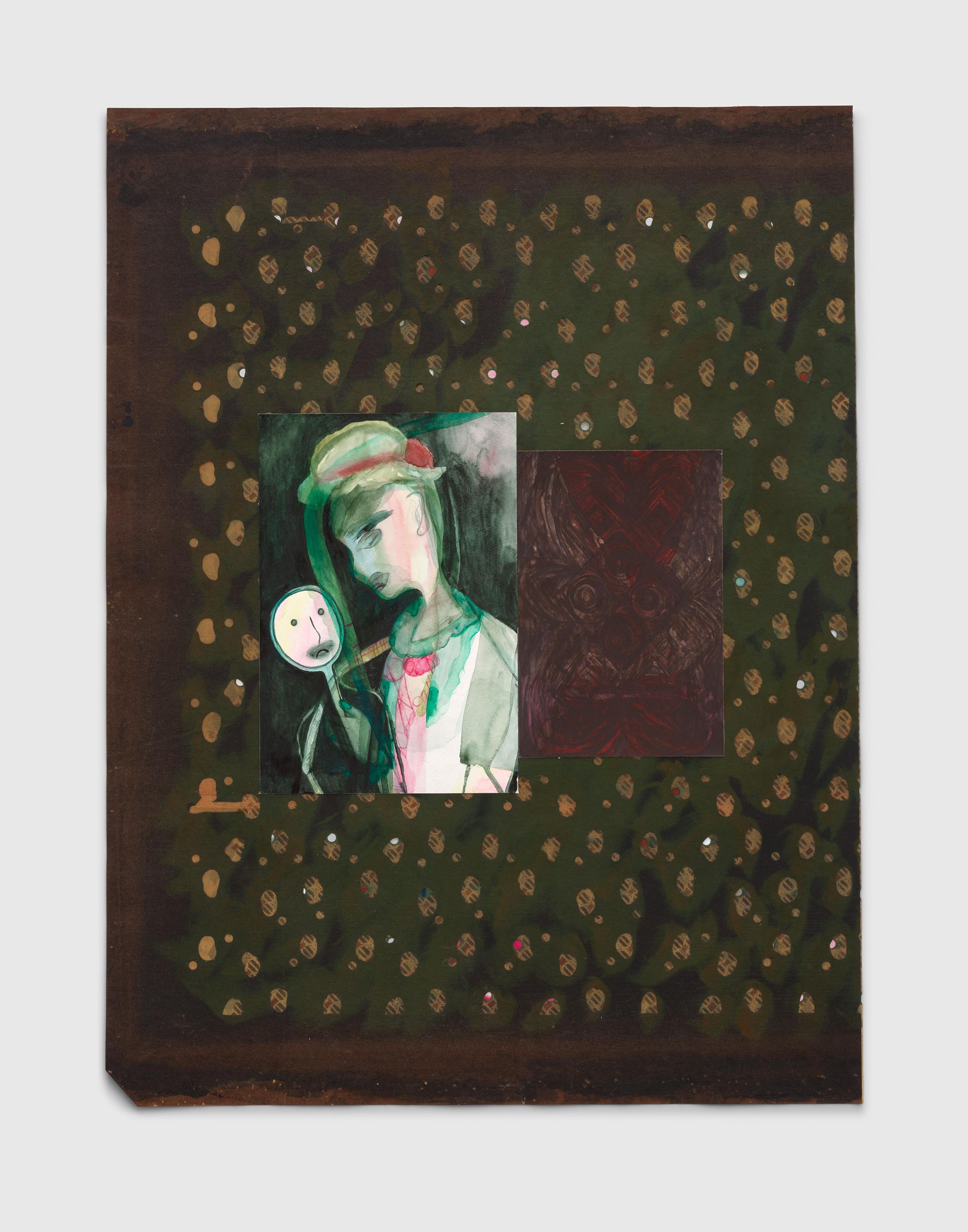
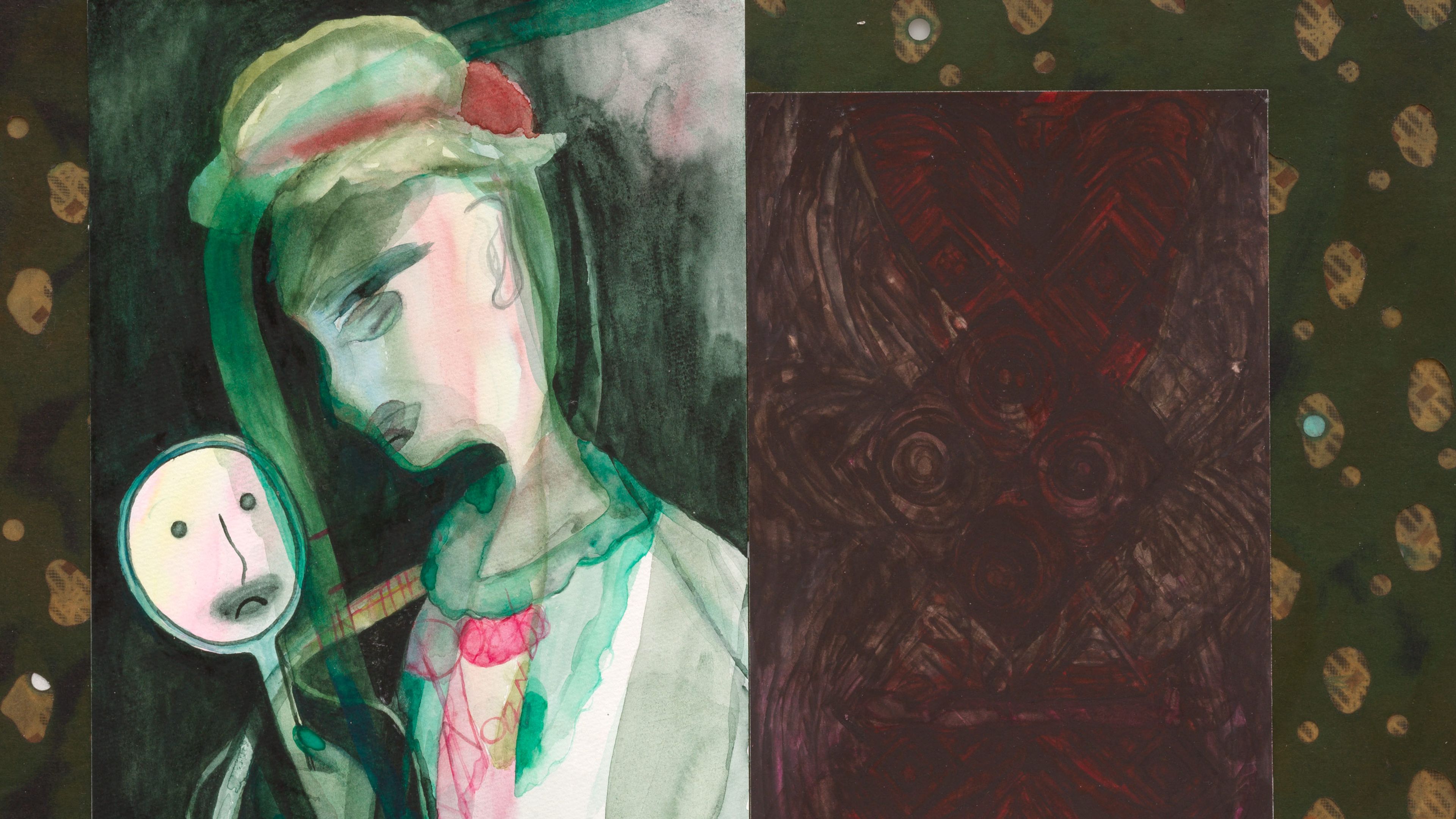
In complexly layered compositions, Ryoko Aoki calls attention to the limits between the interior self and the external world. Through free association and, often, the use of found objects, she allows common motifs to evolve into surprising new forms that reconsider the textures of everyday life and transform the familiar into the unexpected.

Installation view, Statics of an Egg, David Zwirner, New York, 2026
Ryoko Aoki, Mitochondria, 2026 (detail)

Black background, no image

Request more information