The Great Unseen Collection
A Selection of Works from Joel and Carole Bernstein
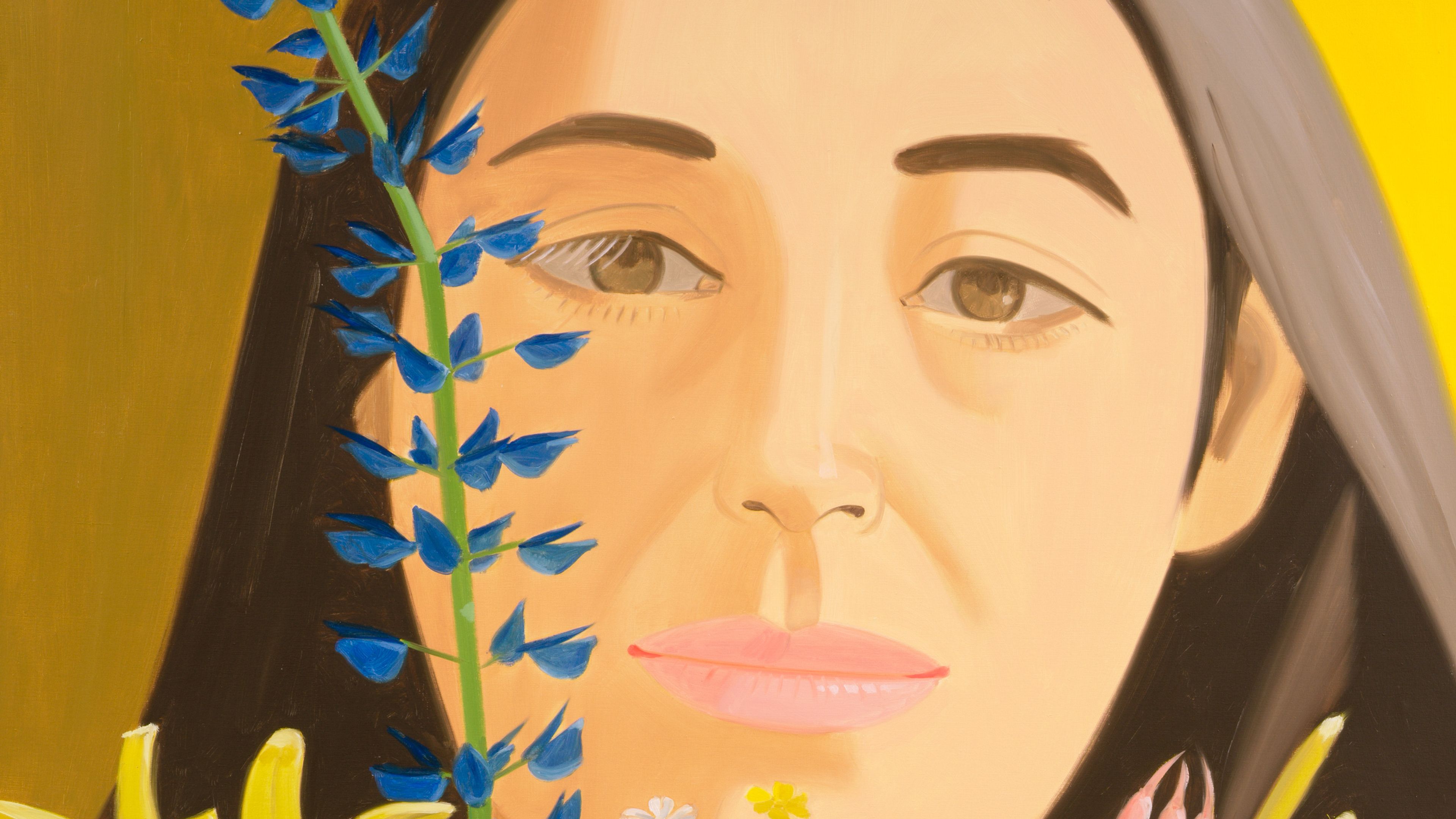
Alex Katz, Ada and Flowers, 1980 (detail). © 2026 Alex Katz / Artists Rights Society (ARS), NY
Featuring works by:
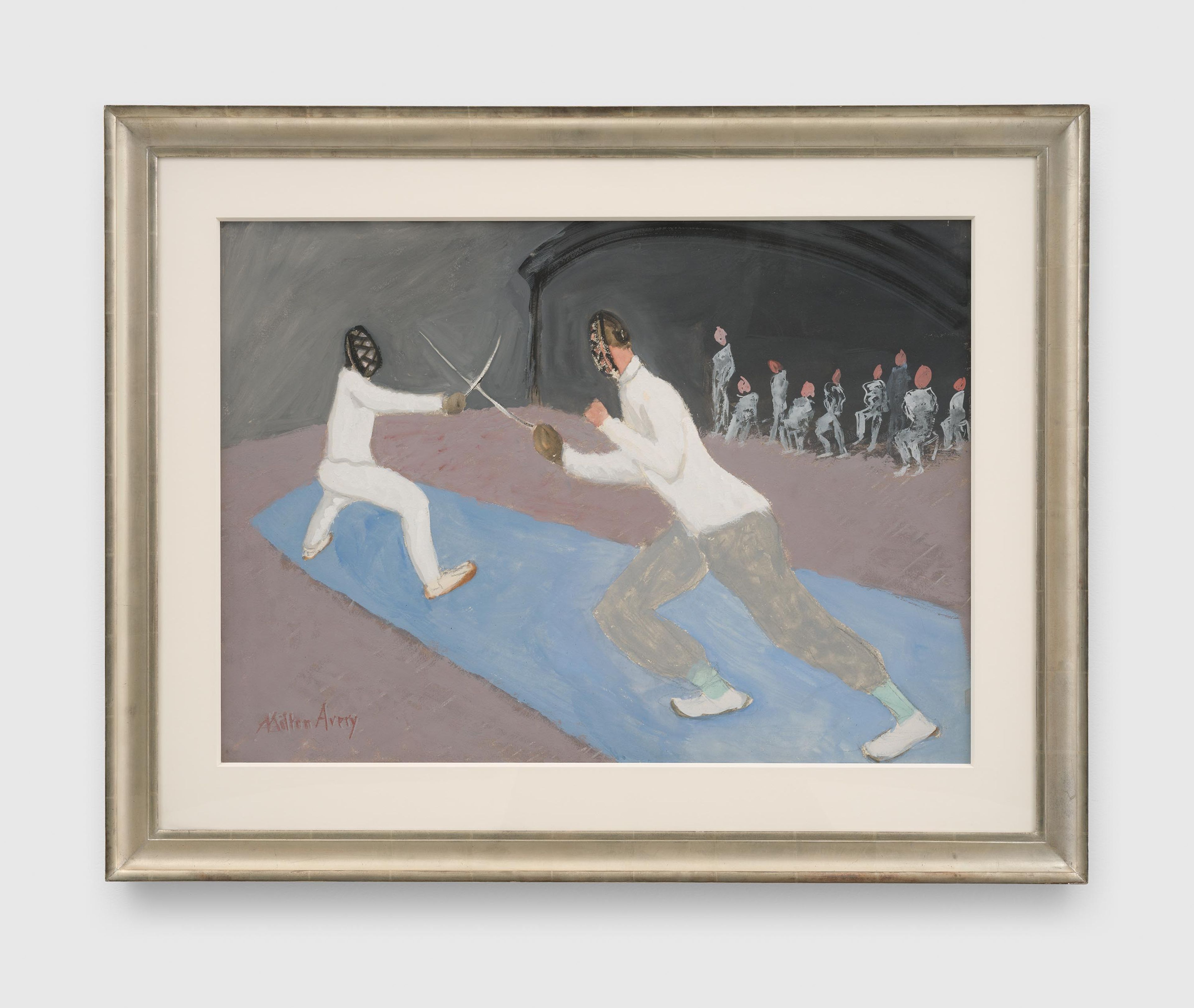
Milton Avery
Romare Bearden
Joan Brown
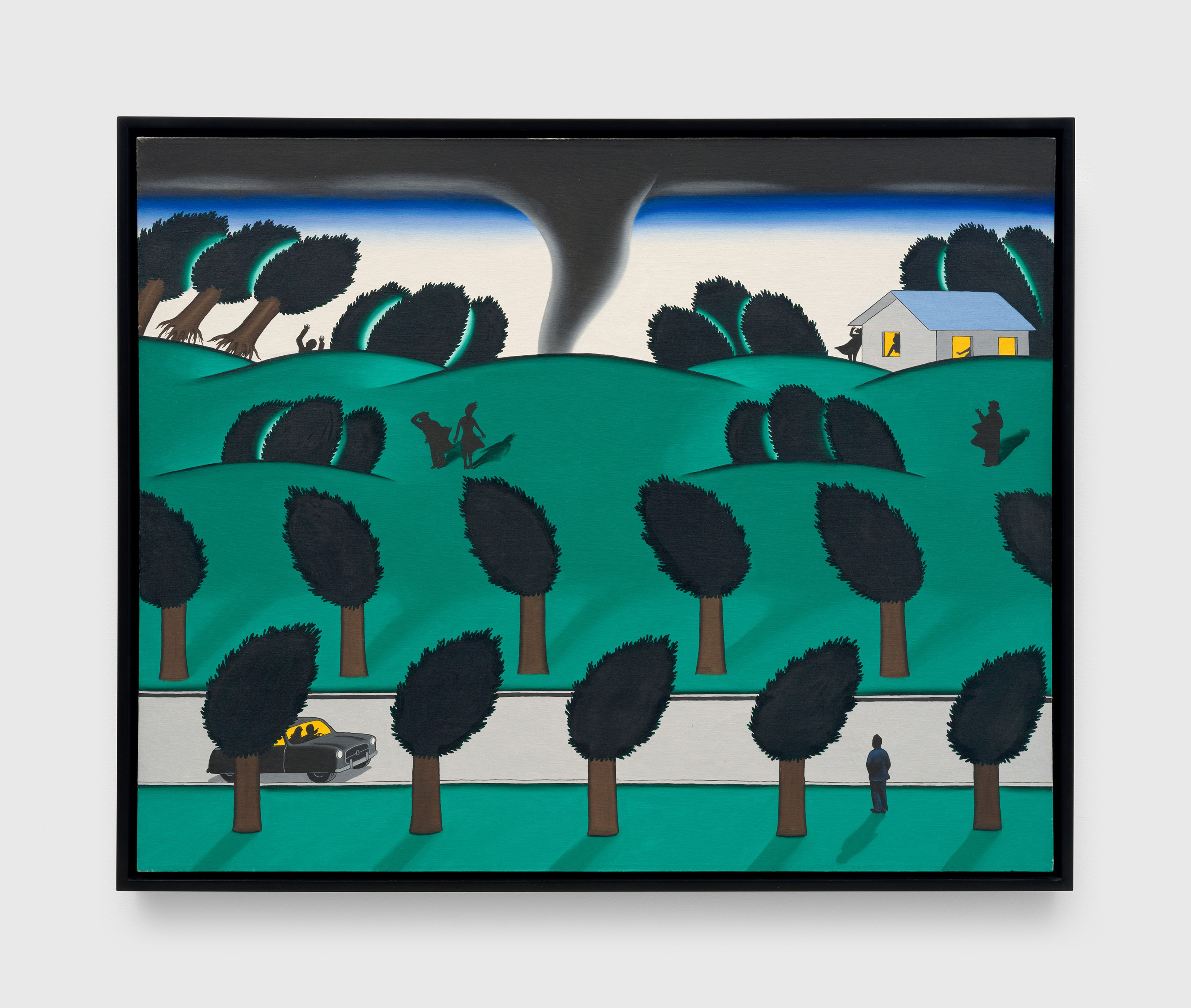
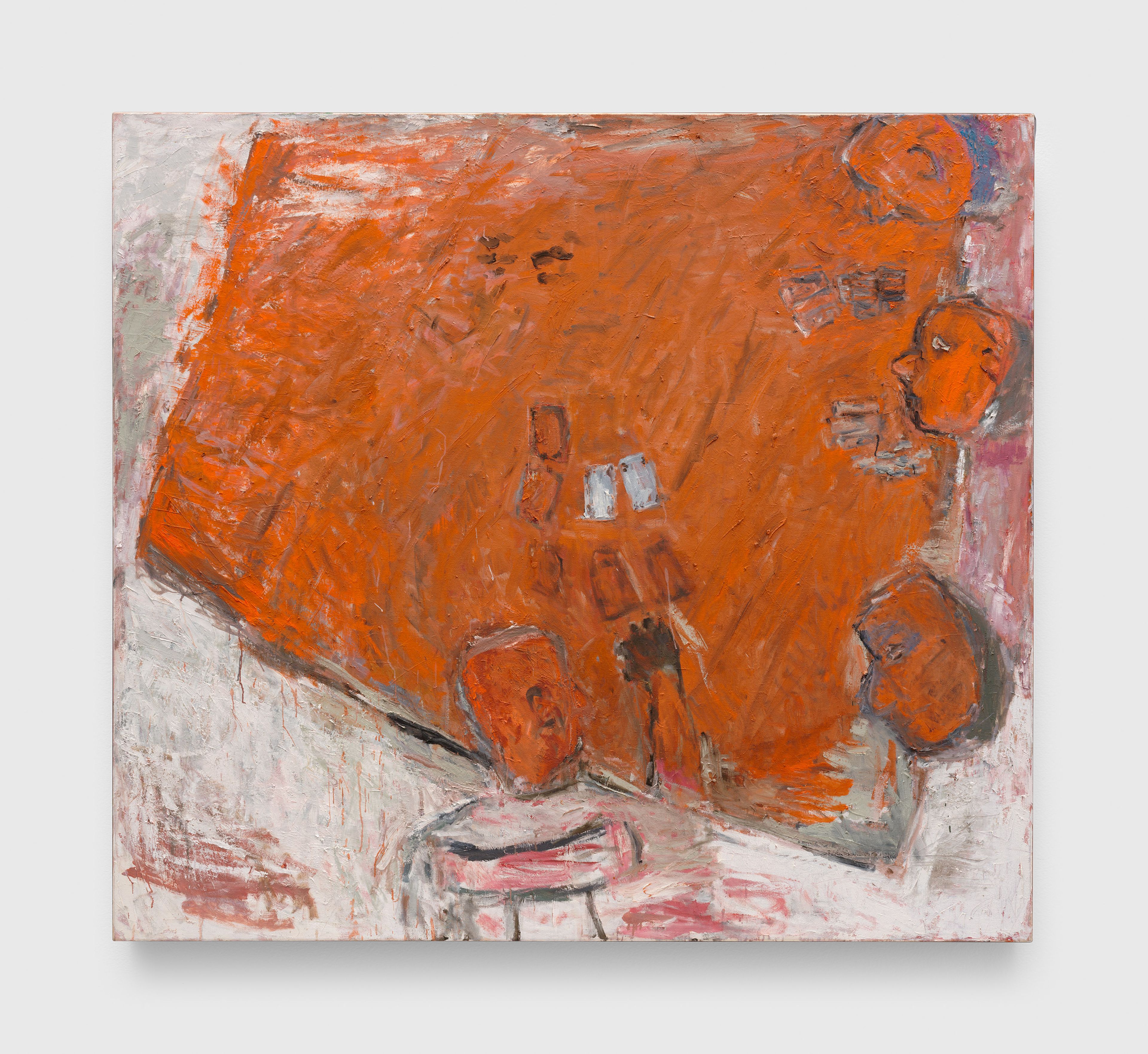
Roger Brown
Joe Coleman
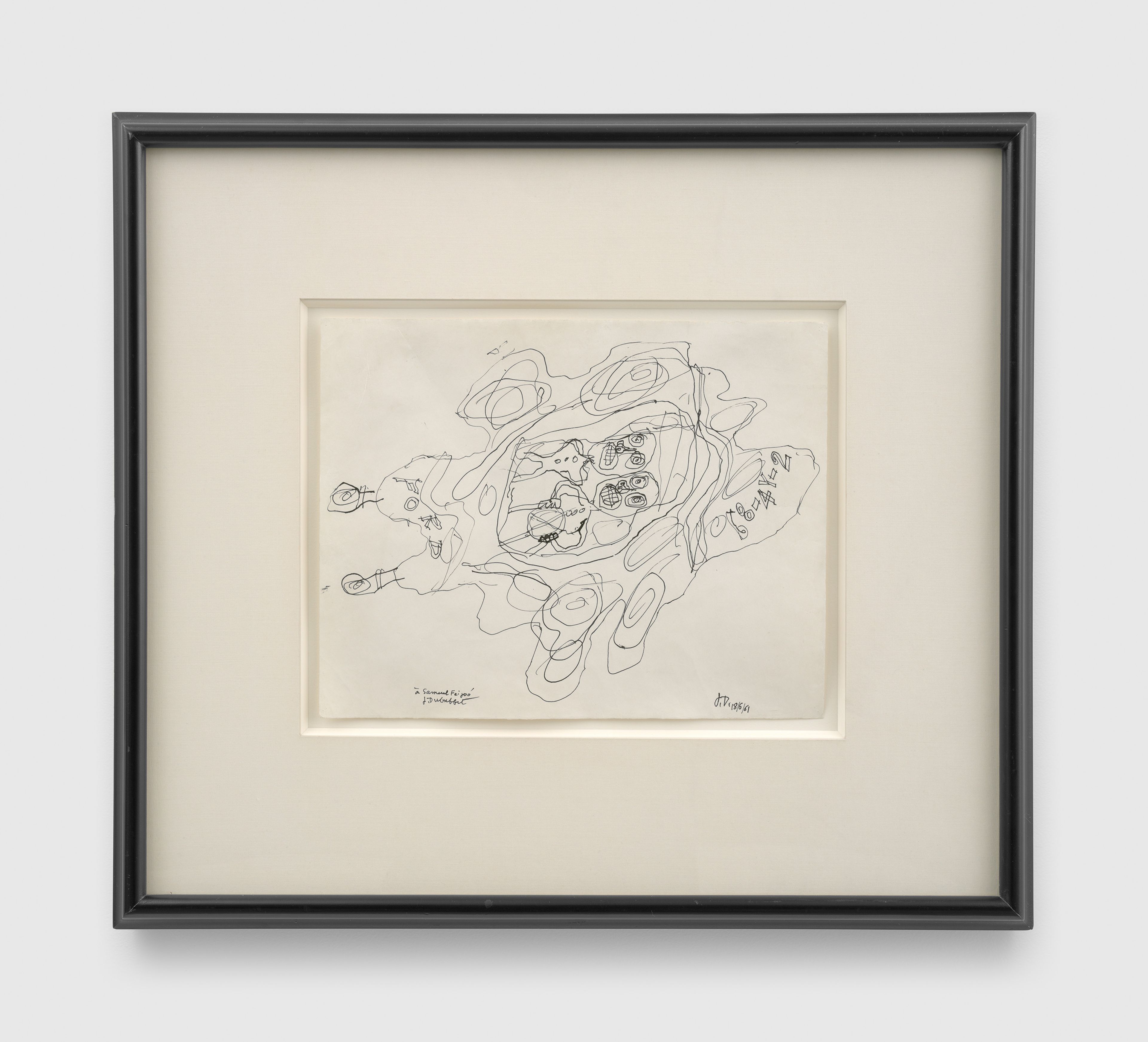
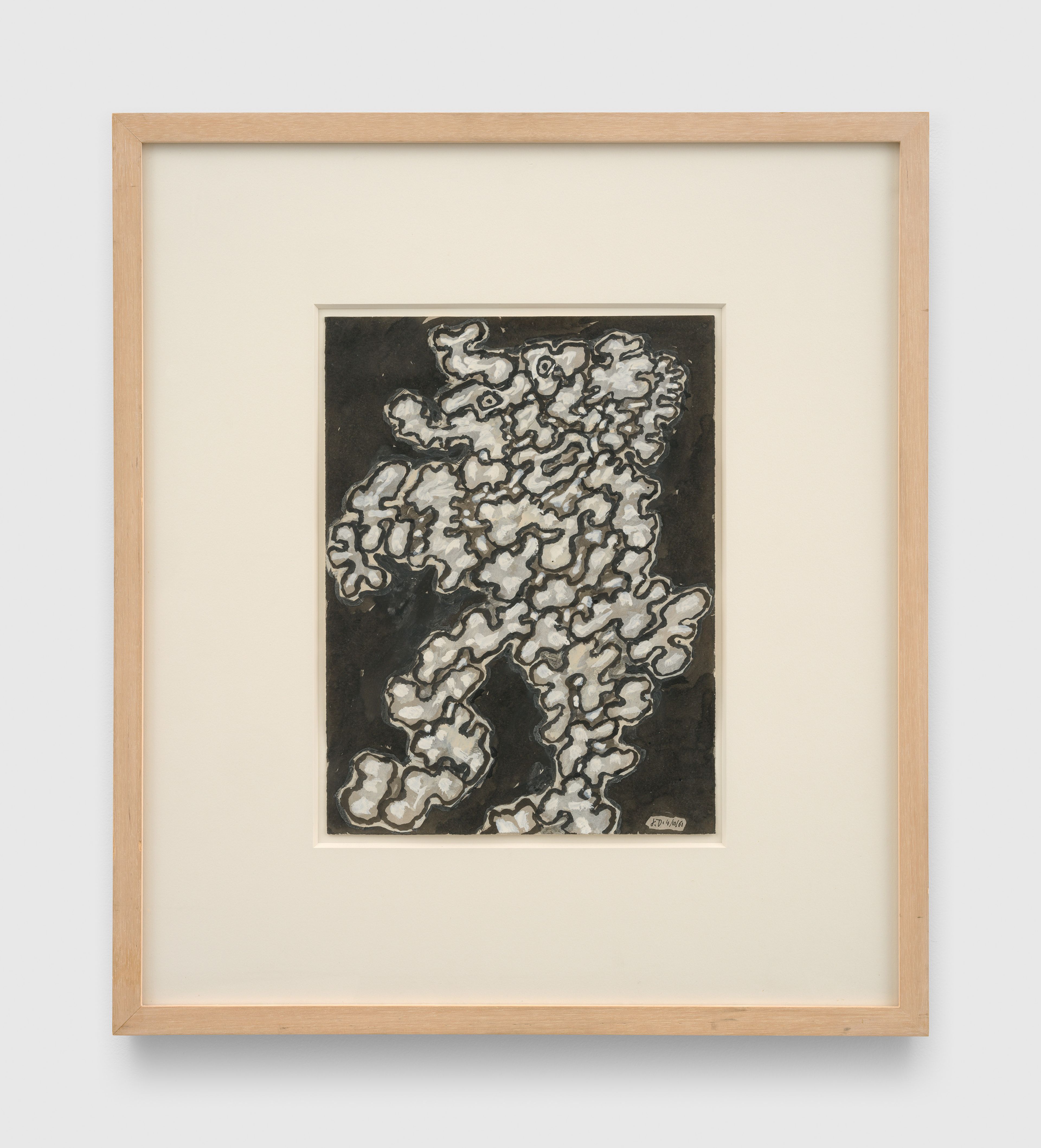
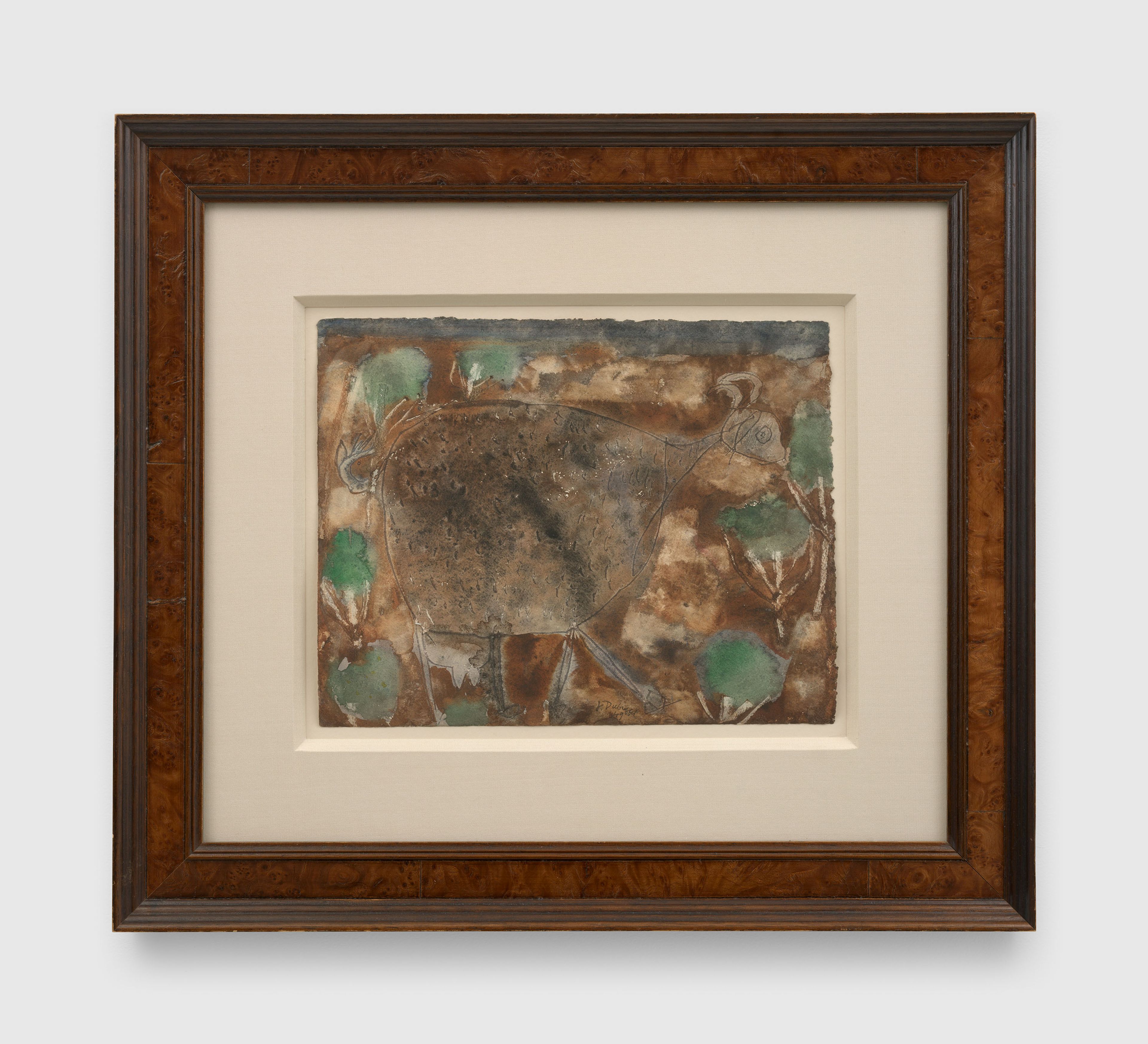
Jean Dubuffet
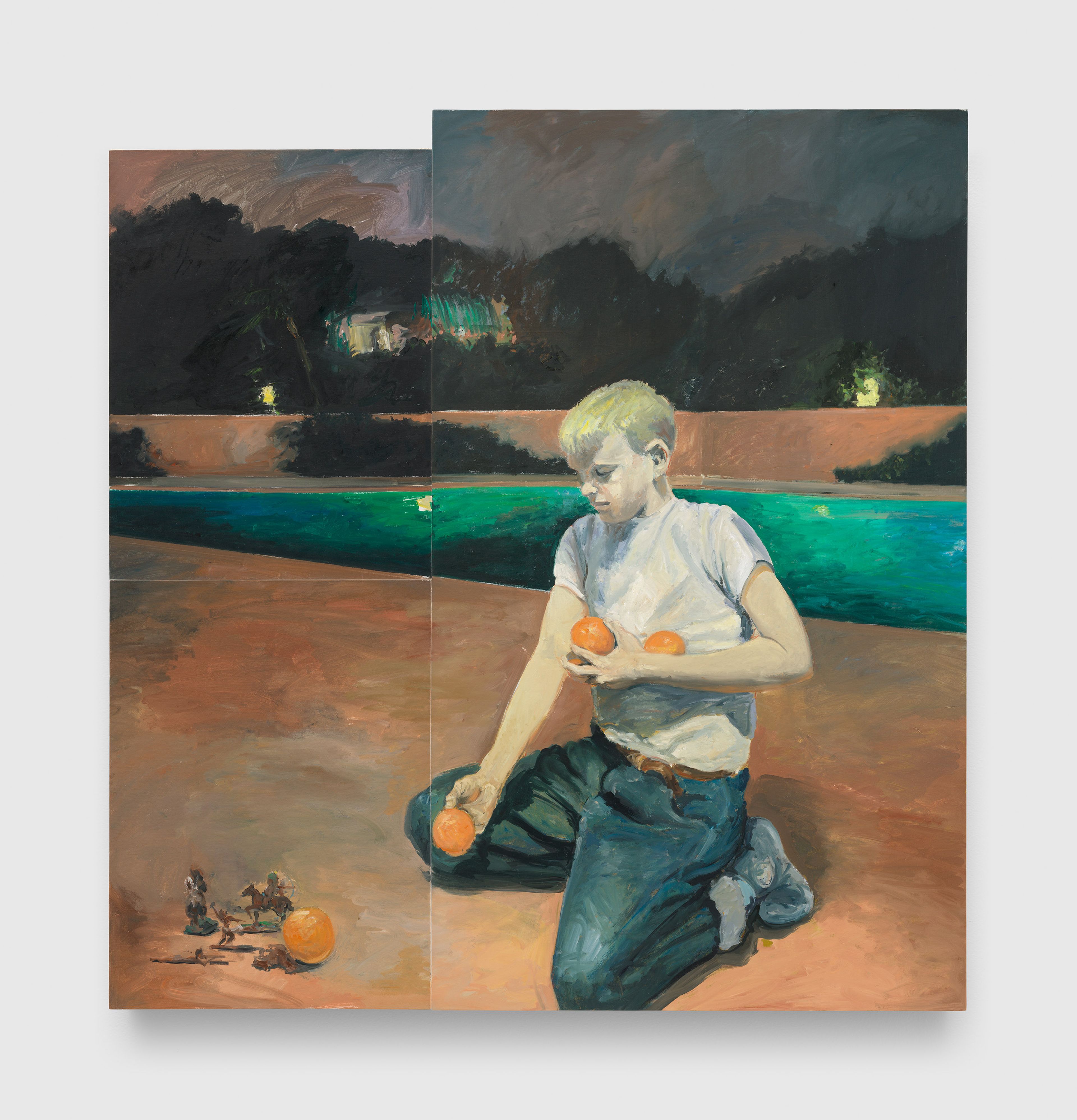
Eric Fischl
Audrey Flack
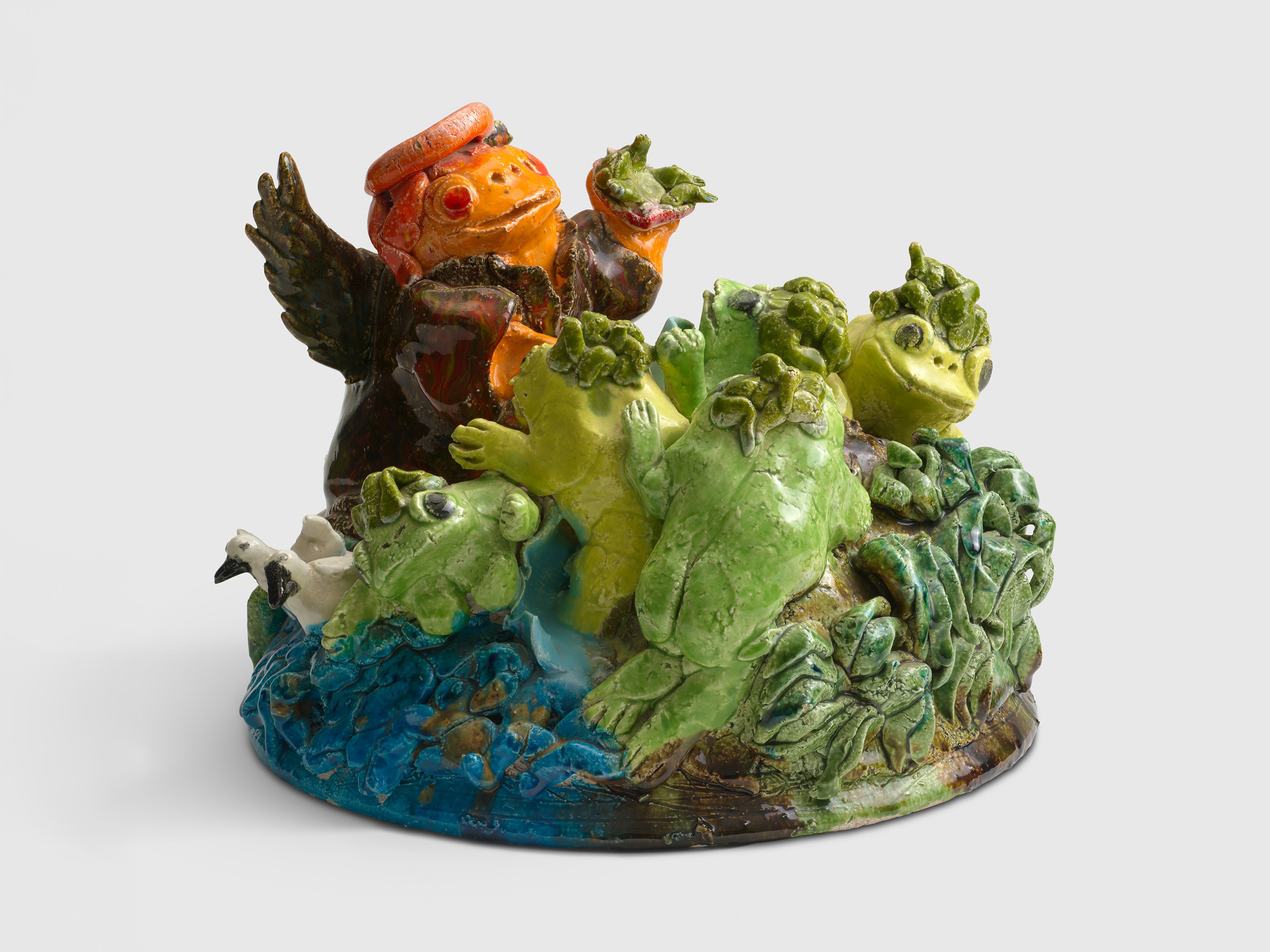
David Gilhooly
Alex Katz
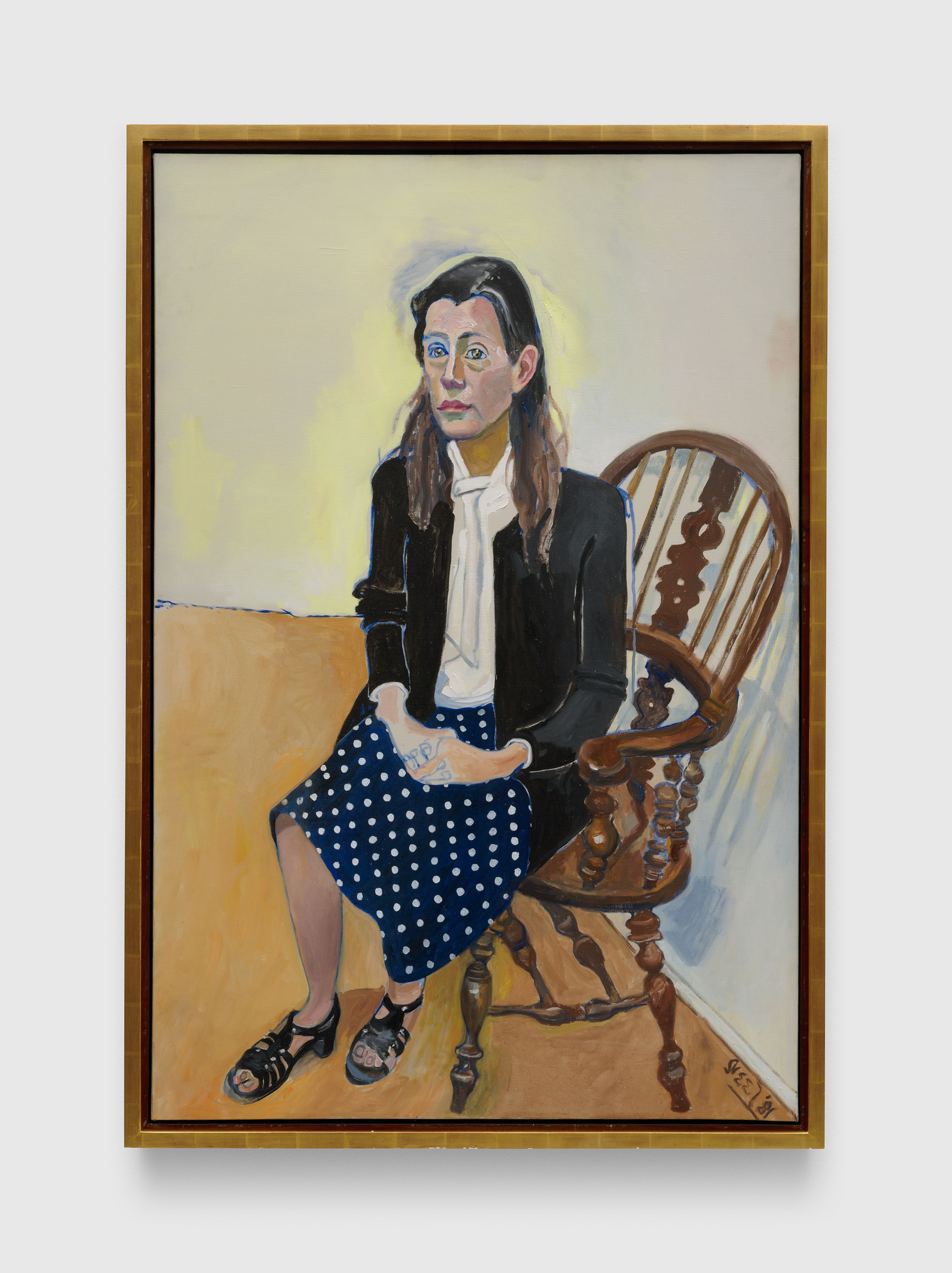
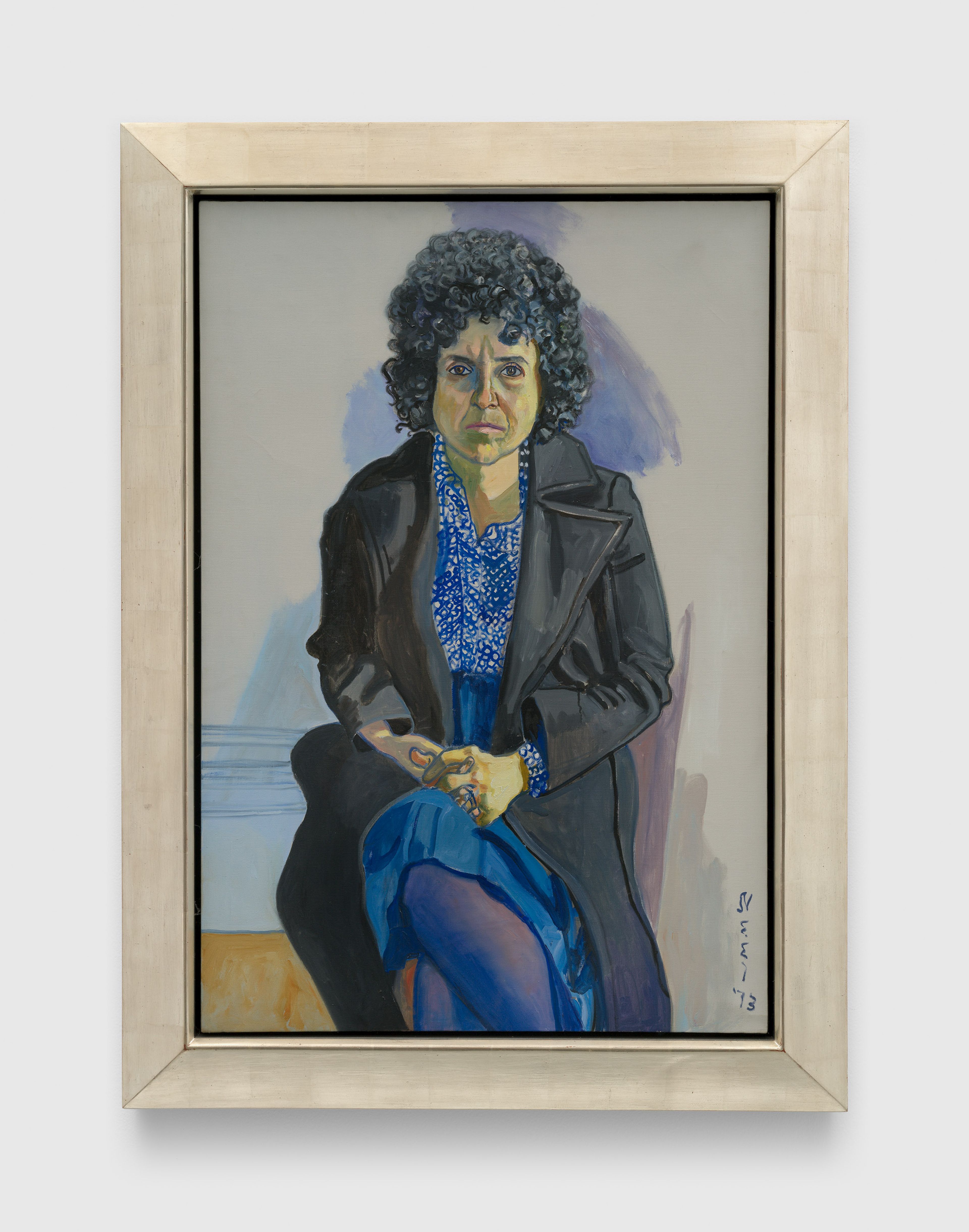
- Alice Neel
Fairfield Porter
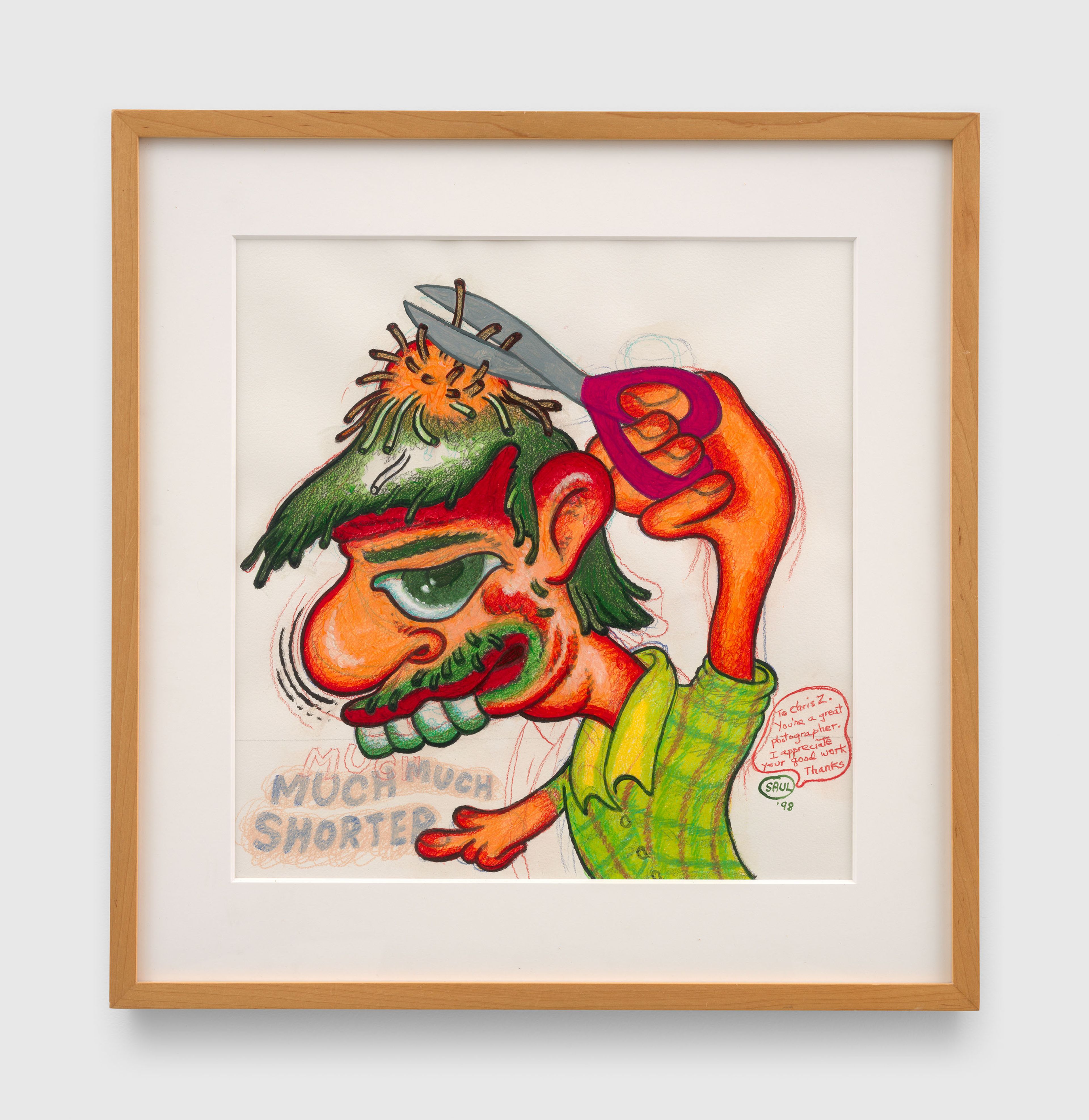
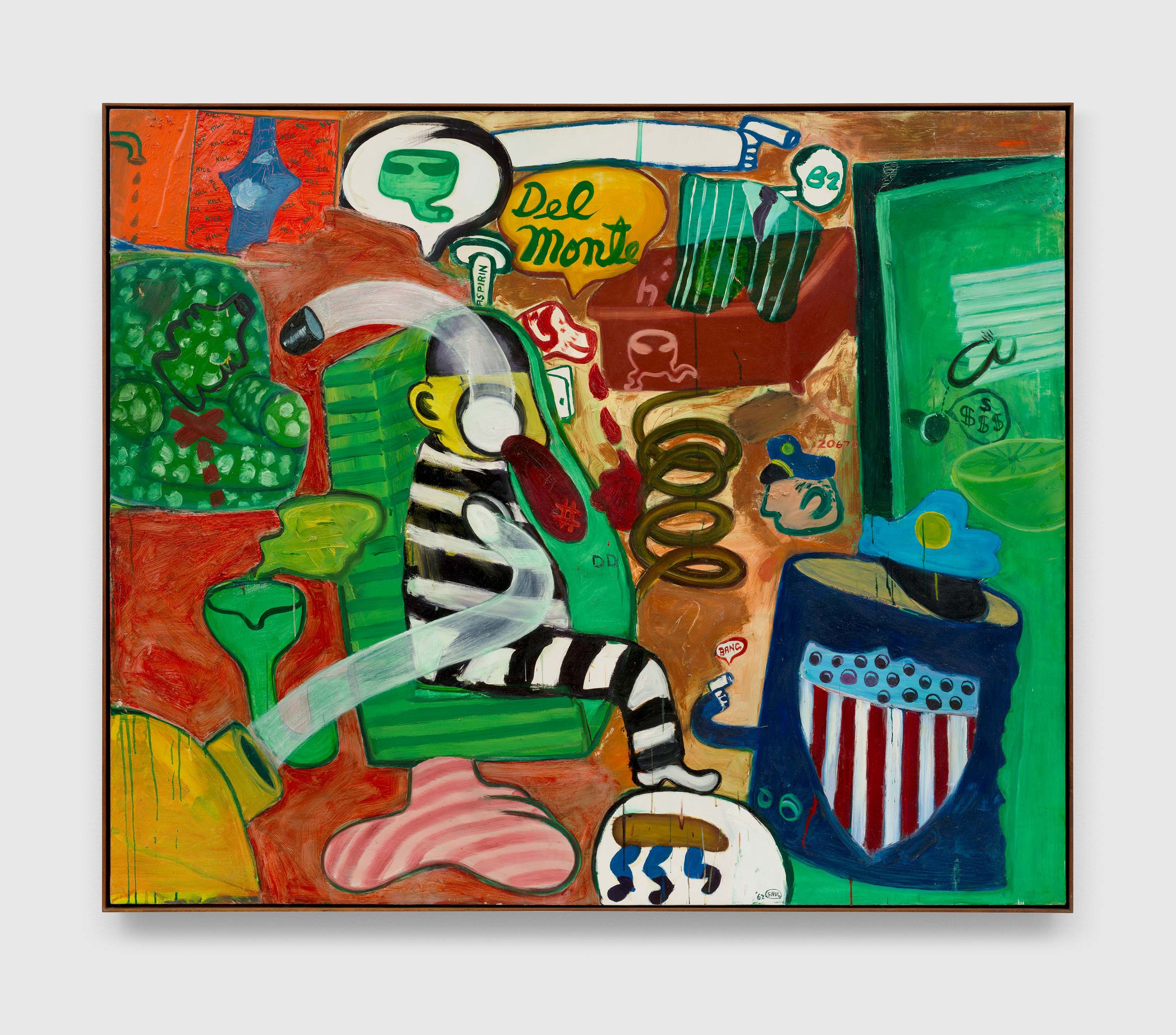
Peter Saul
Bob Thompson
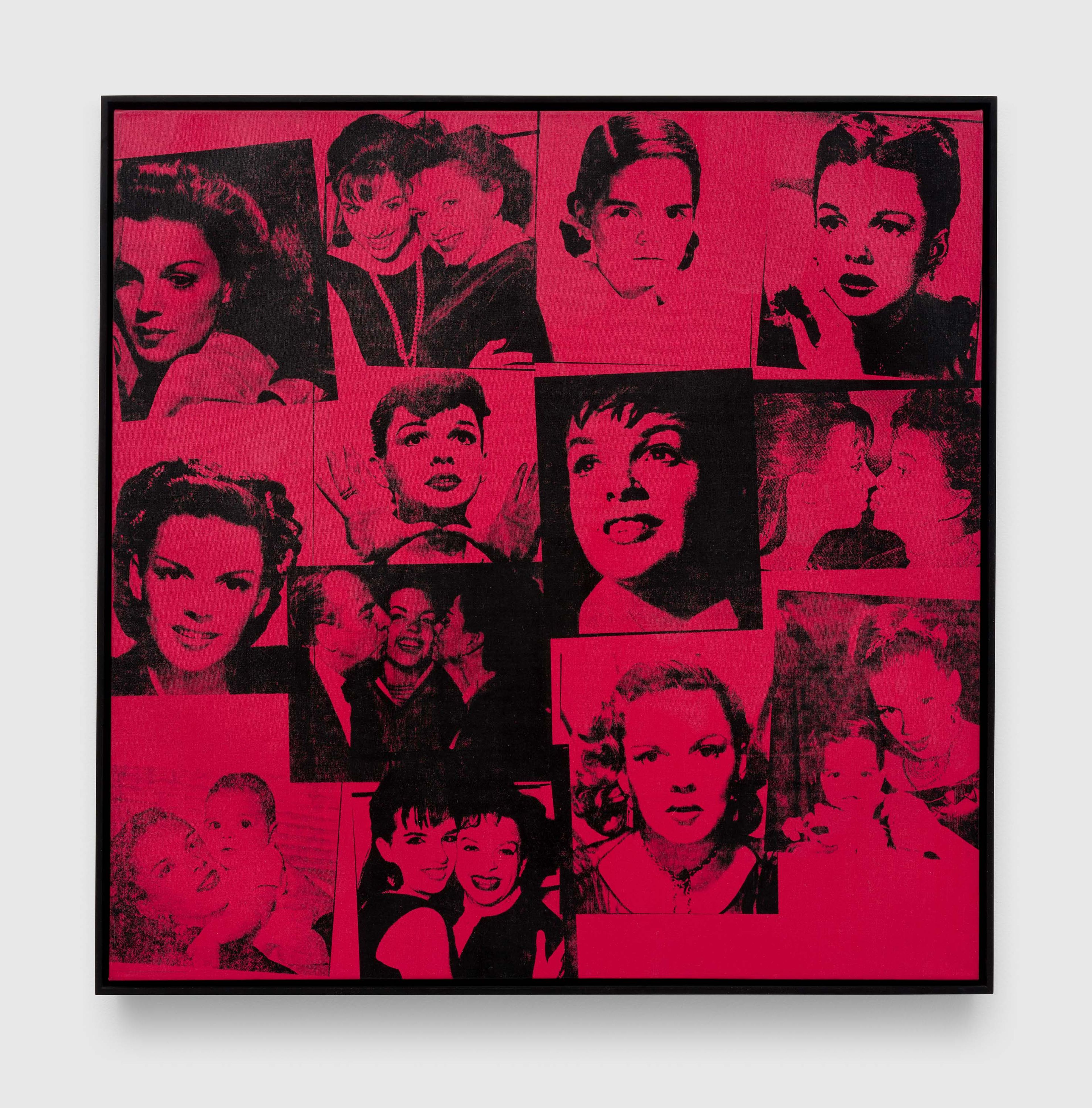
Andy Warhol
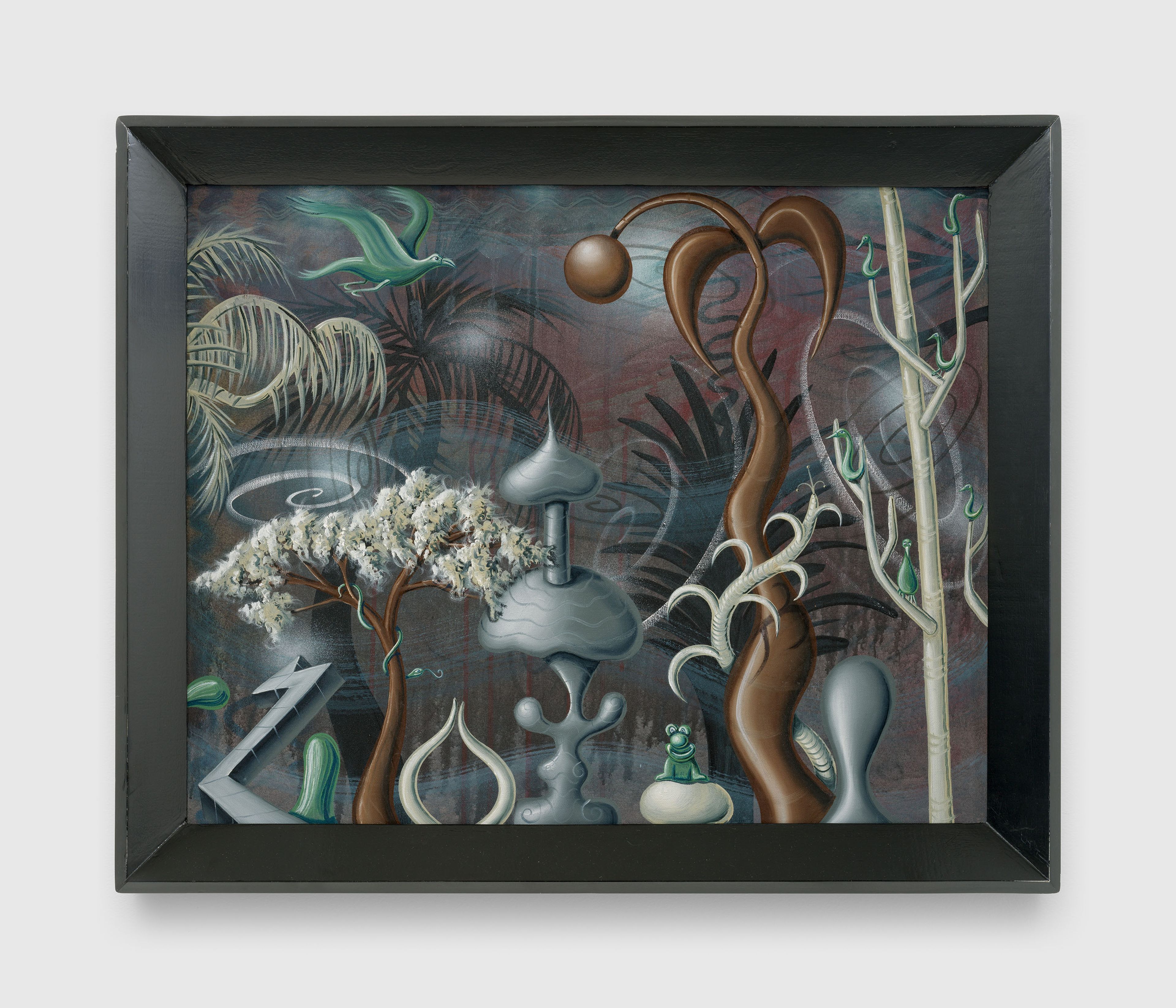
John Wesley
Tom Wesselmann
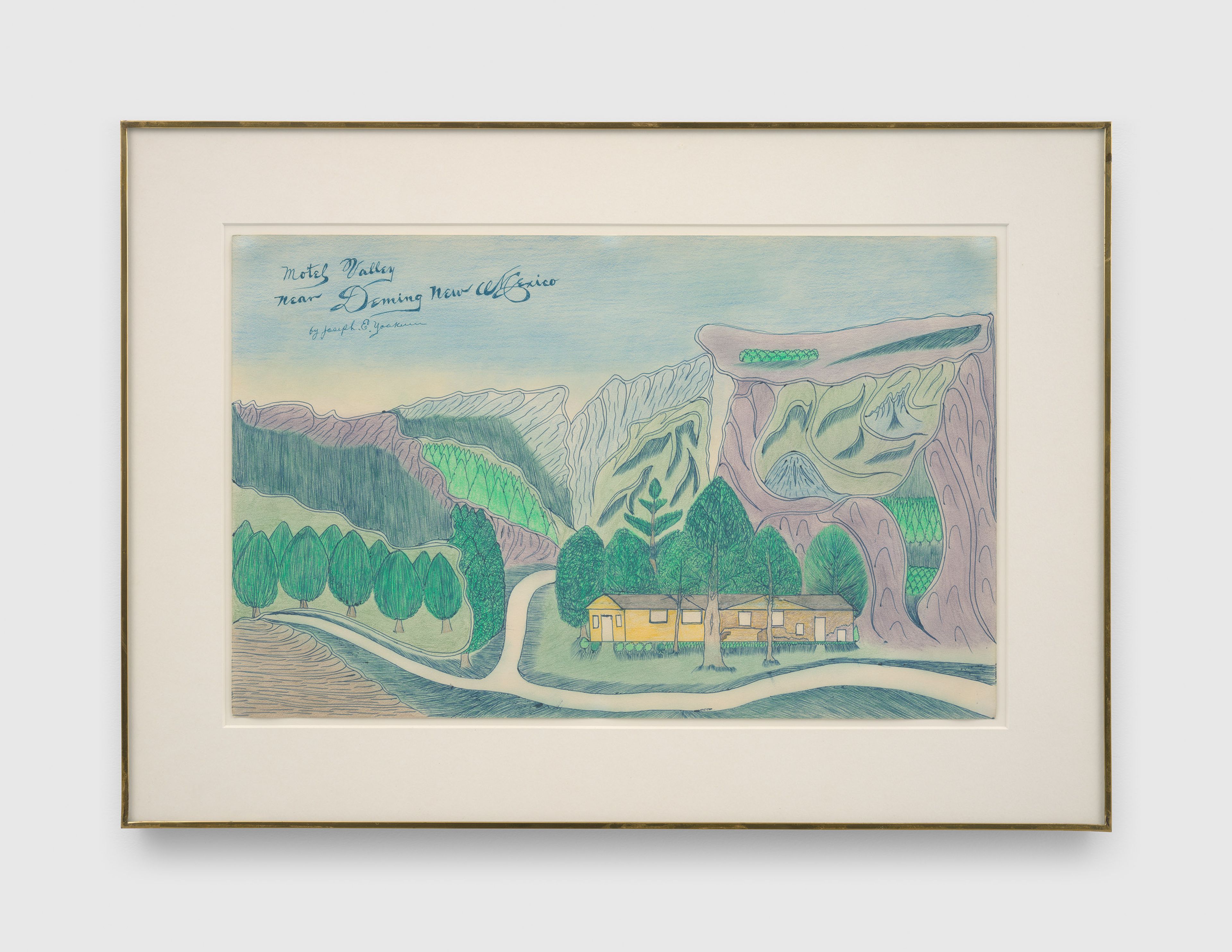
Joseph Yoakum
Milton Avery
Romare Bearden
Joan Brown
Roger Brown
Joe Coleman
Jean Dubuffet
Eric Fischl
Audrey Flack
David Gilhooly
Alex Katz
- Alice Neel
Fairfield Porter
Peter Saul
Bob Thompson
Andy Warhol
John Wesley
Tom Wesselmann
Joseph Yoakum
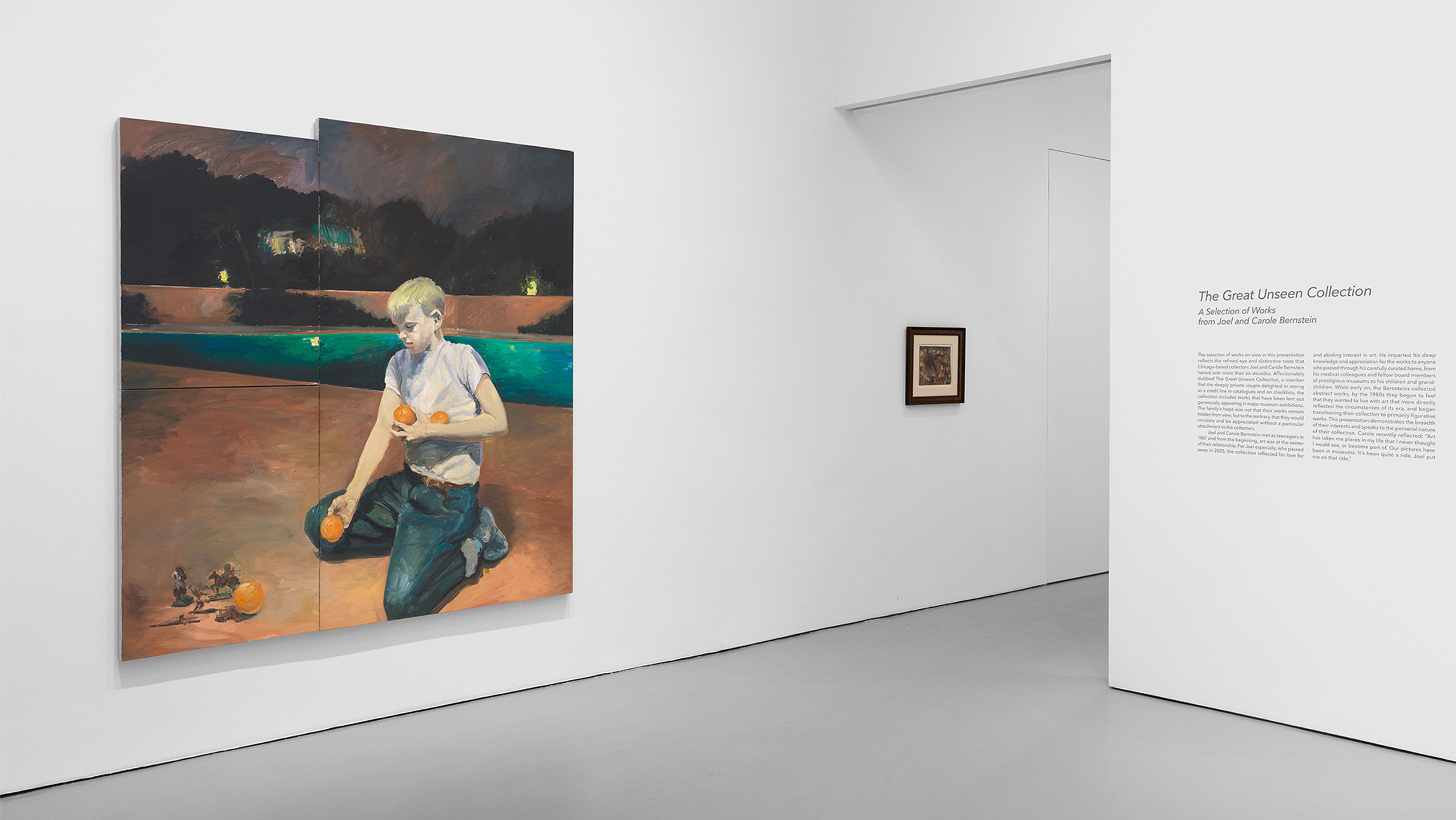
Installation view, The Great Unseen Collection: A Selection of Works from Joel and Carole Bernstein, David Zwirner New York, 2026
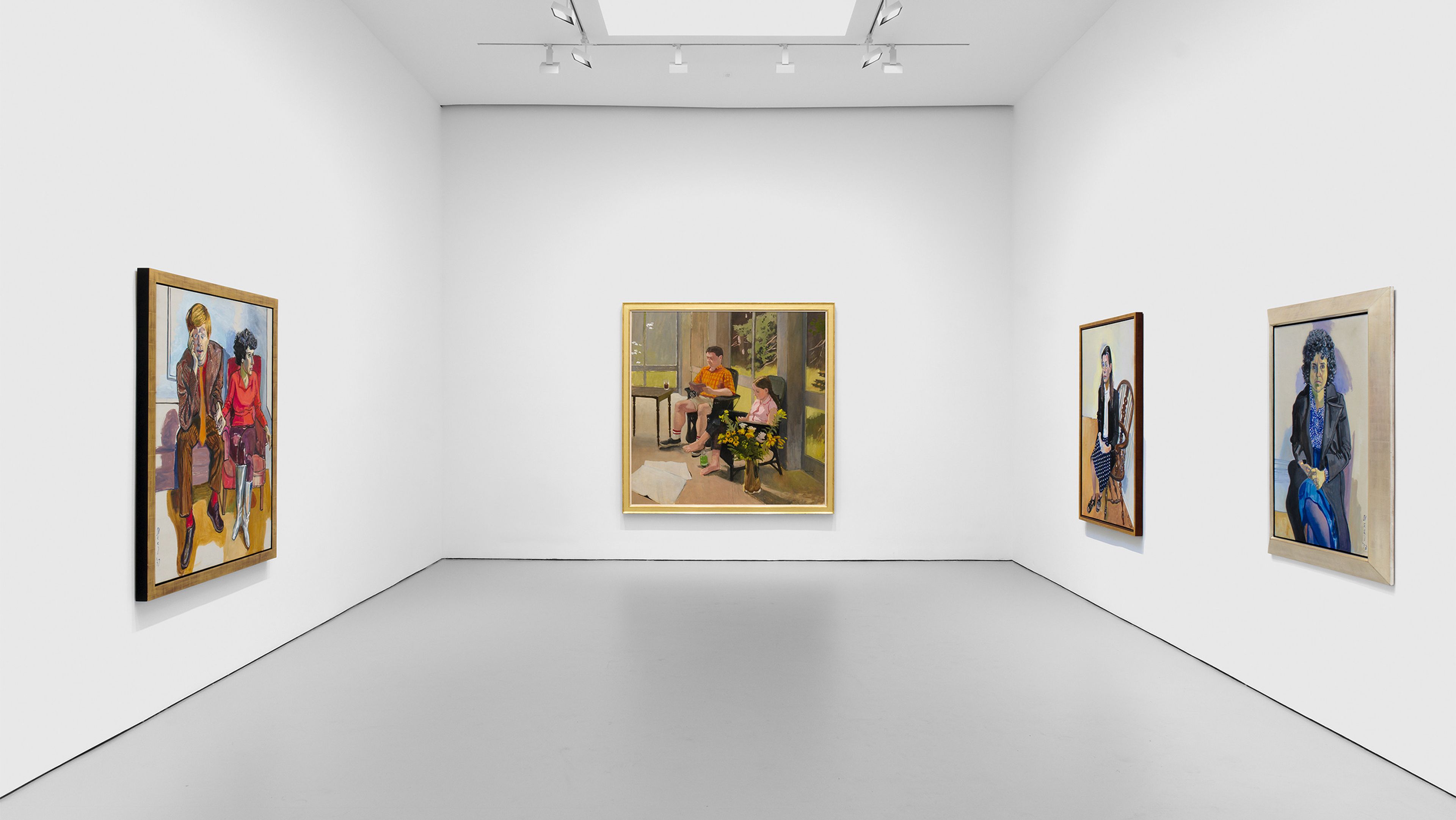
Installation view, The Great Unseen Collection: A Selection of Works from Joel and Carole Bernstein, David Zwirner New York, 2026
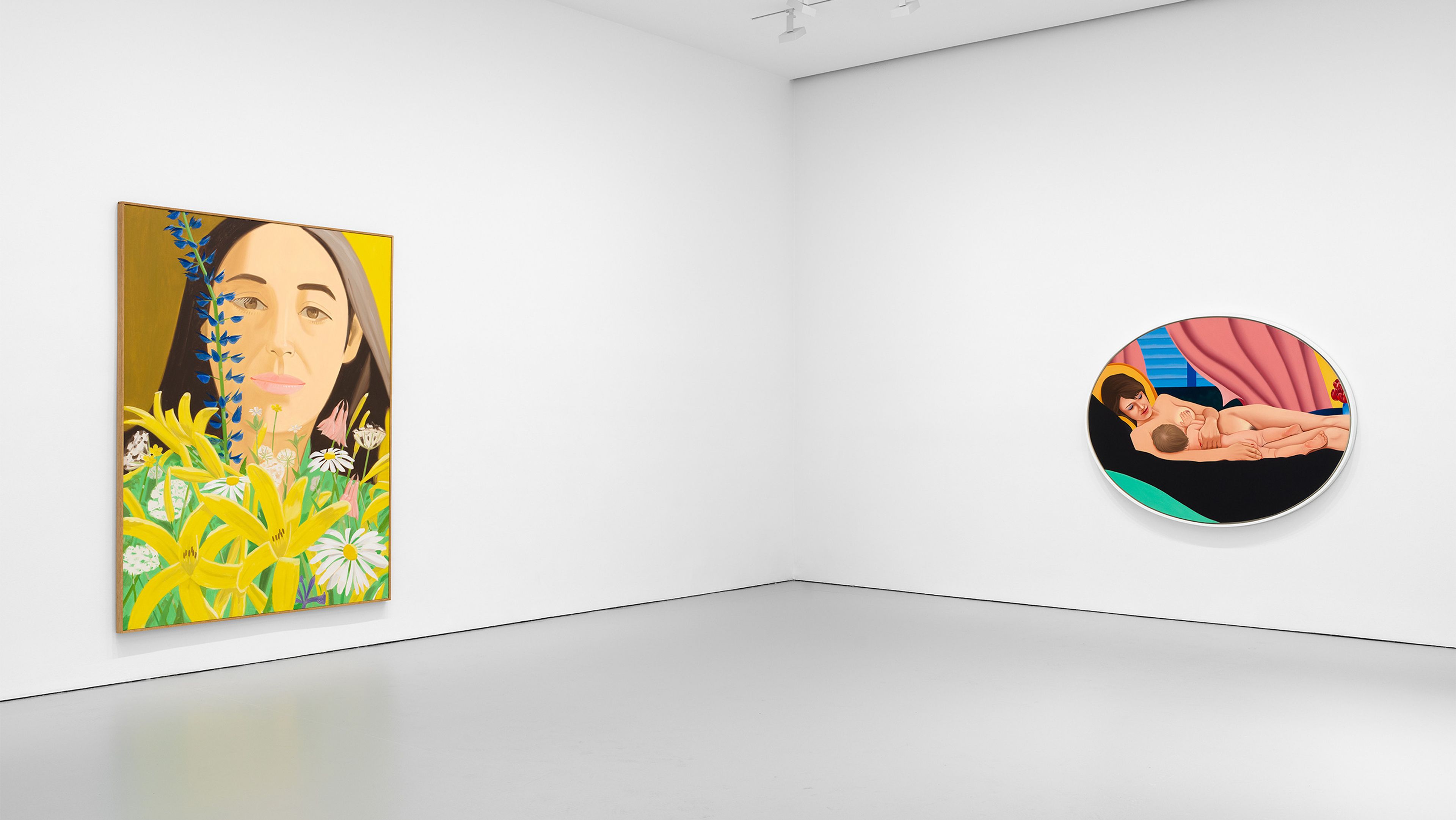
Installation view, The Great Unseen Collection: A Selection of Works from Joel and Carole Bernstein, David Zwirner New York, 2026
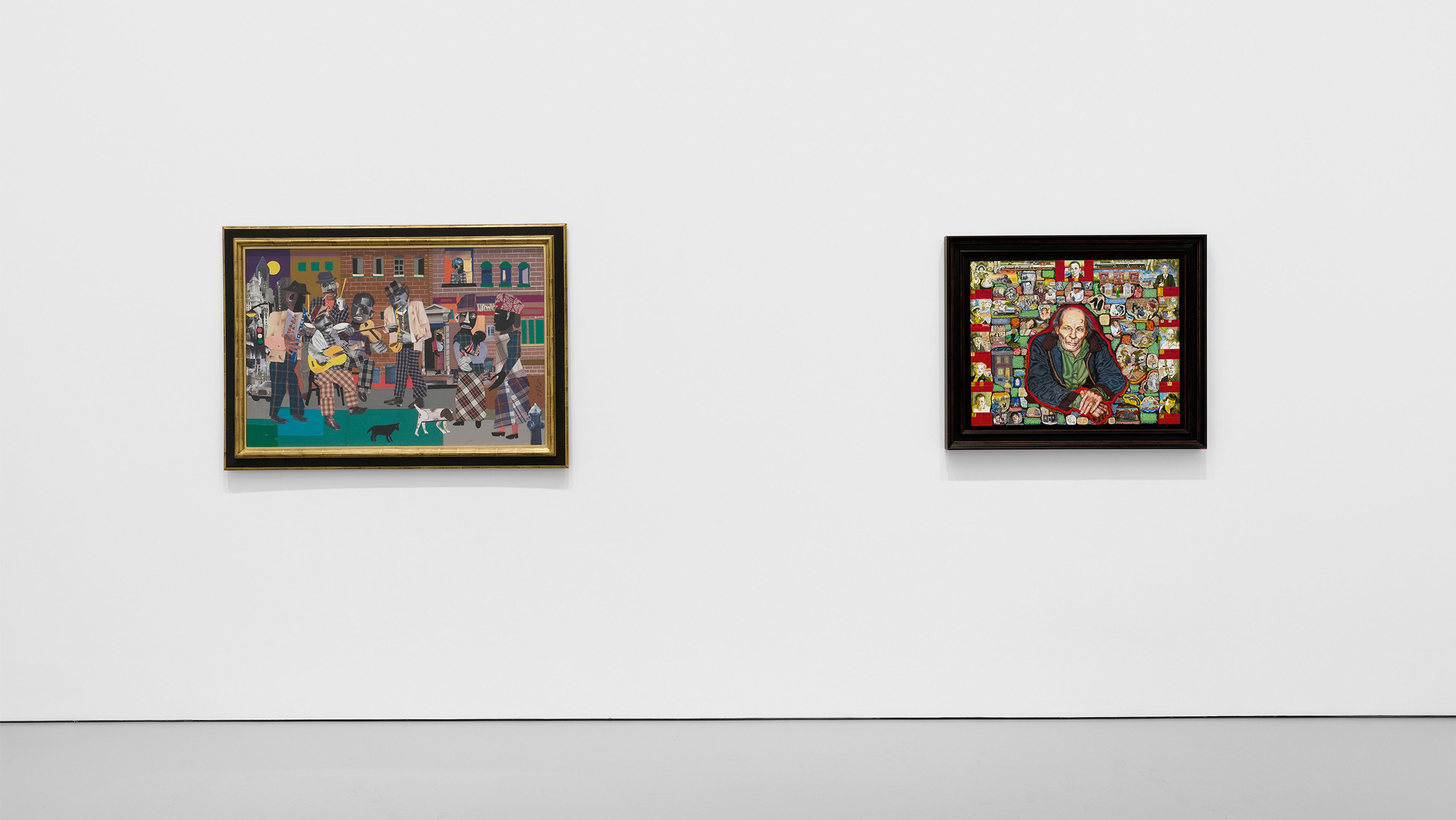
Installation view, The Great Unseen Collection: A Selection of Works from Joel and Carole Bernstein, David Zwirner New York, 2026
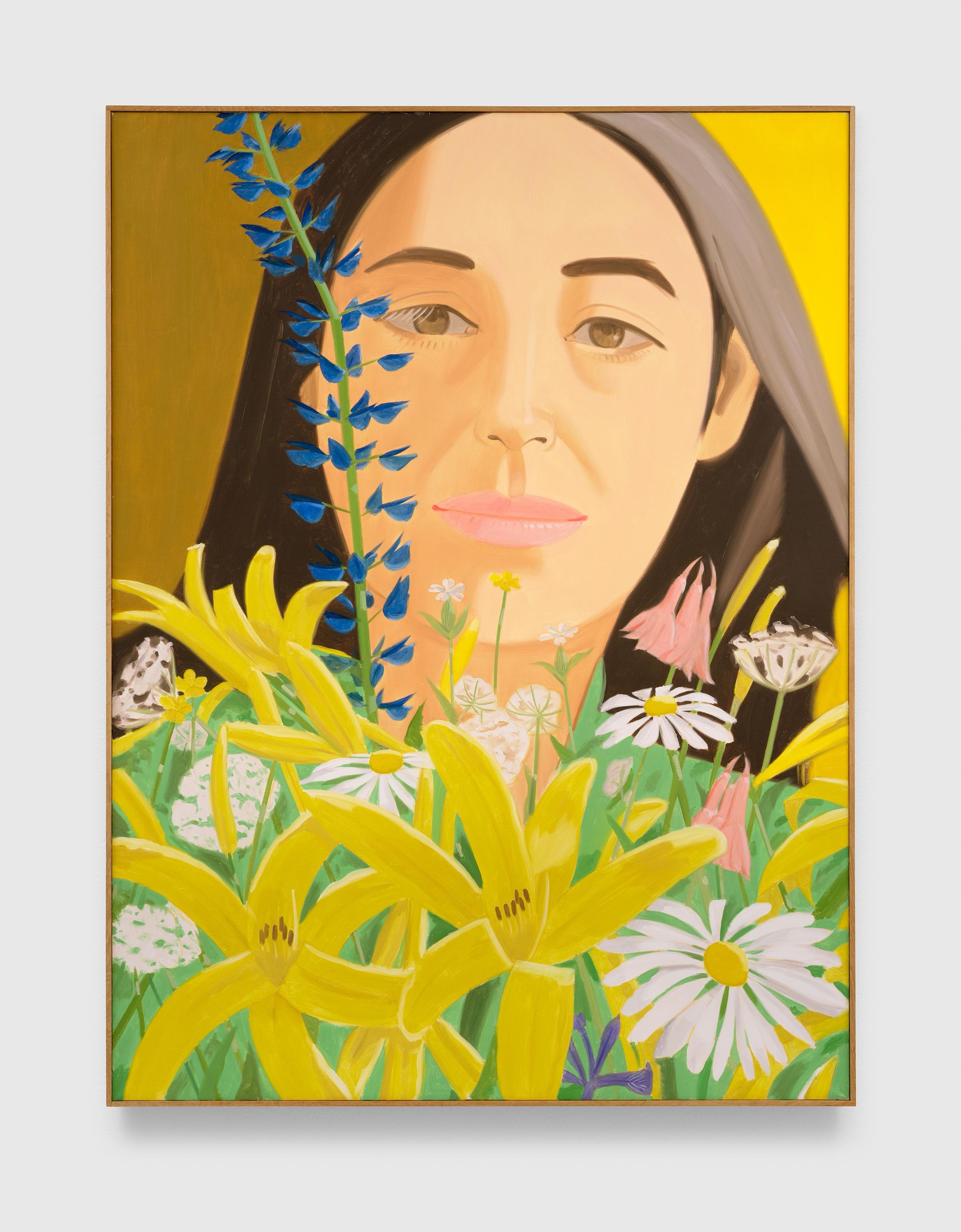
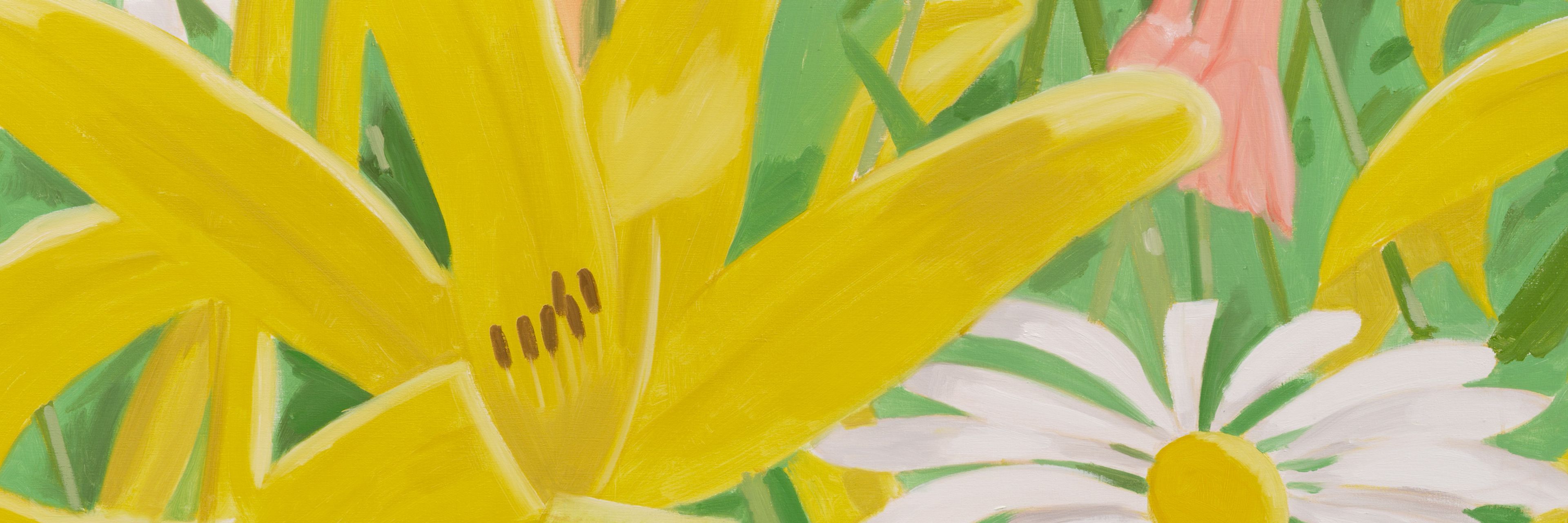
Explore Alex Katz’s Ada and Flowers, 1980
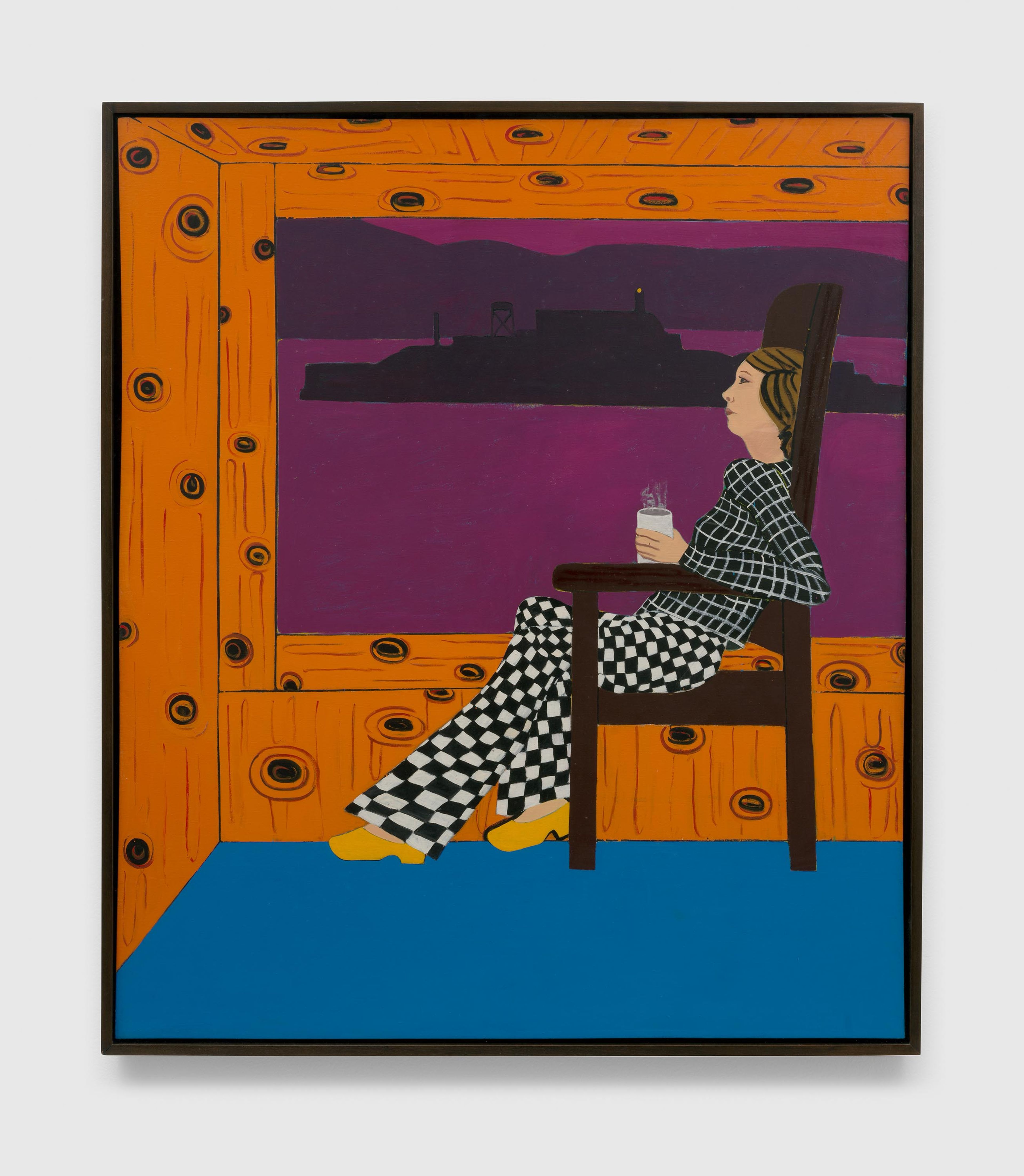
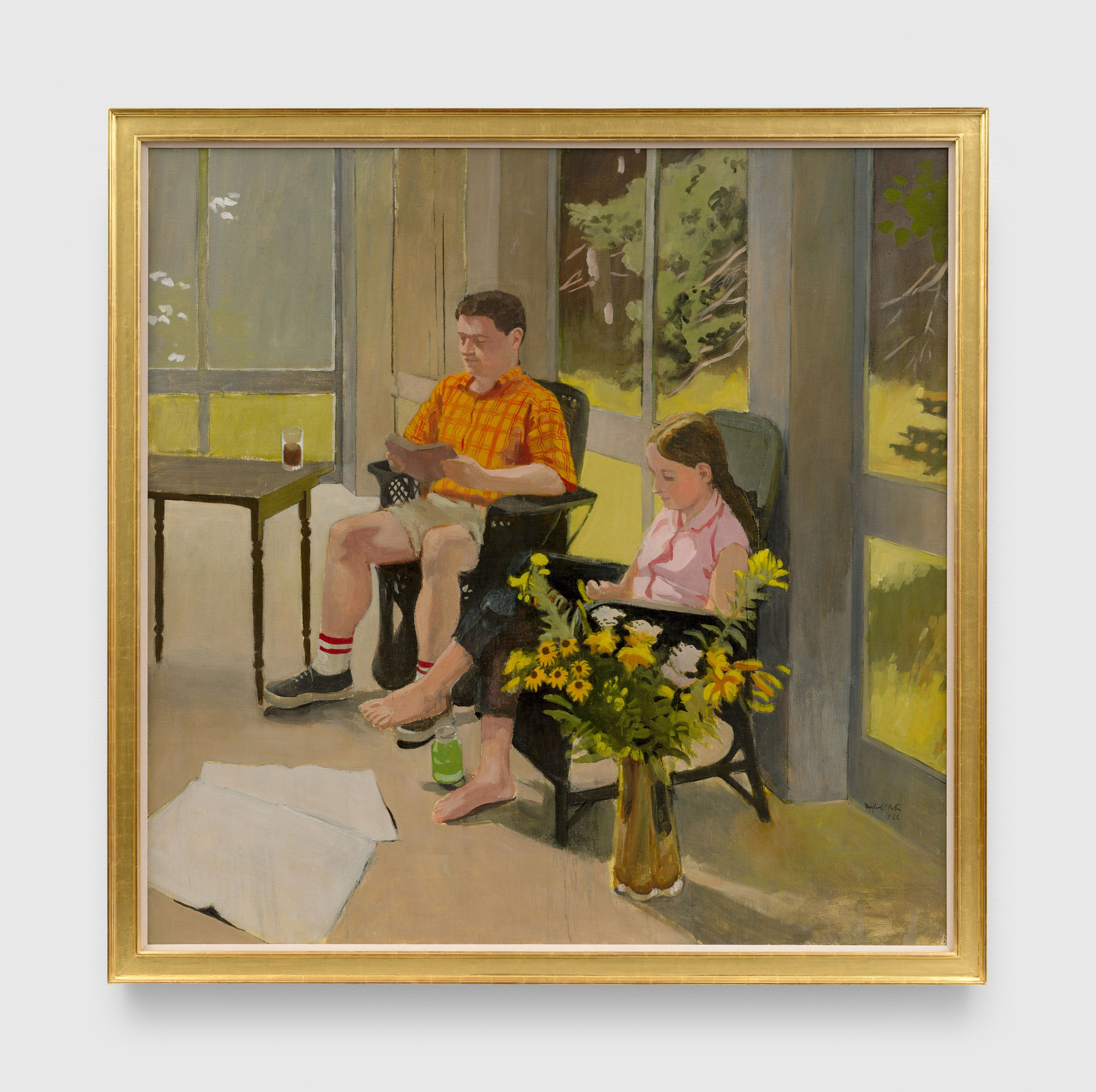
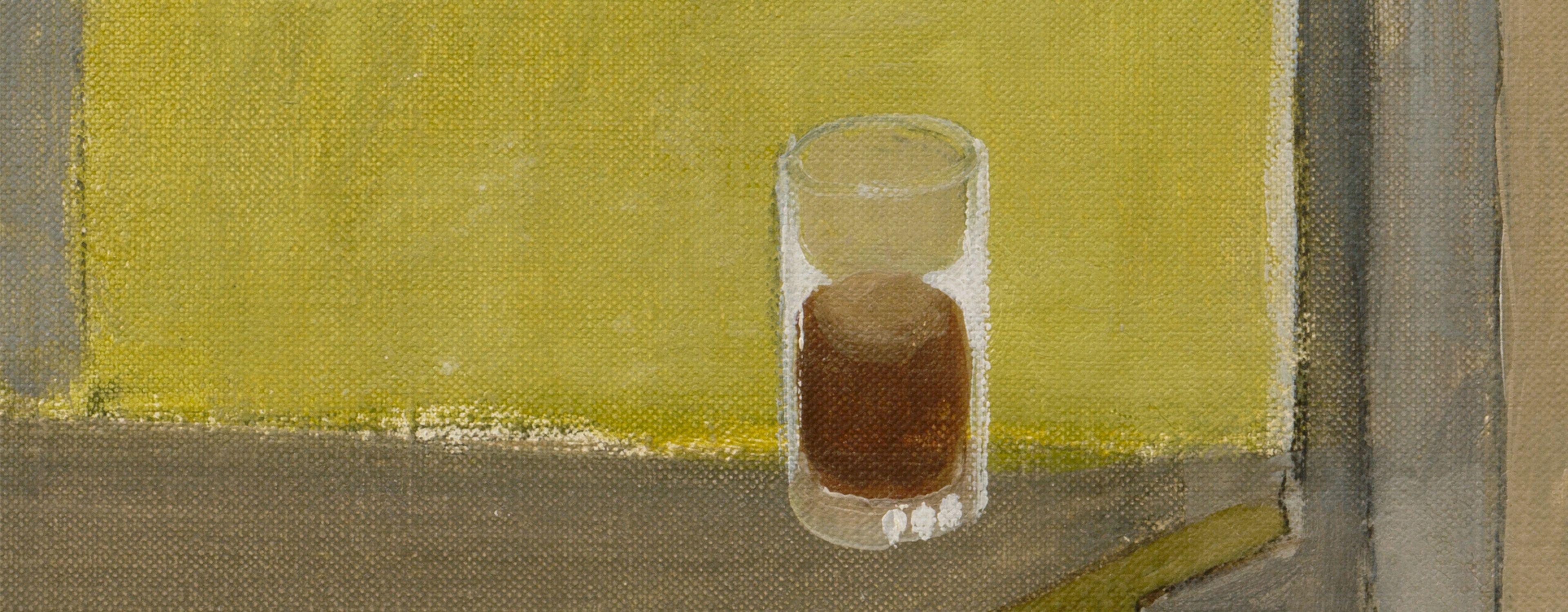
Explore Fairfield Porter’s Iced Coffee, 1966
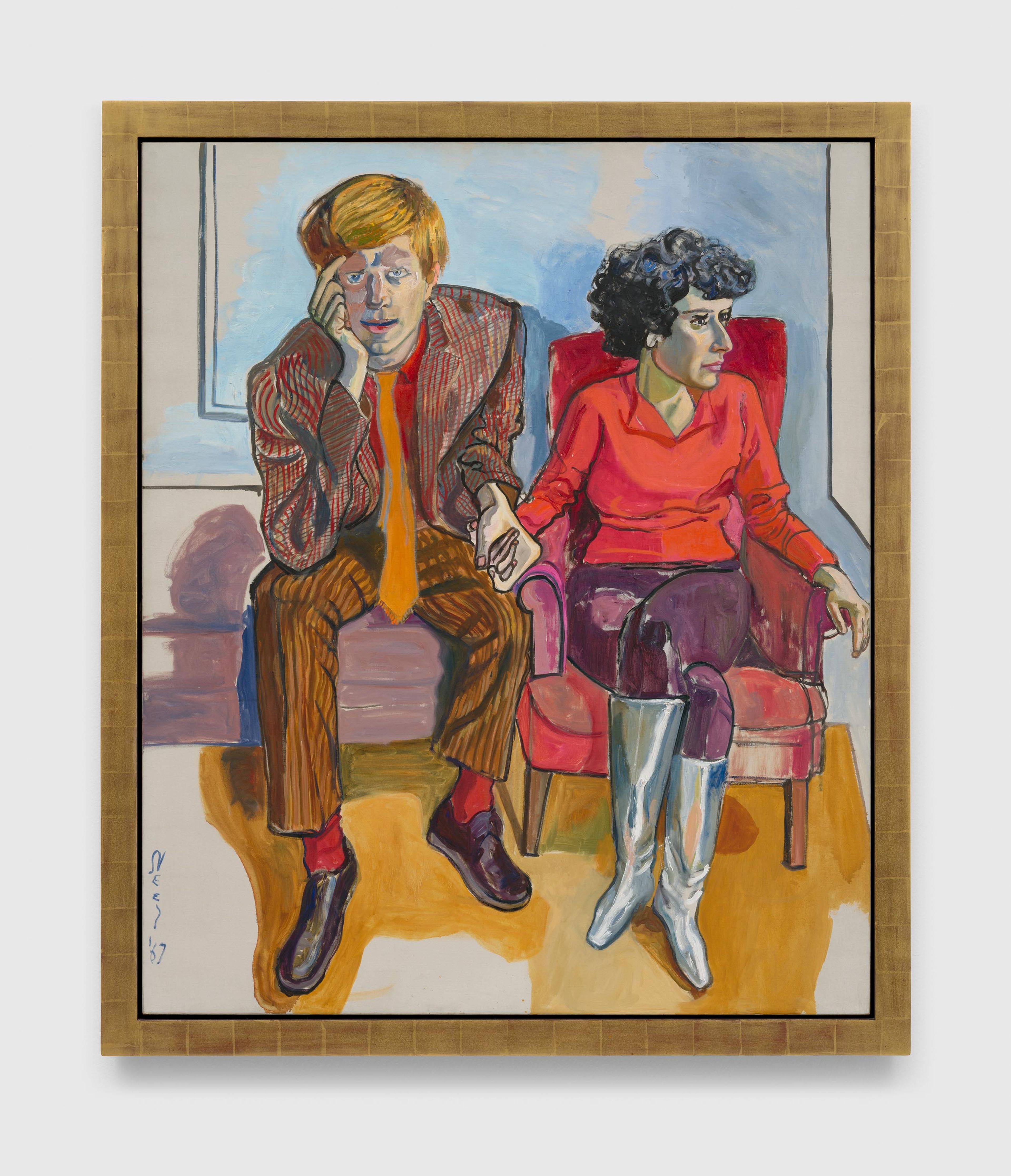
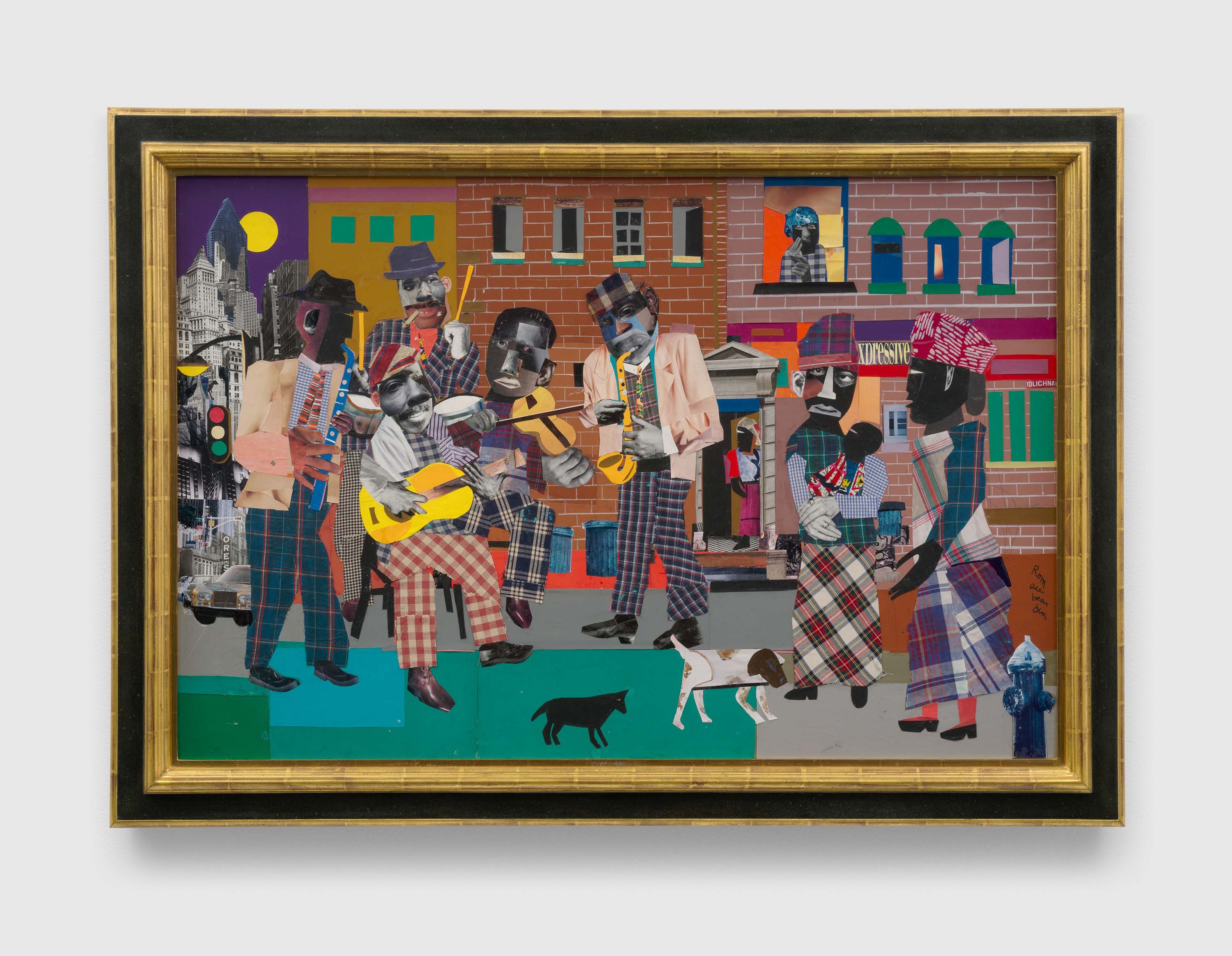
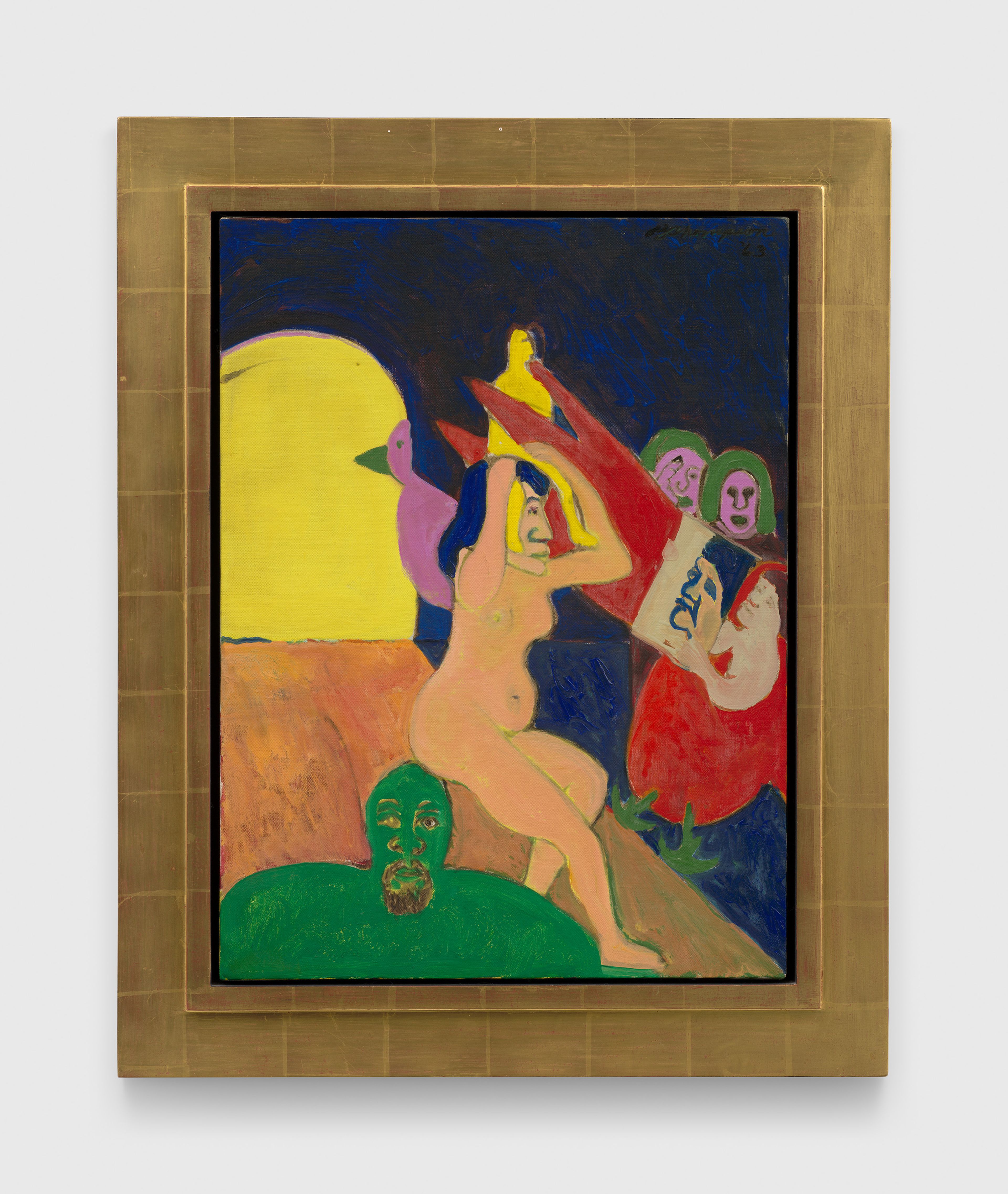
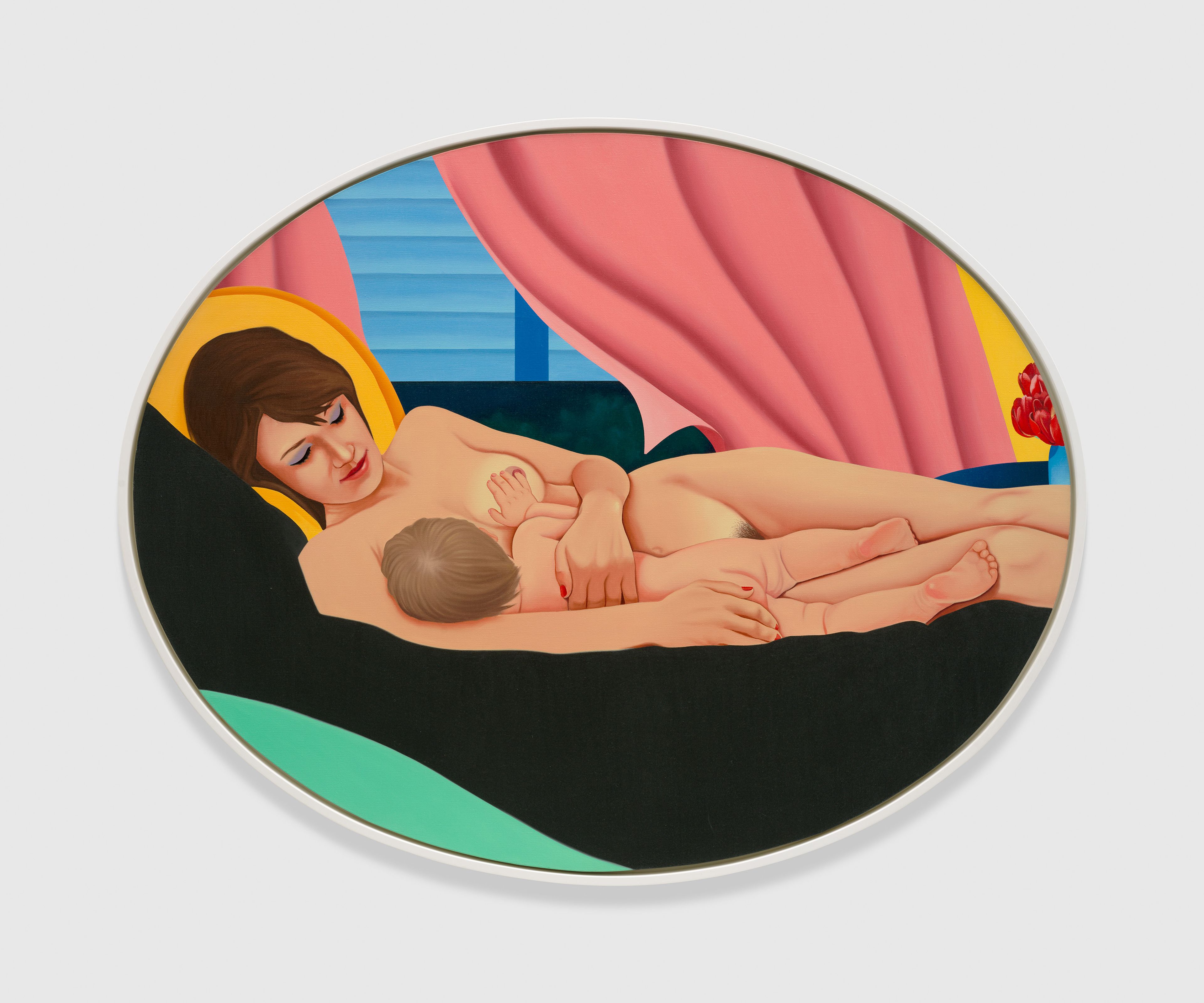
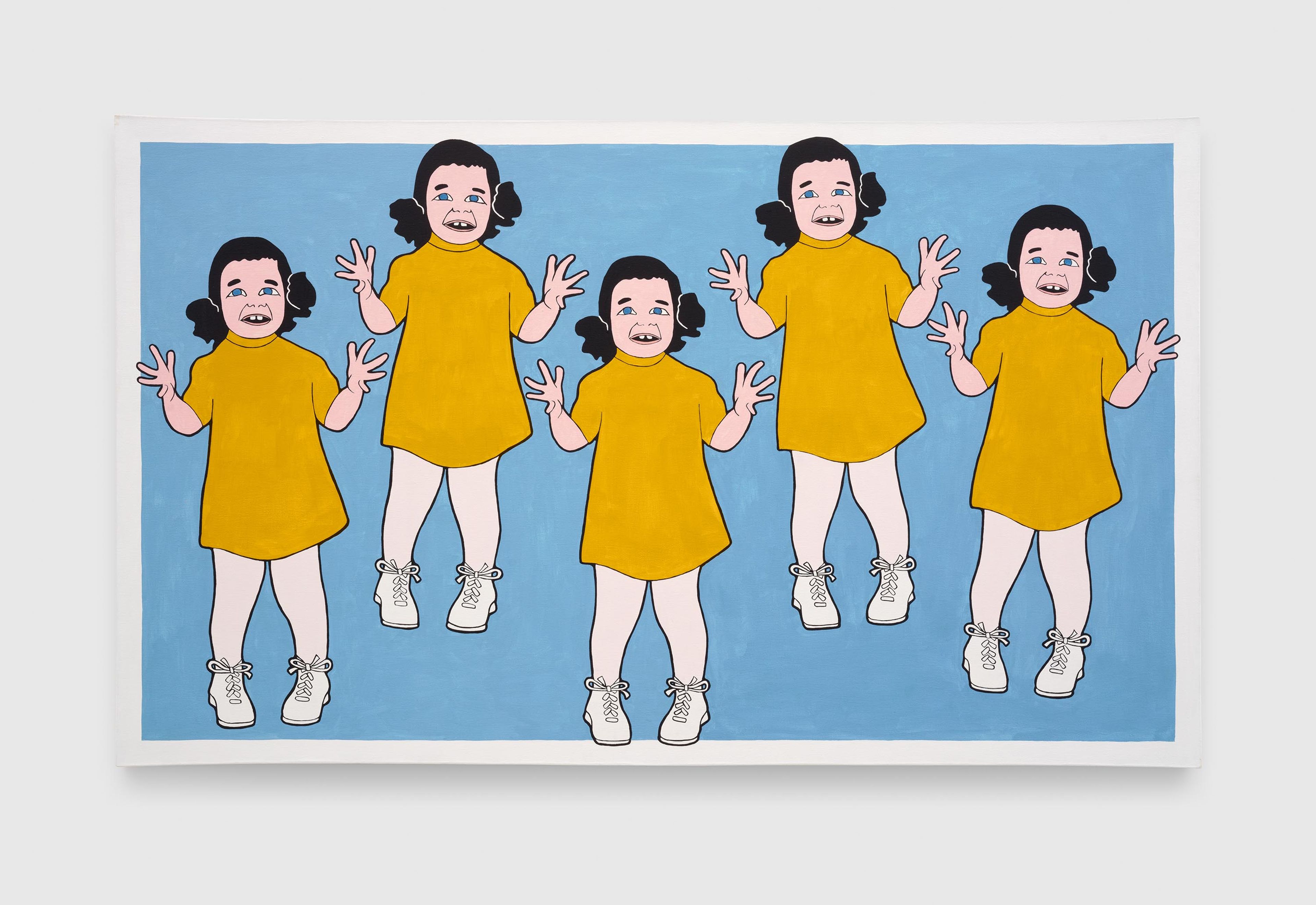
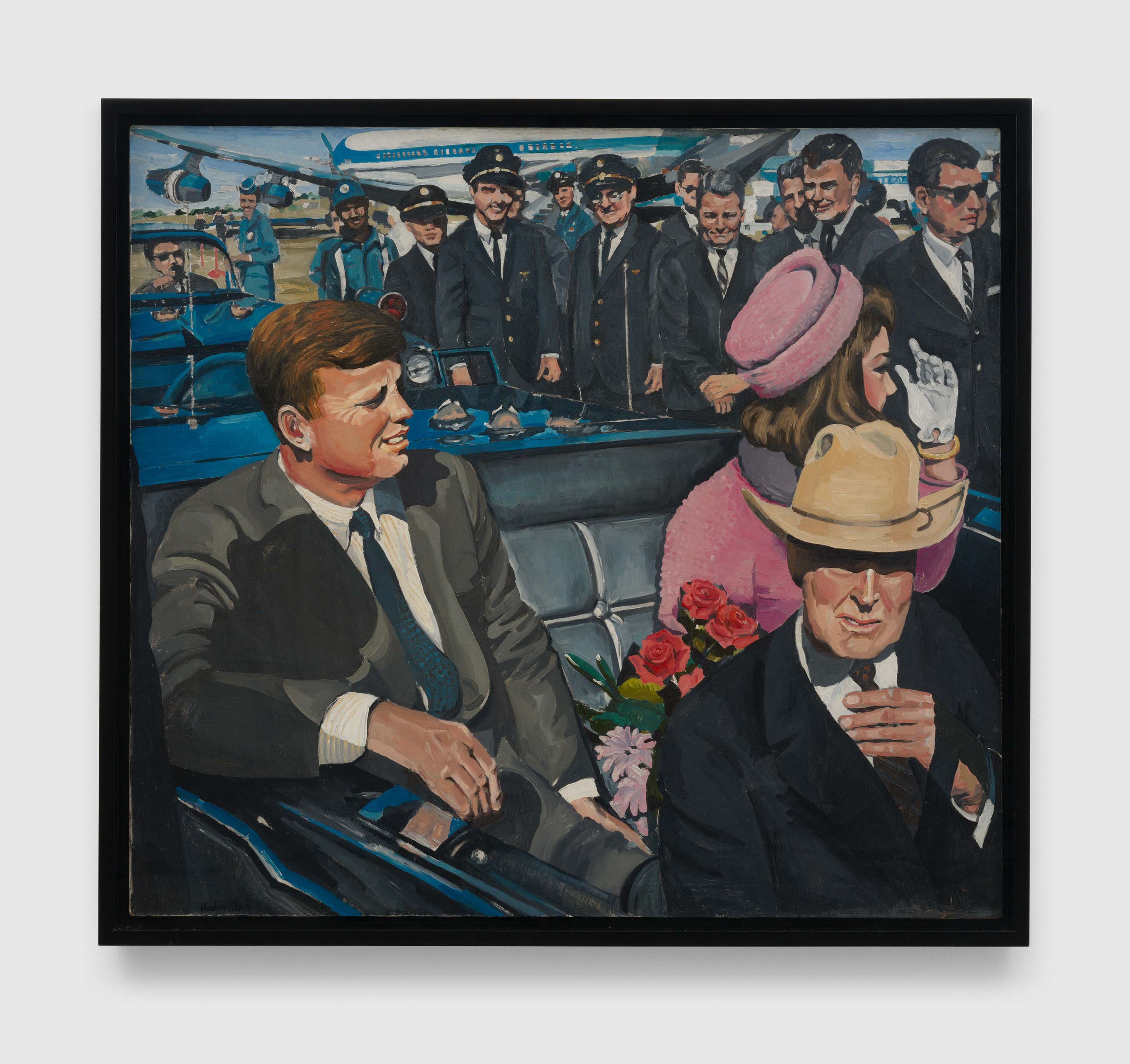
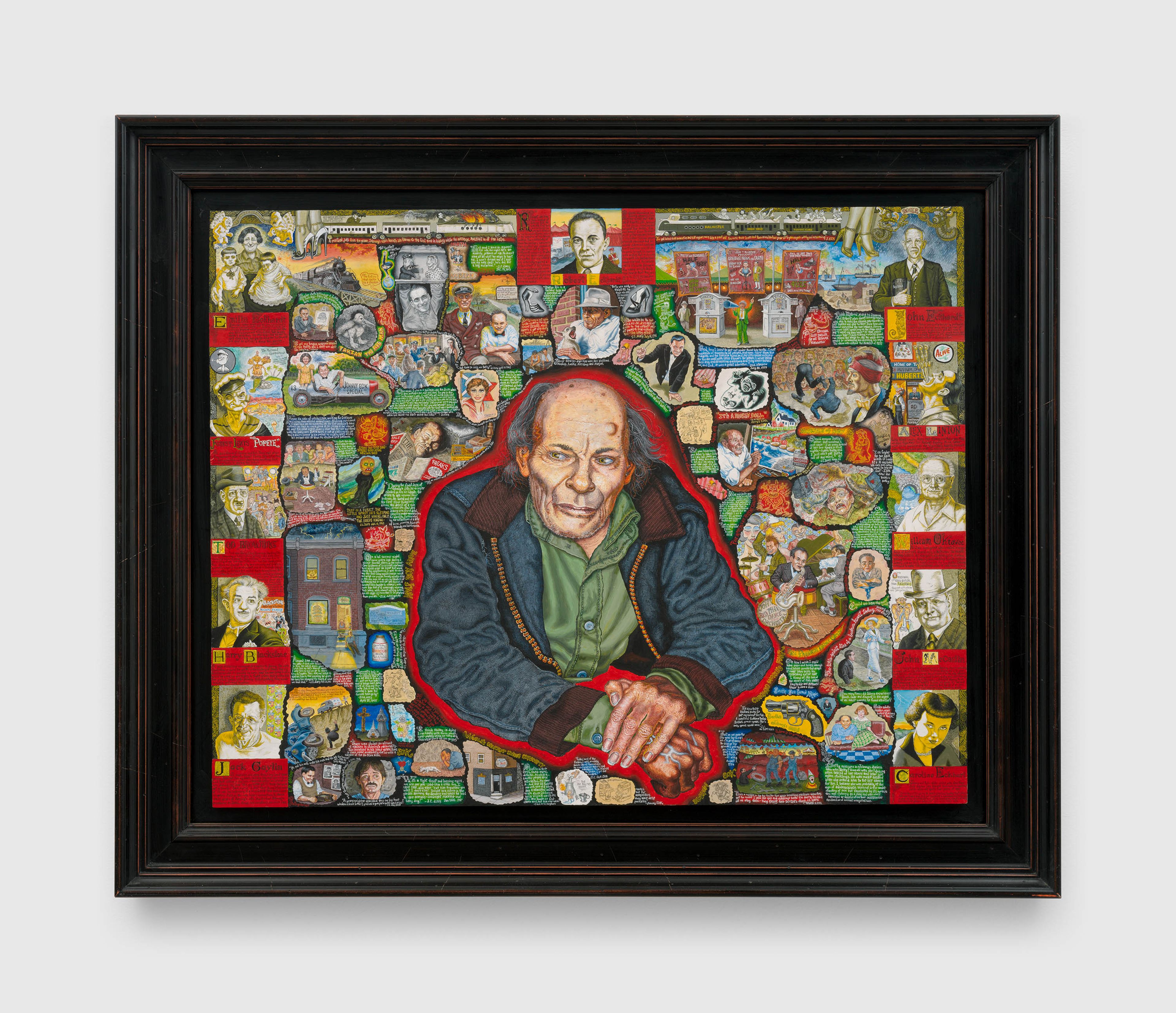
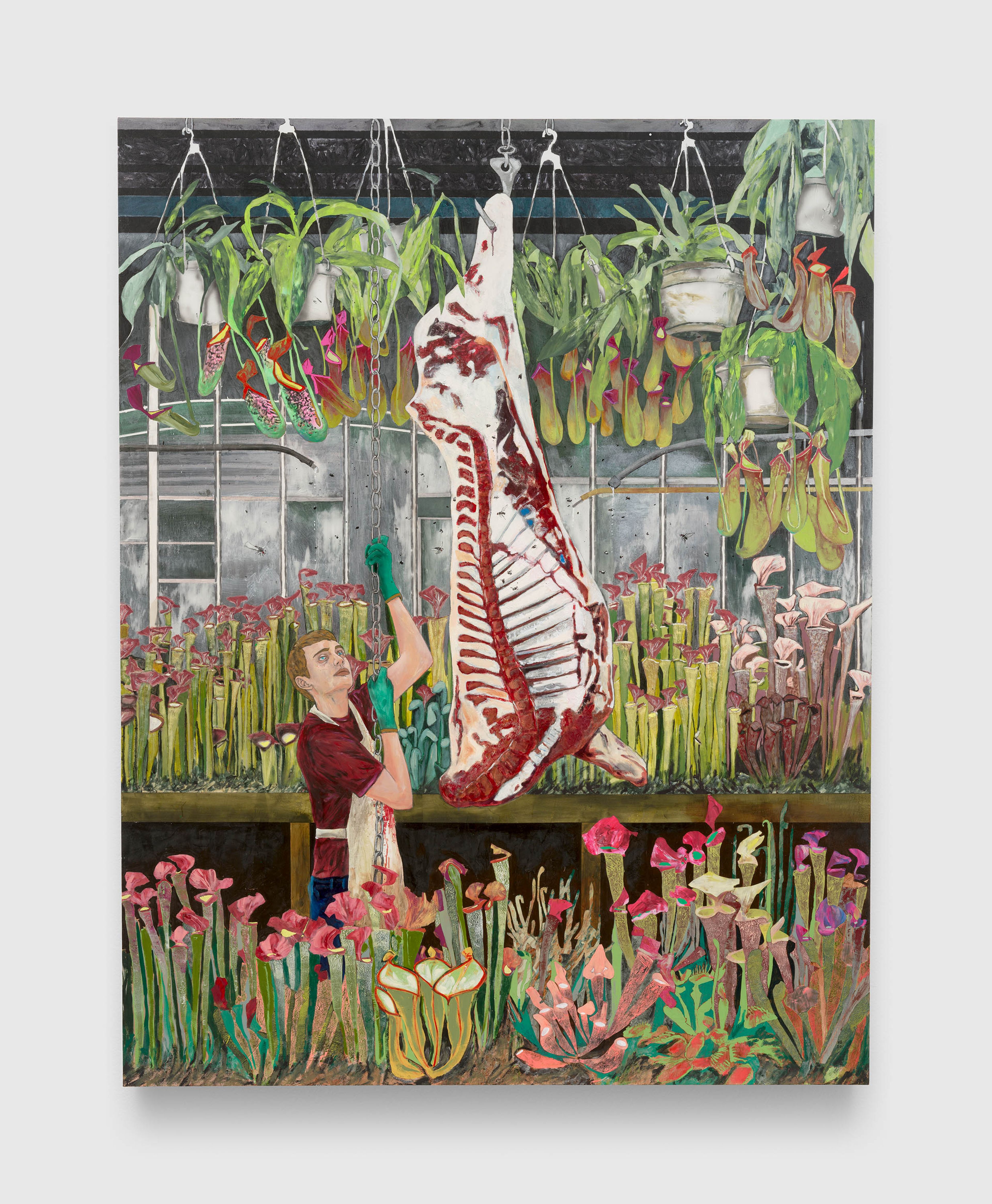
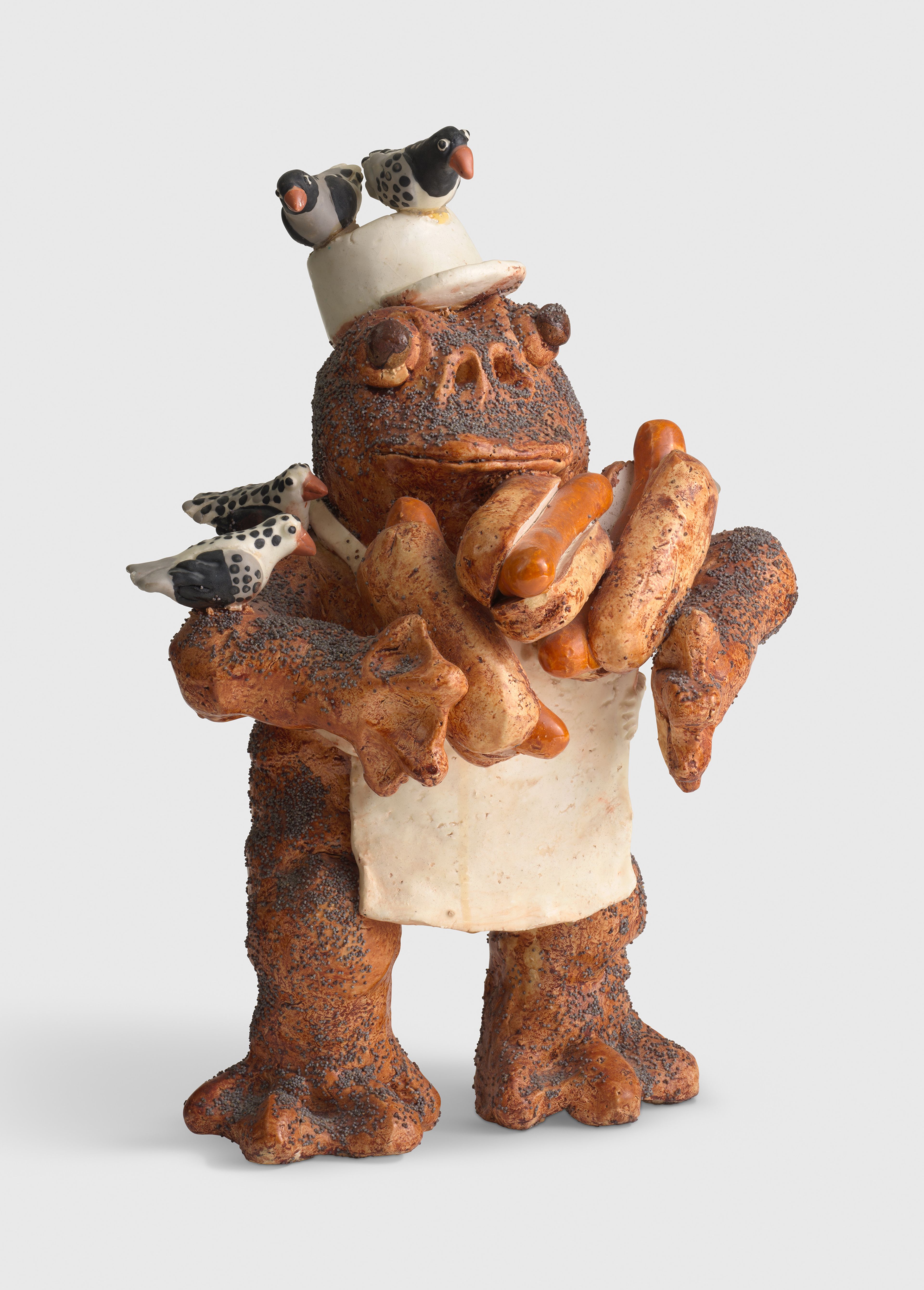
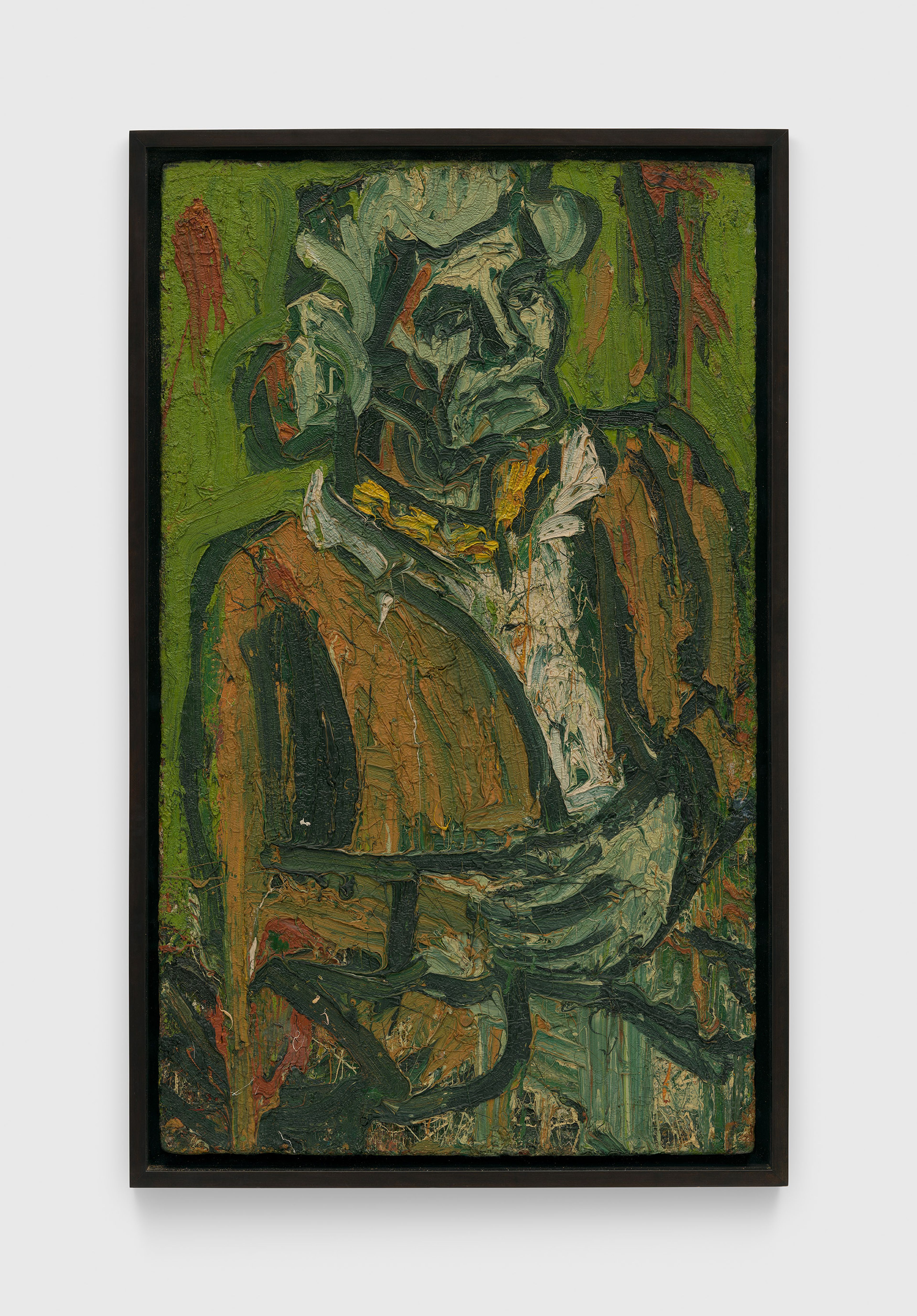
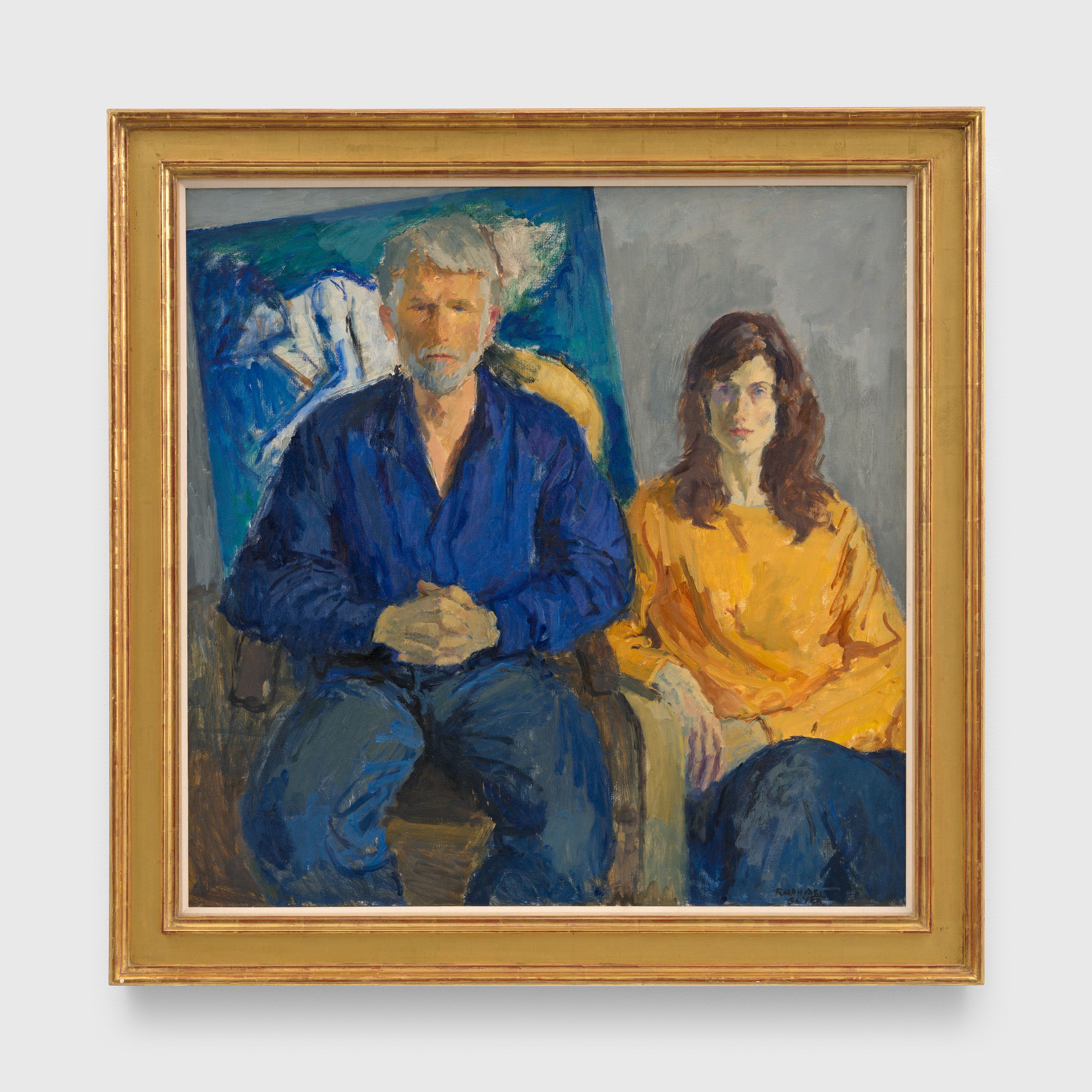
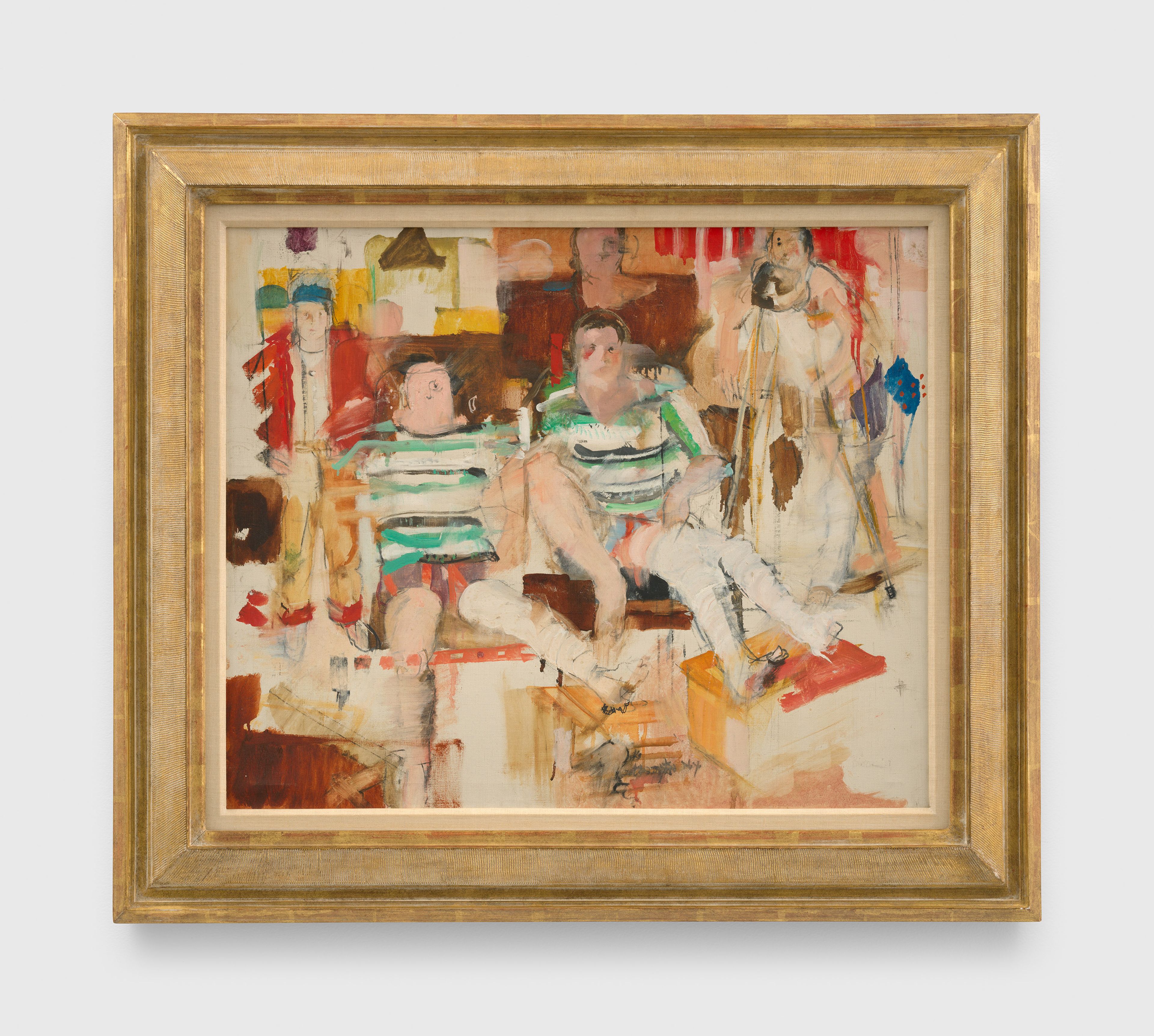
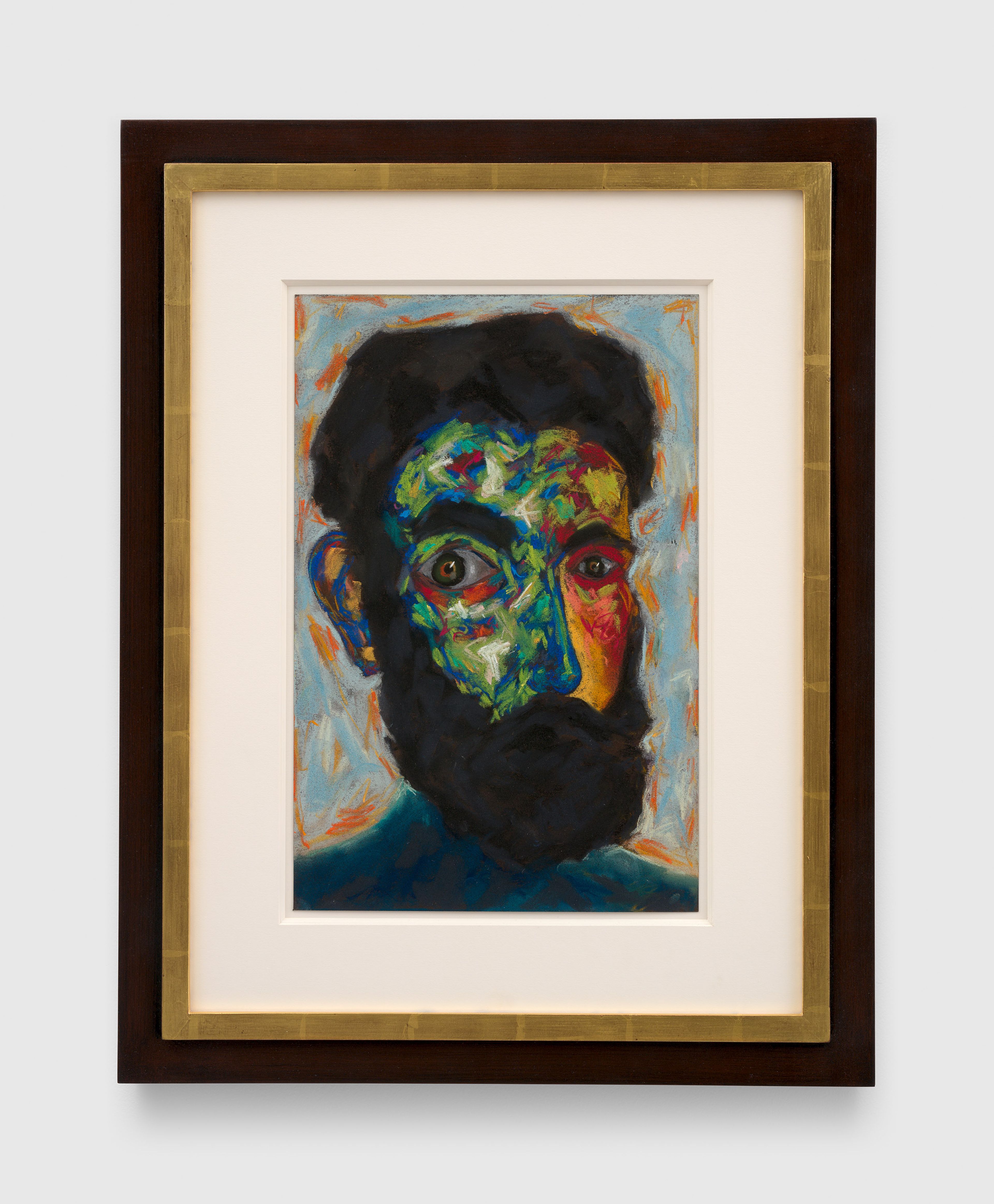
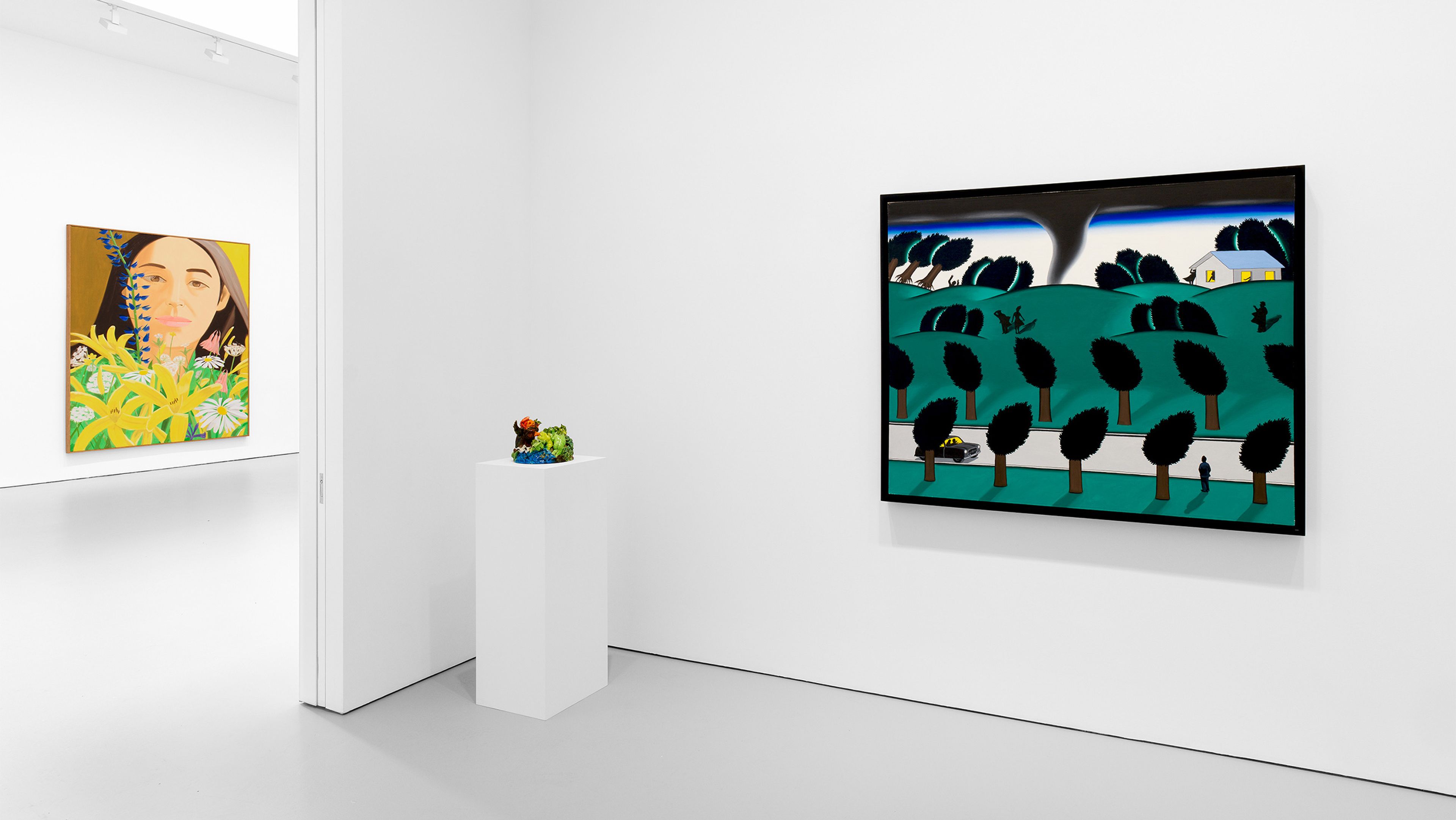
Installation view, The Great Unseen Collection: A Selection of Works from Joel and Carole Bernstein, David Zwirner New York, 2026

Inquire on works in The Great Unseen Collection